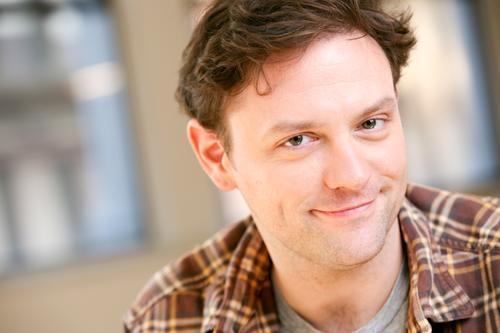
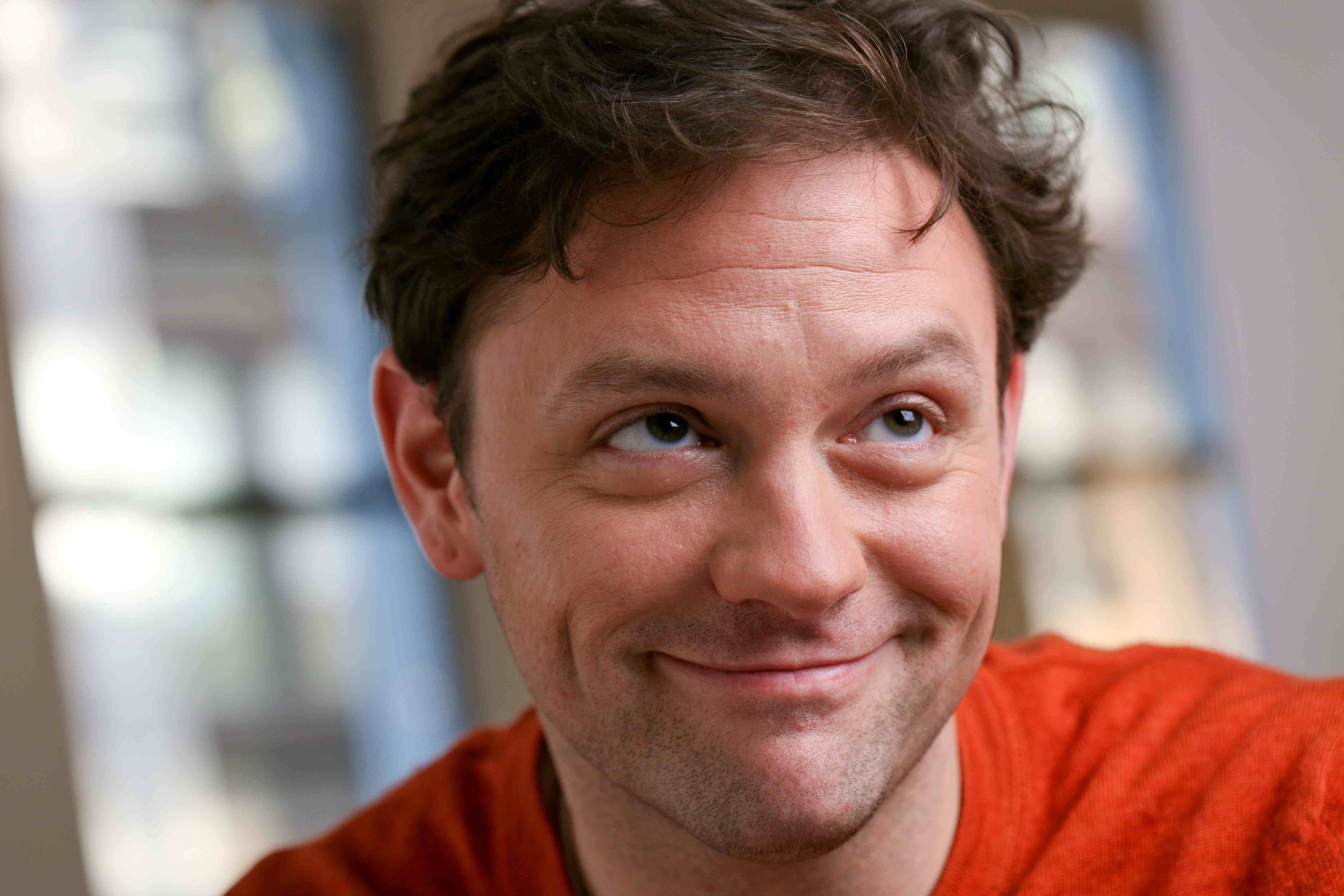
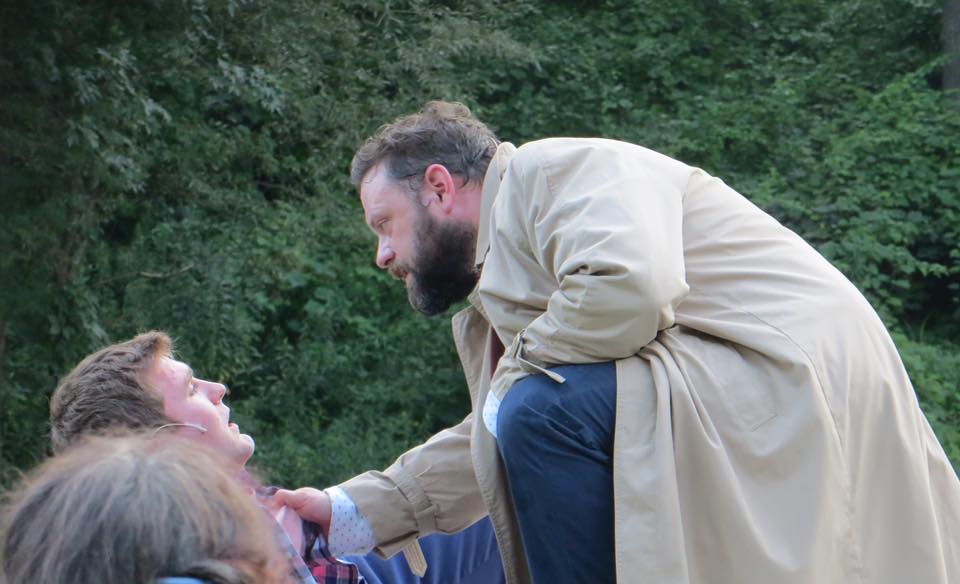
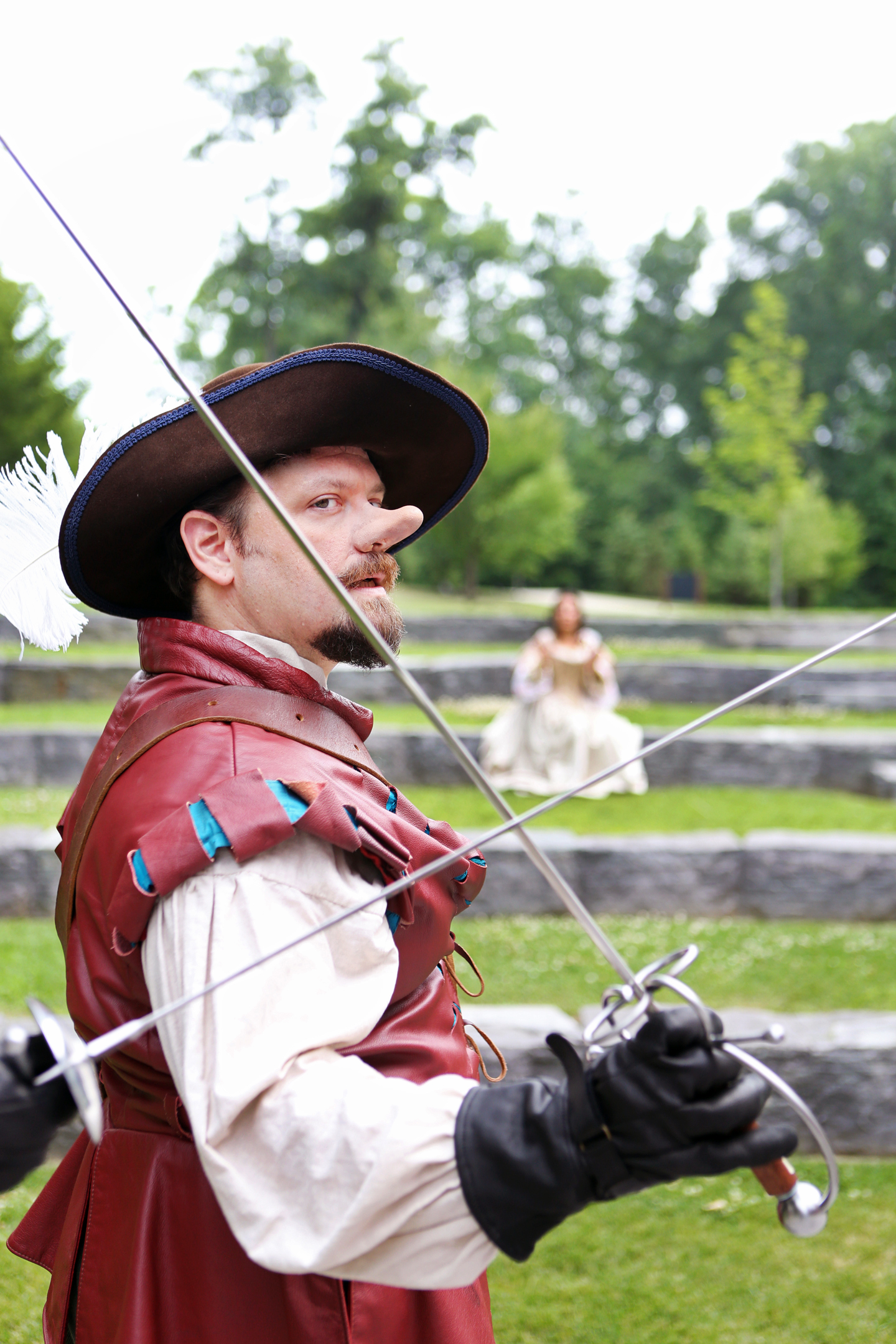
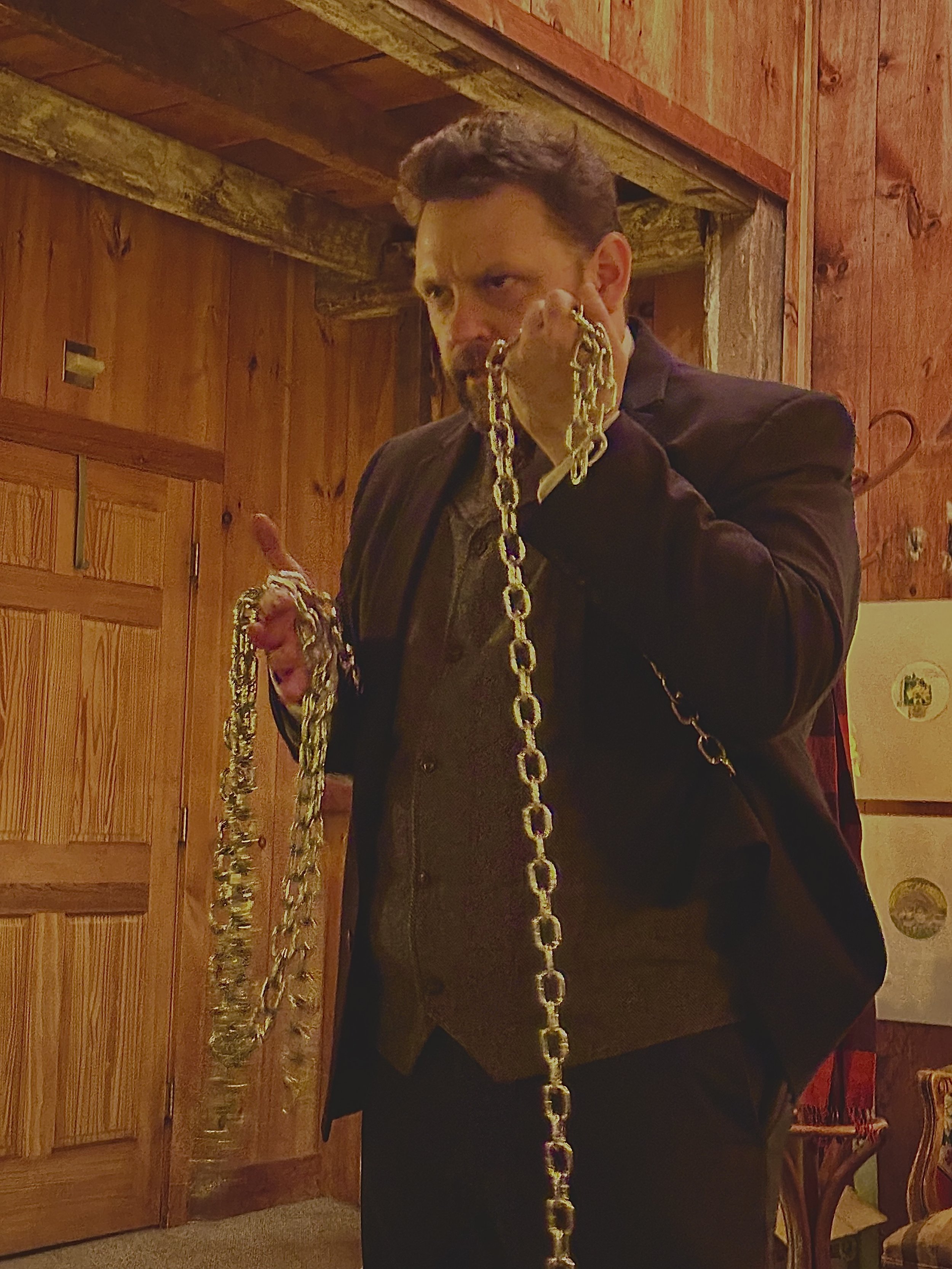
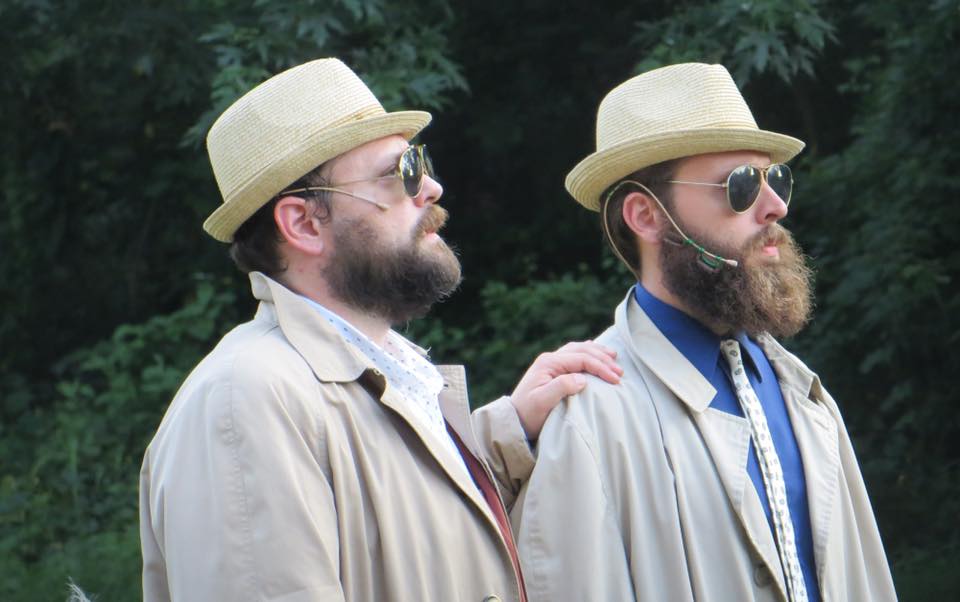
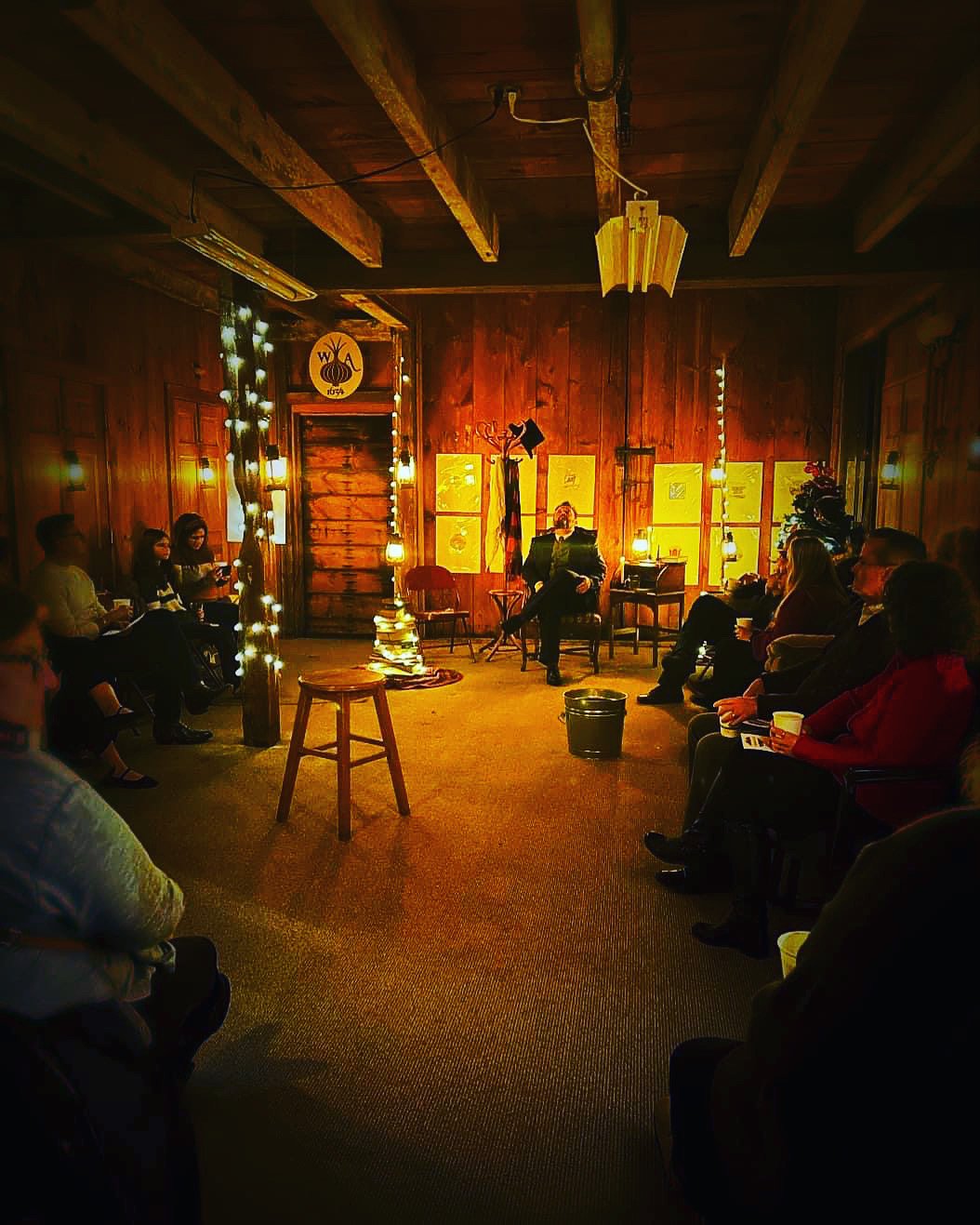
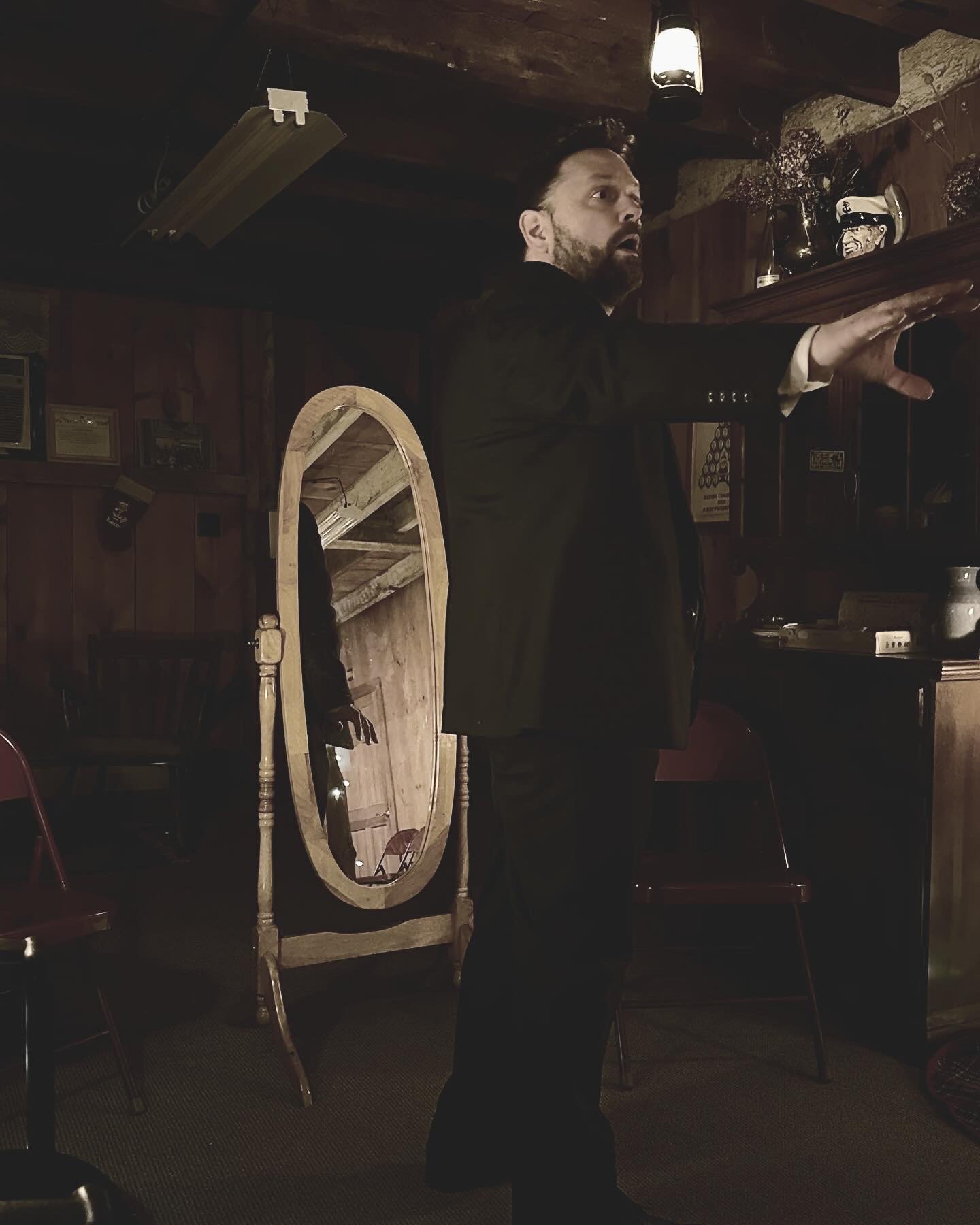
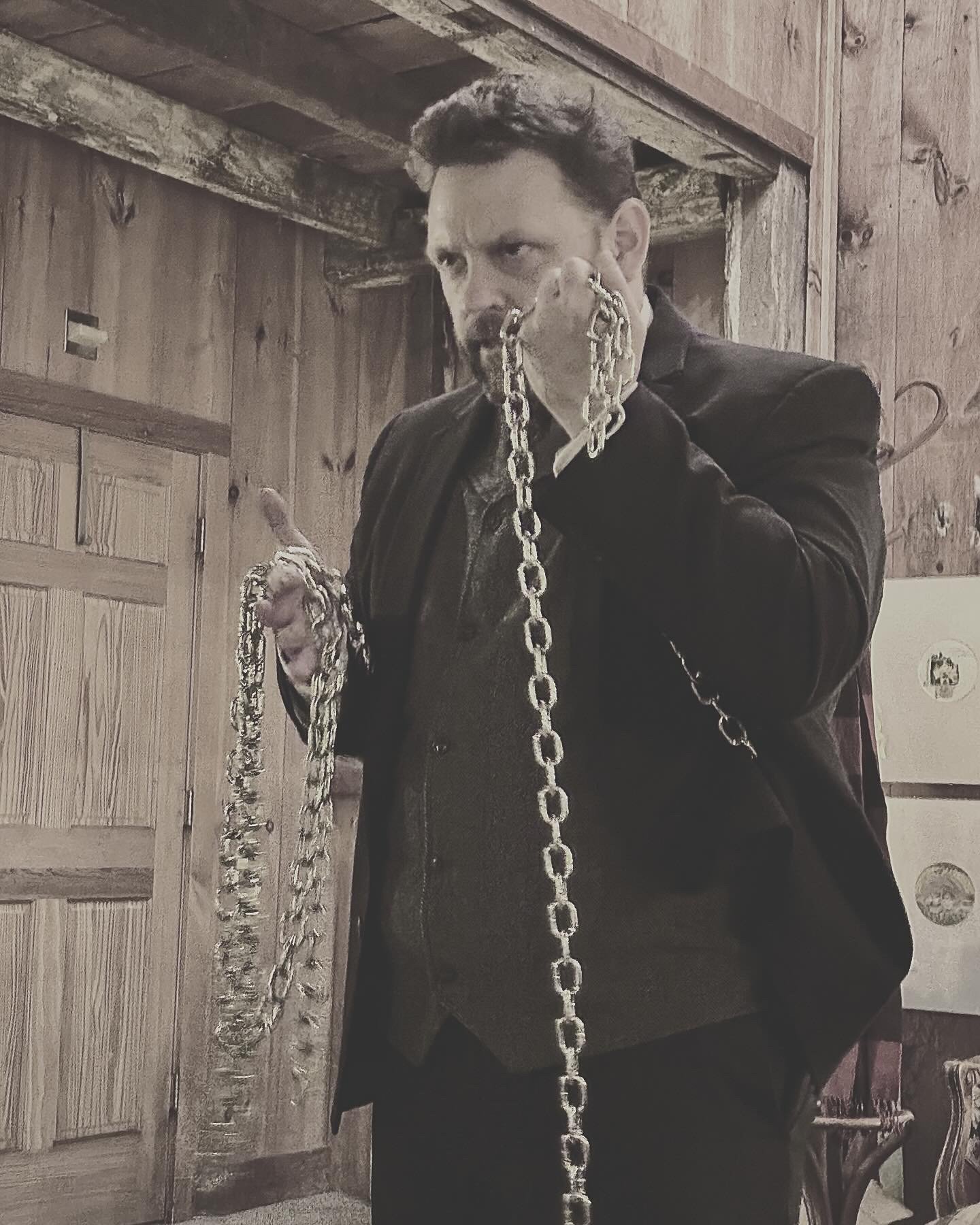
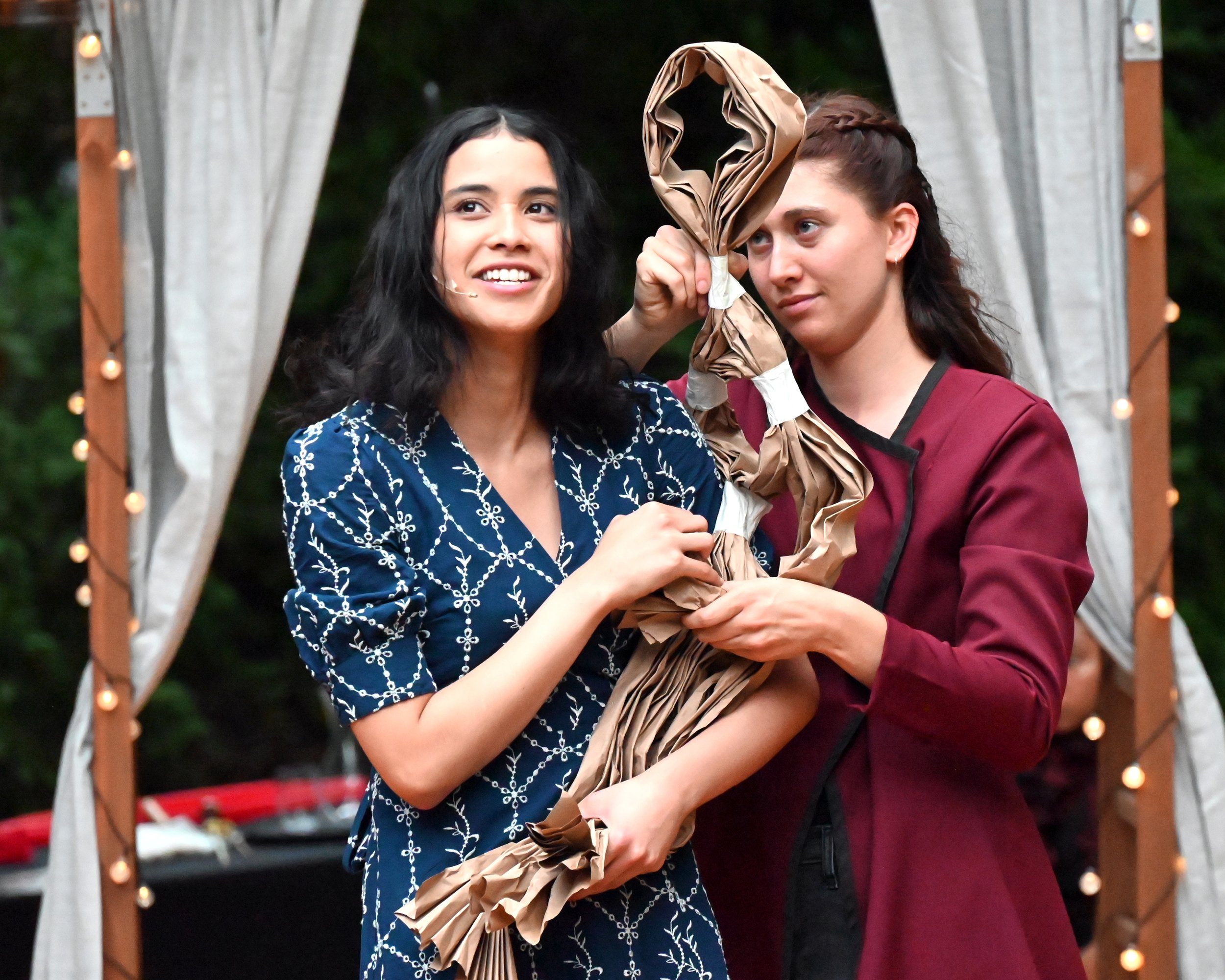
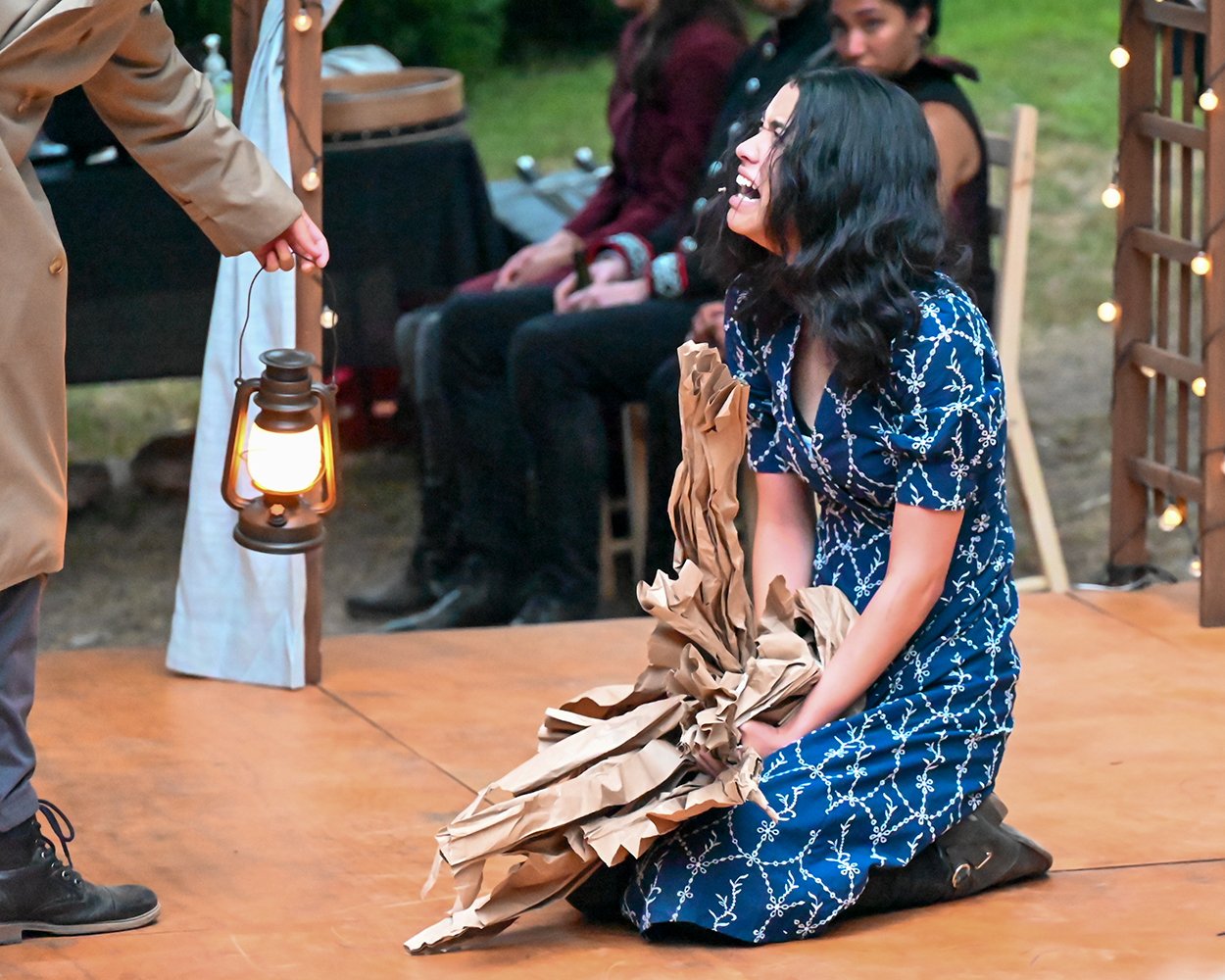
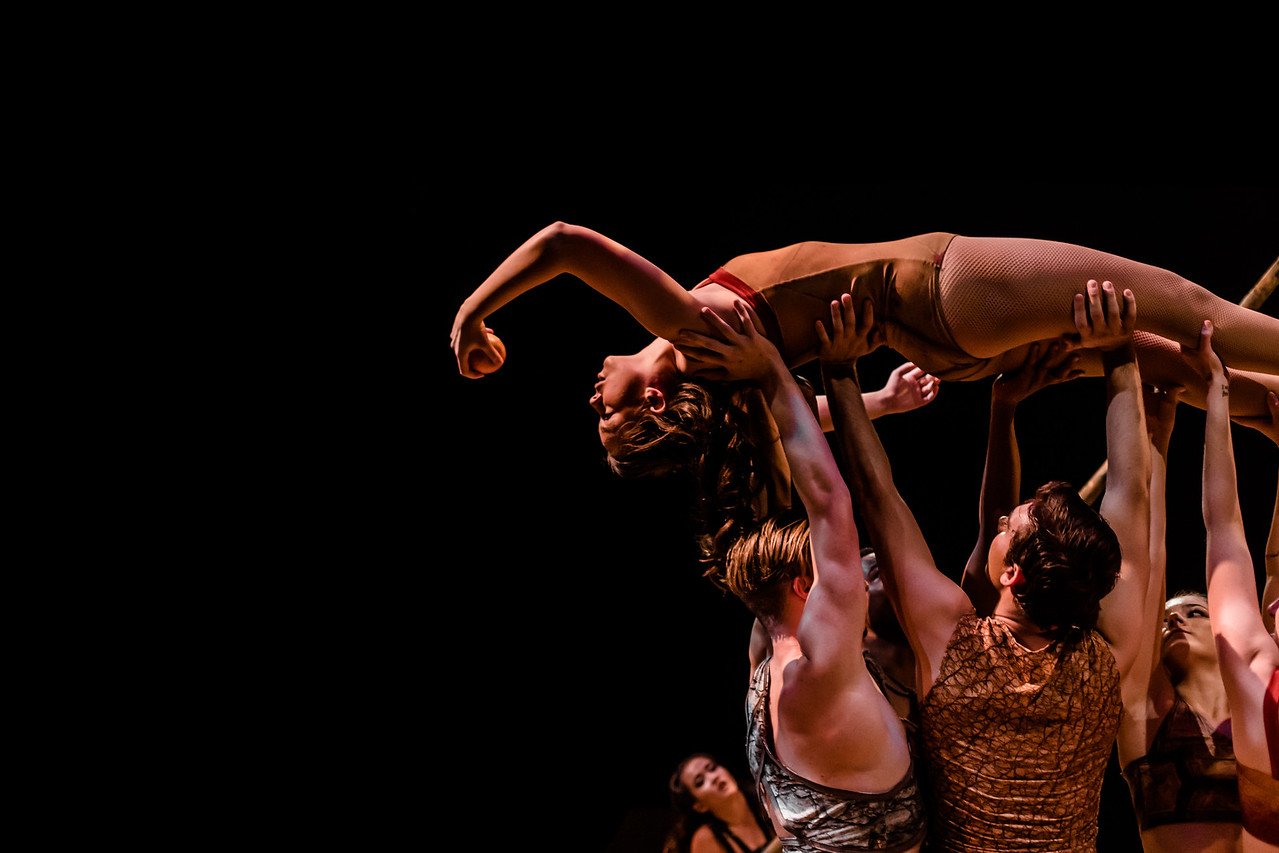
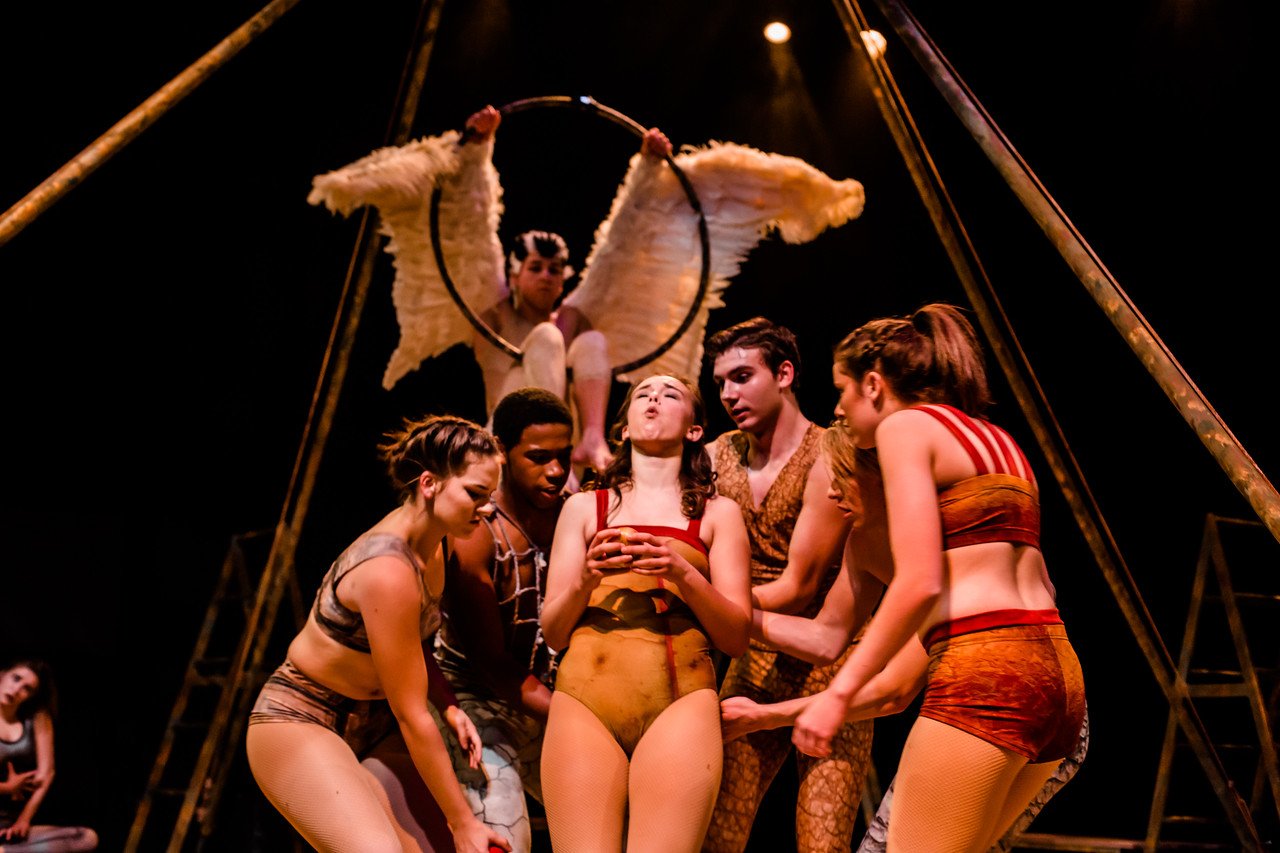
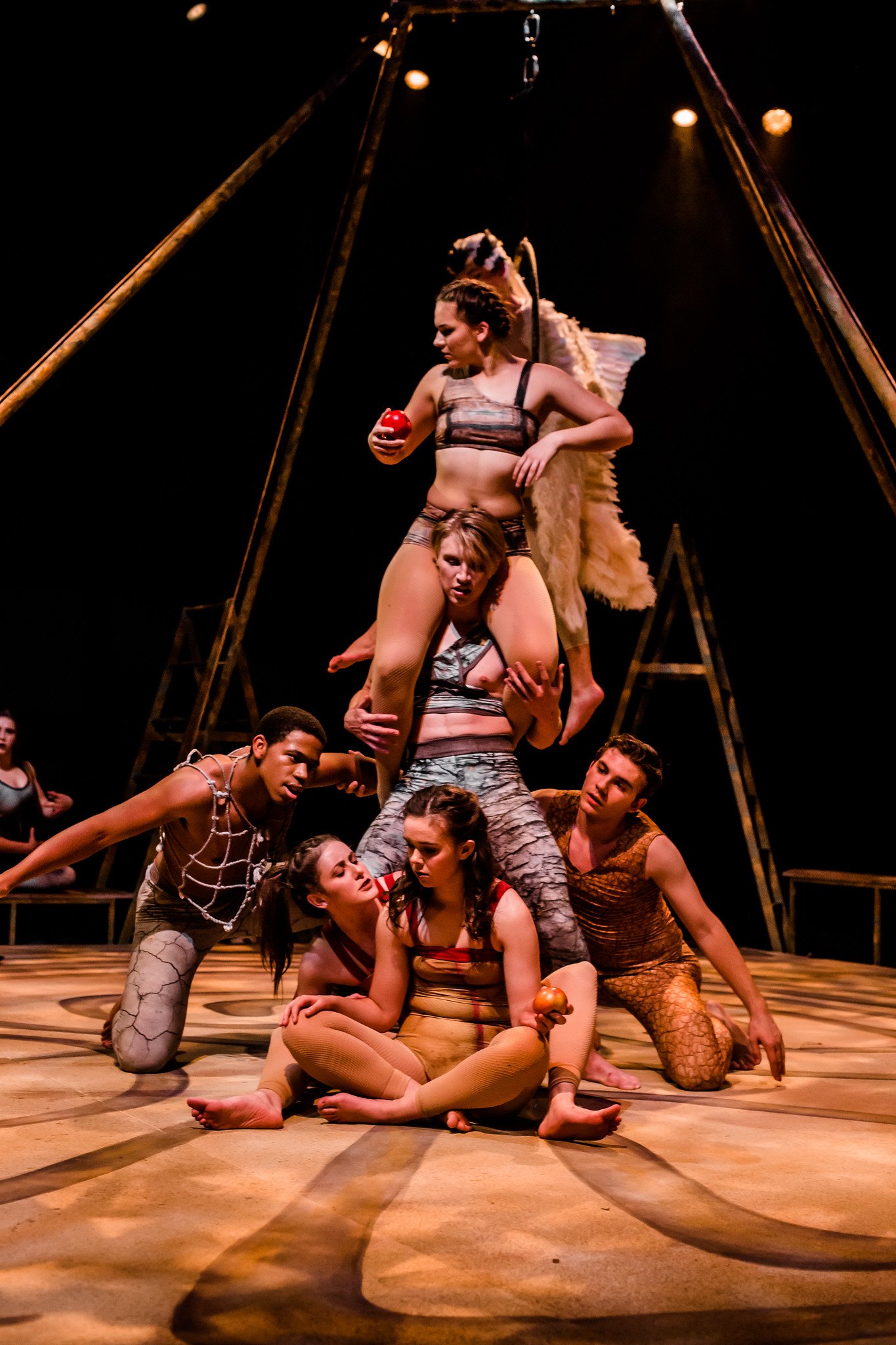
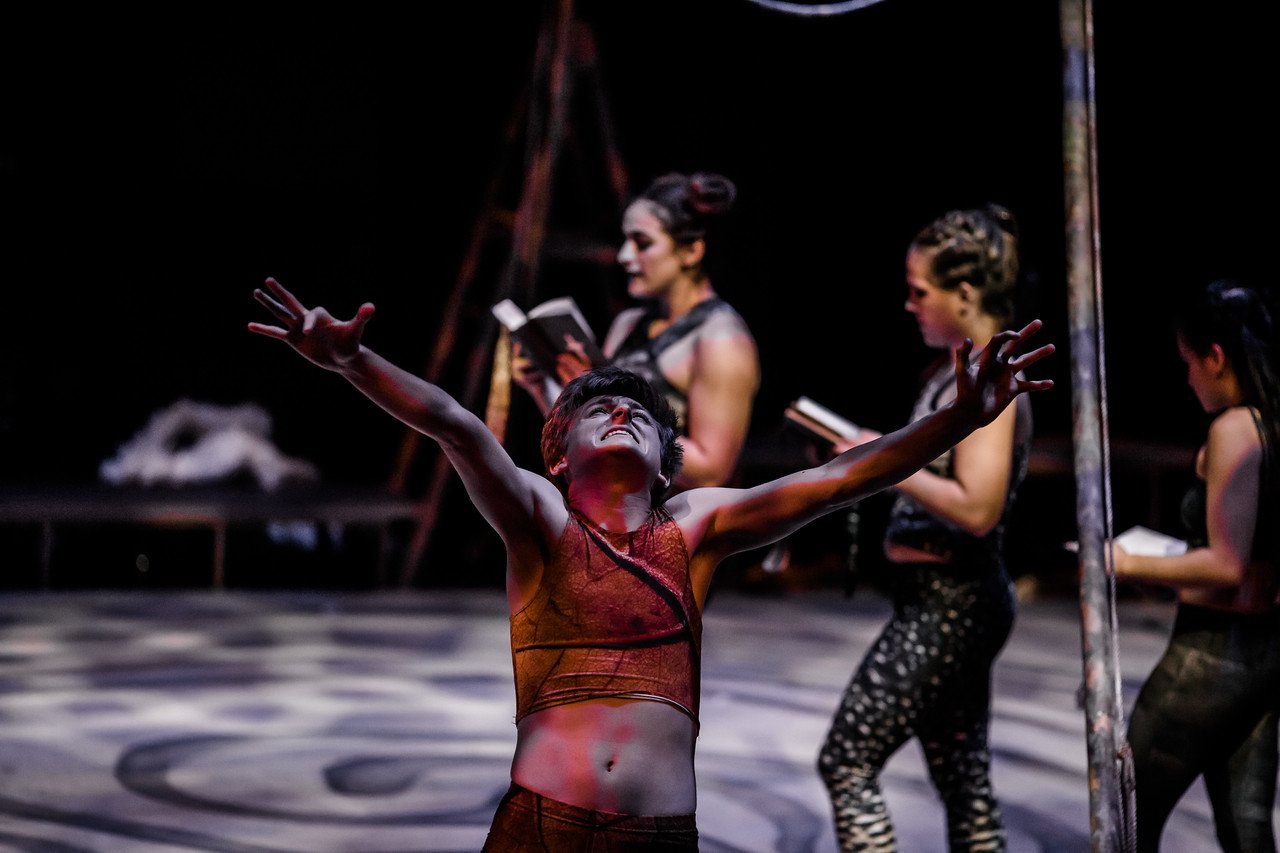
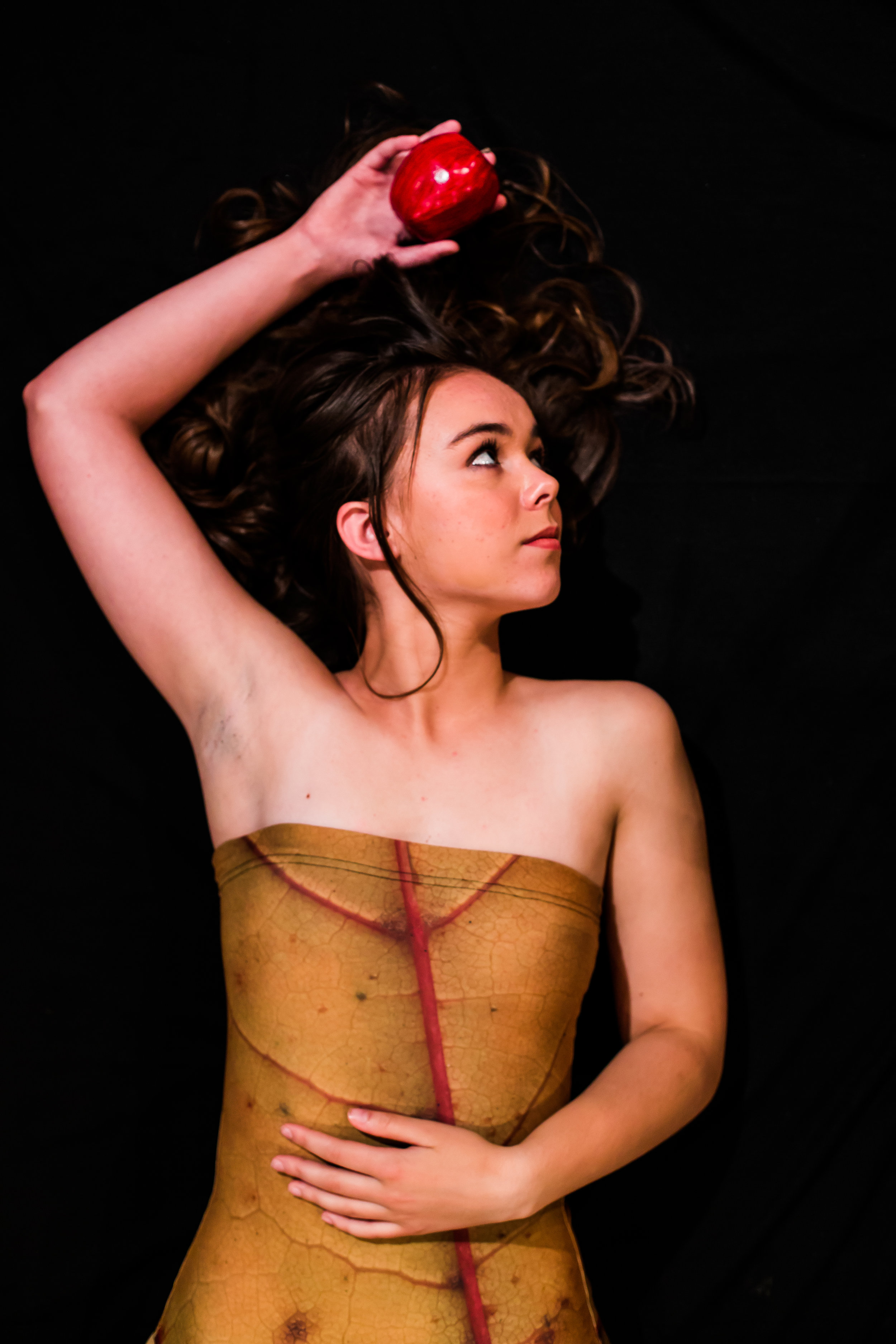
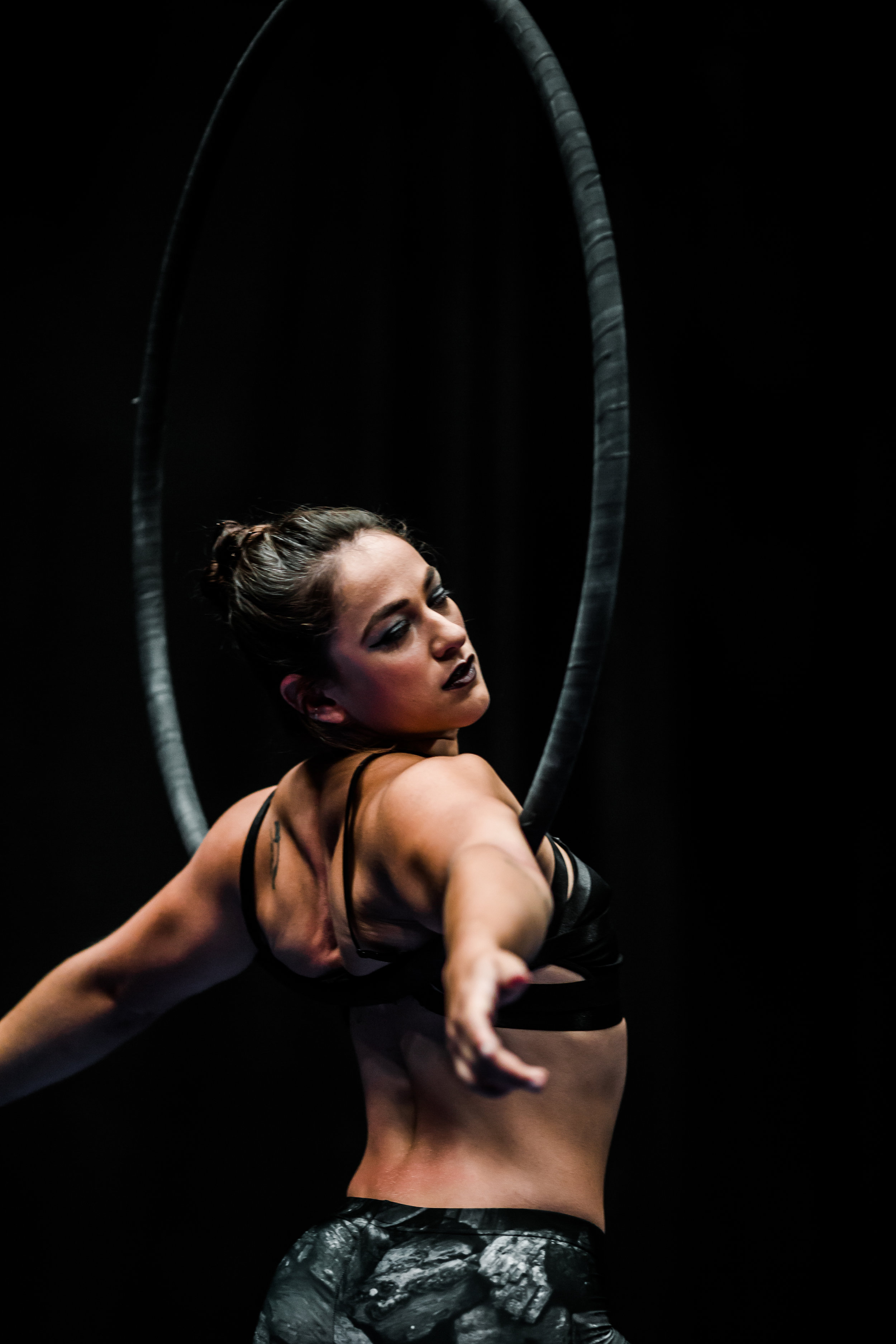
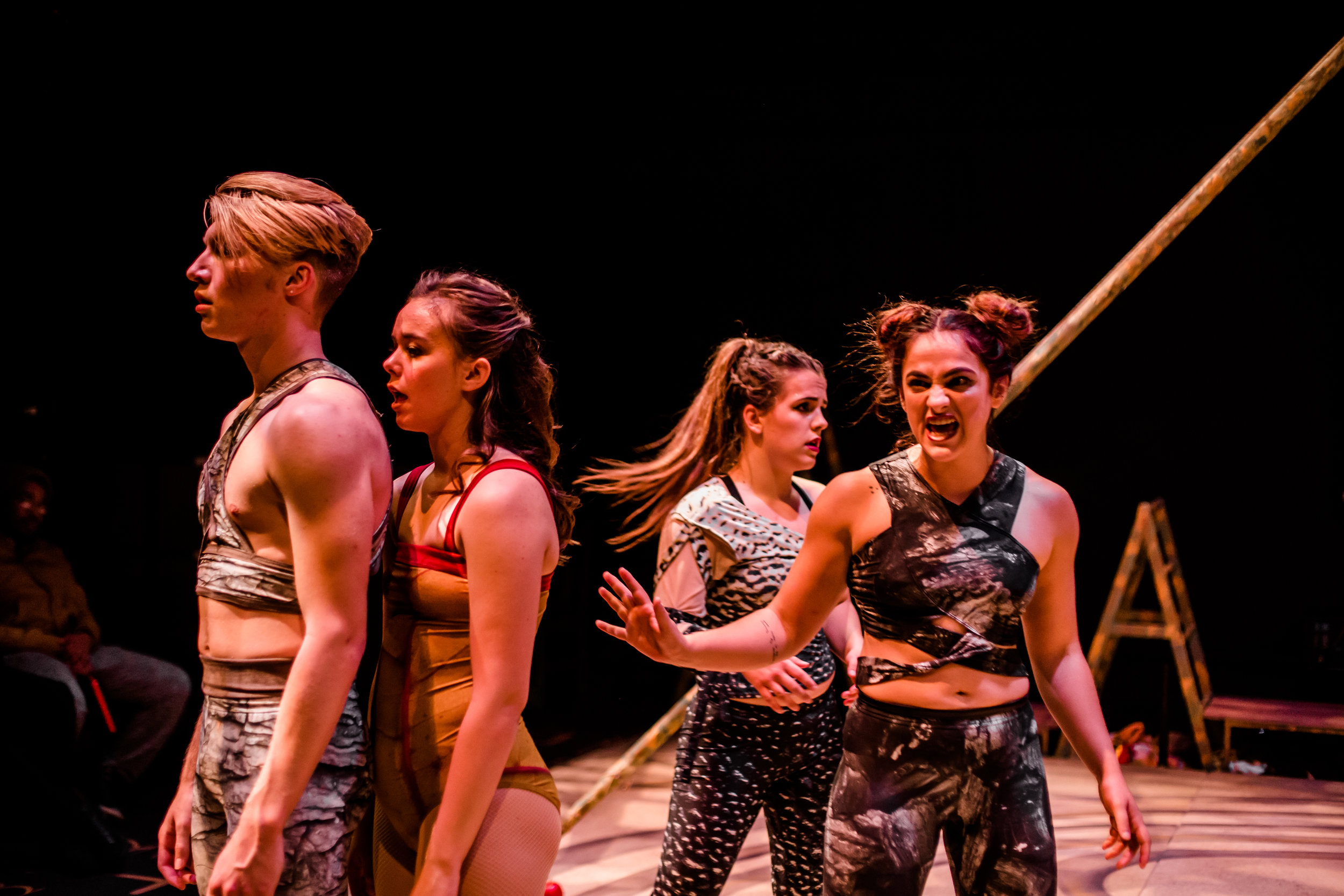
Performer Morgan Barbour in the Nebraska Rep production of THE SERPENT by Jean-Claude van Itallie
Directing, Adaptation, & Writing
At the core of what I do as a collaborative artist to pursue the playful, the poetic, and the provocative in gesture, word, and form.
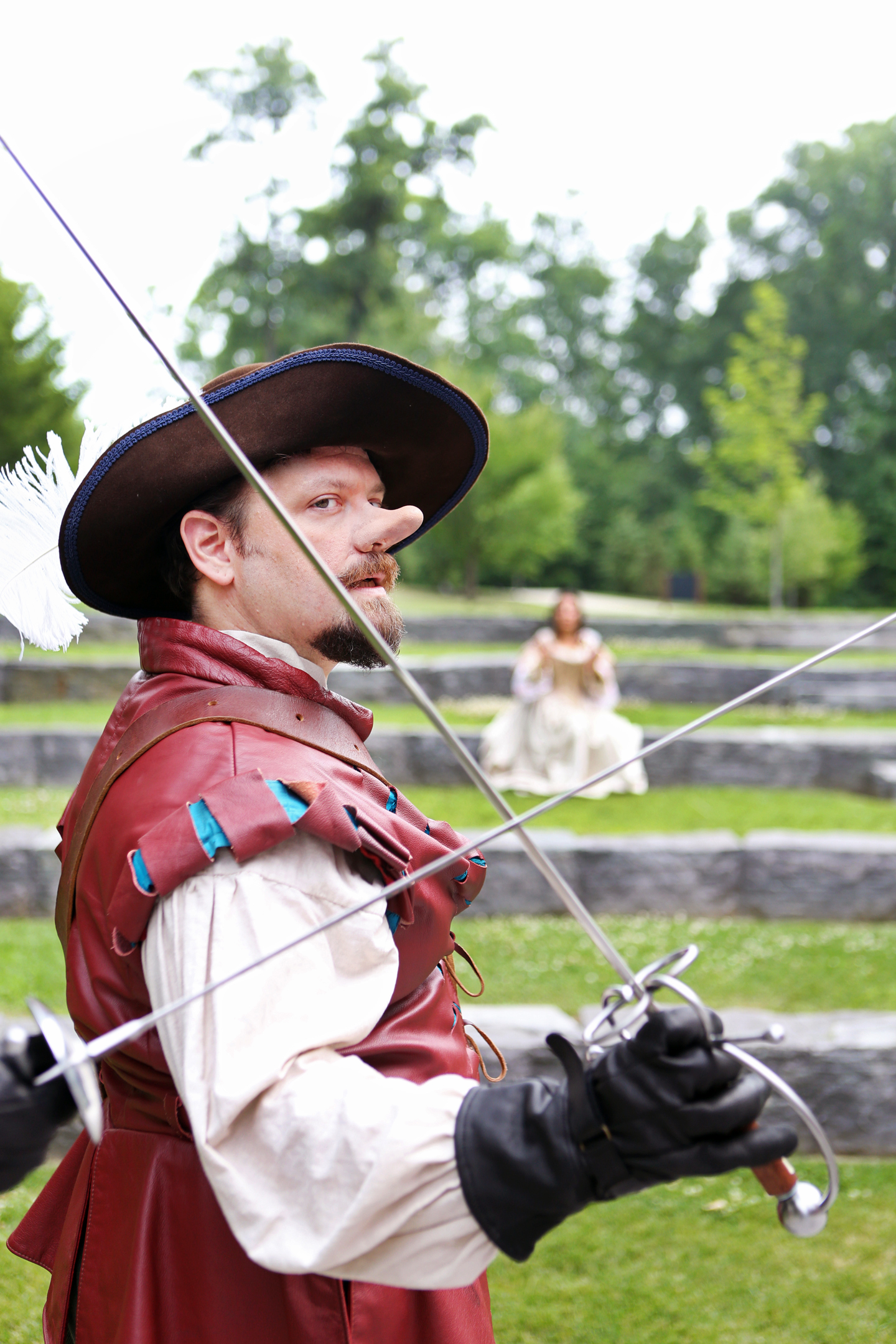
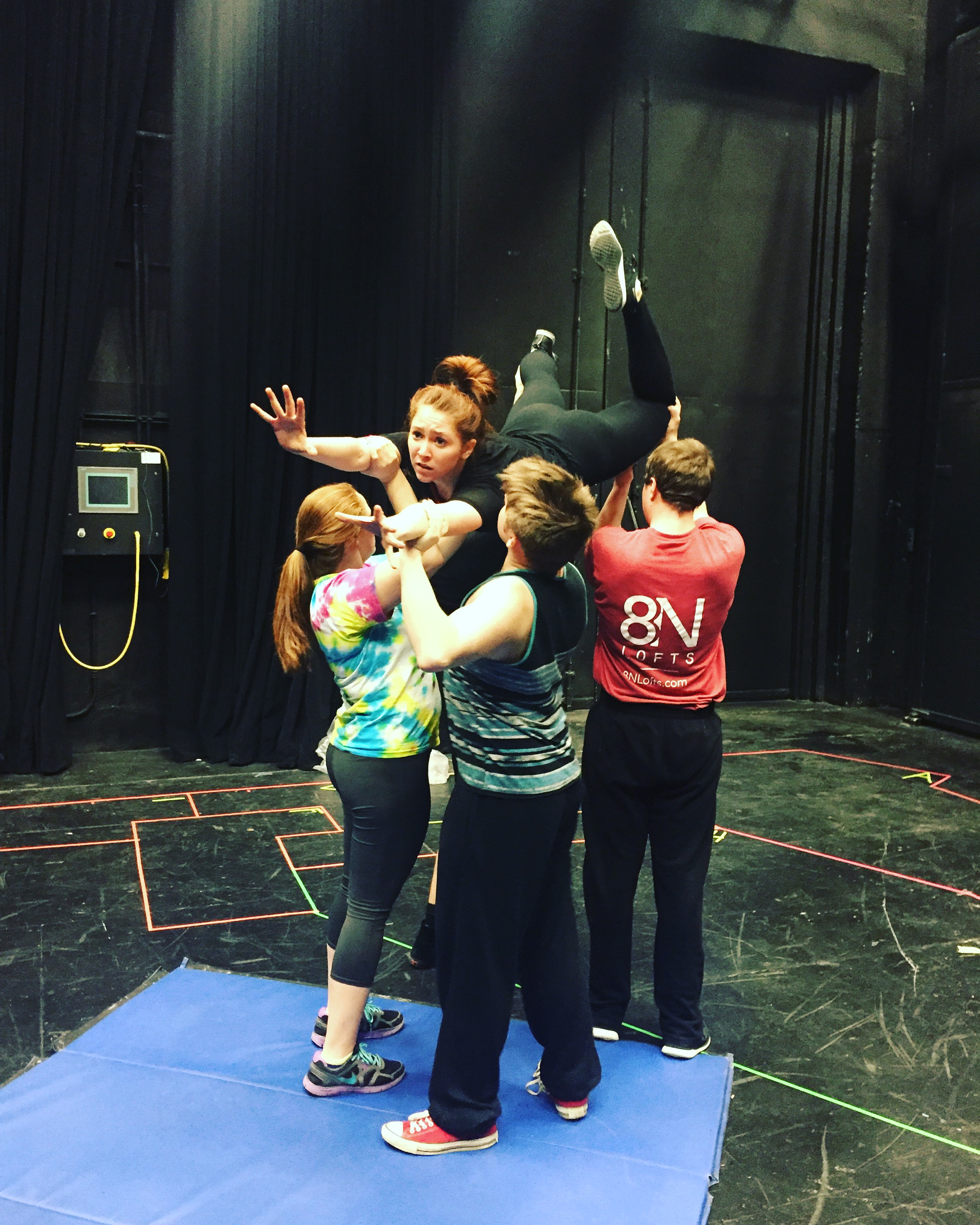
The productions I shepherd often possess a heightened physicality with stunts, fights, movement sequences, and choreography.
The same principles that fuel me as a teacher and movement director also guide me as a director: compassion, curiosity, ensemble, and play.
I believe theatre functions on two planes of perception - the story unfolding on stage in front of the audience and the relationship the theatrical piece has with the audience itself.
I am interested in finding the narrative potential within all of the theatrical elements, discovering virtuosity on stage, and uncovering compelling stories.
I often fear that we, as a society, have lost our ability to use language to 140 characters. I embrace and love social media, but at the same time I believe in the transformative power of words and poetry.
My current directing practice is engaged in deep research into shared light
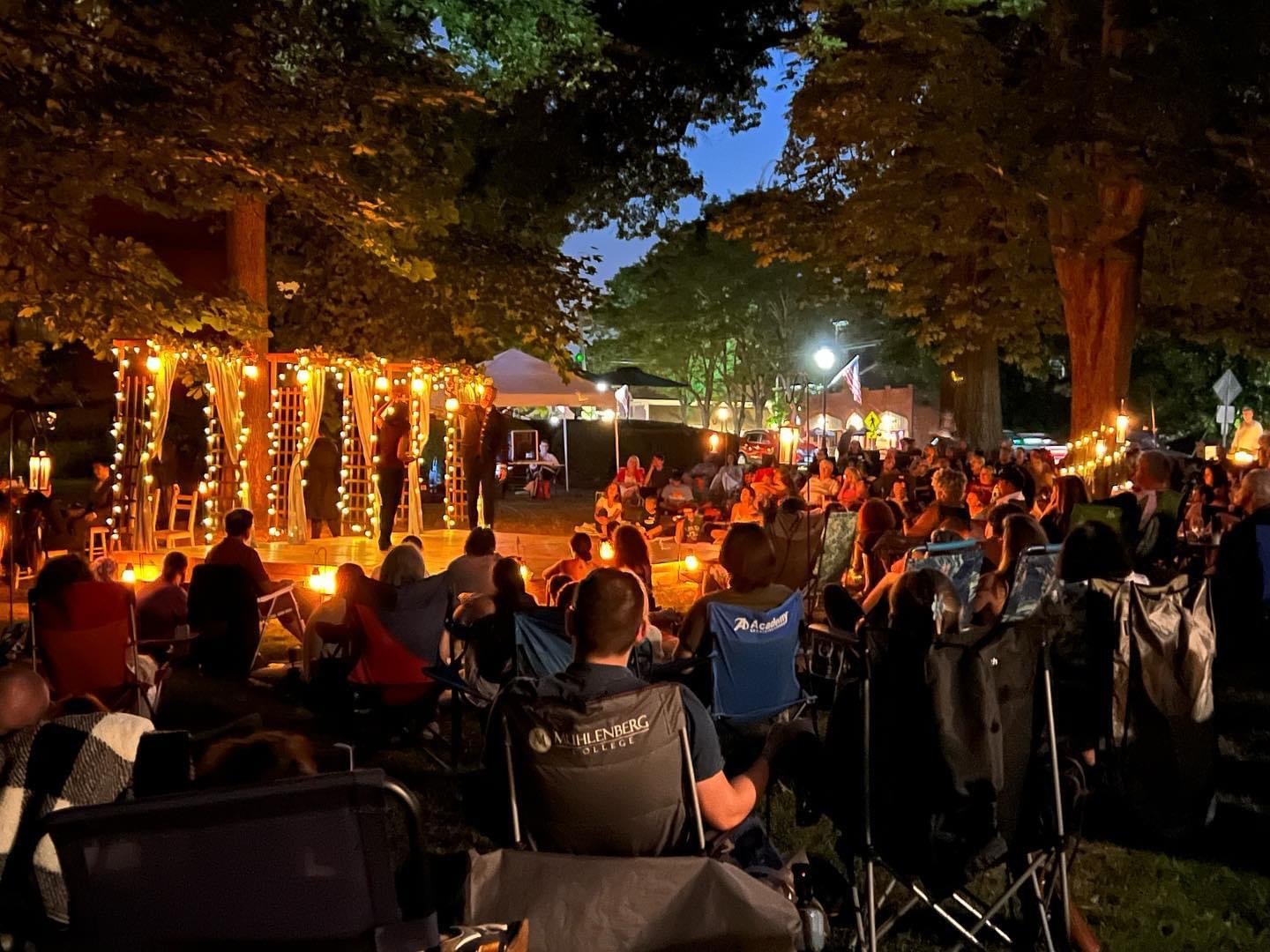
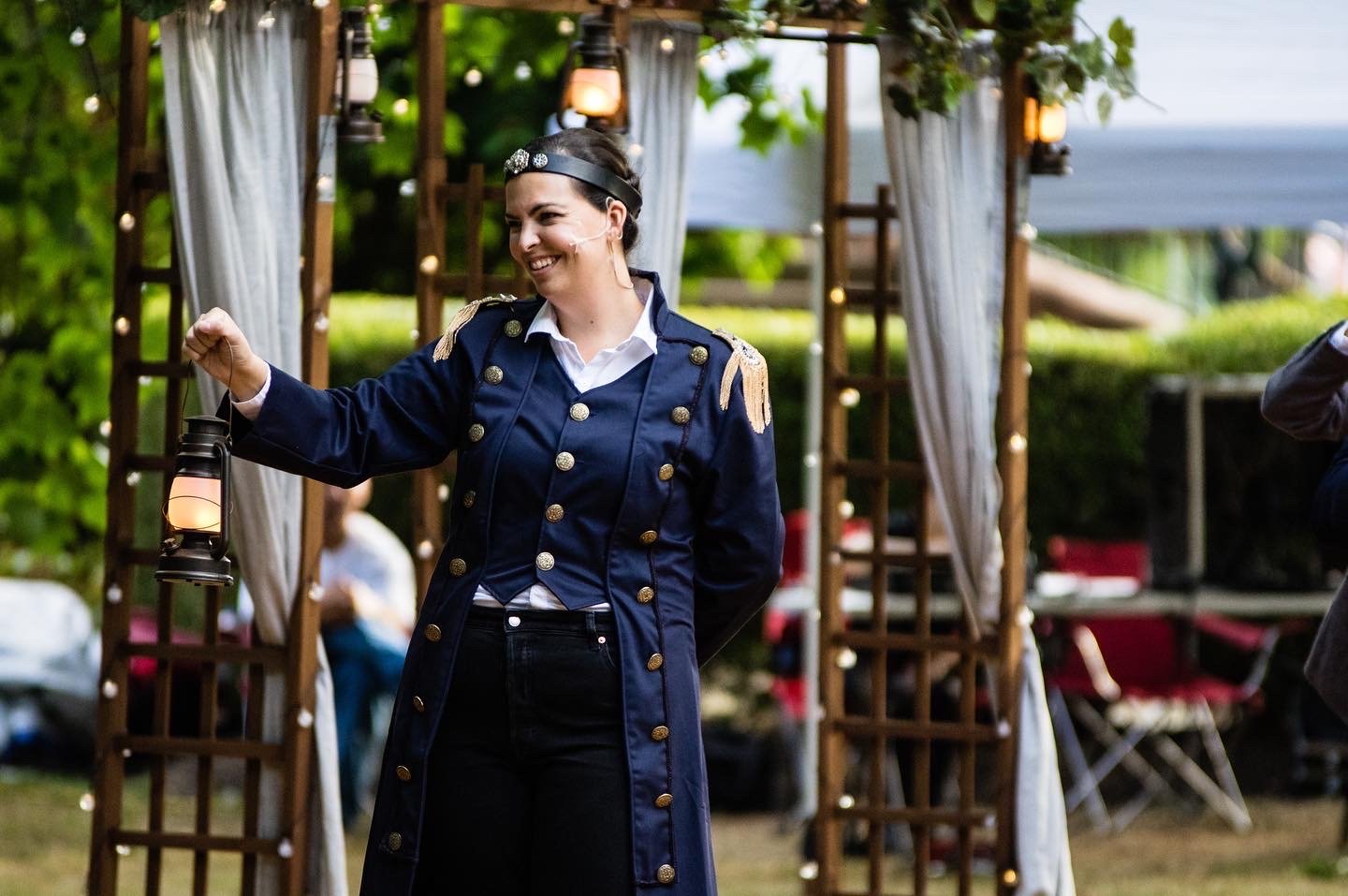
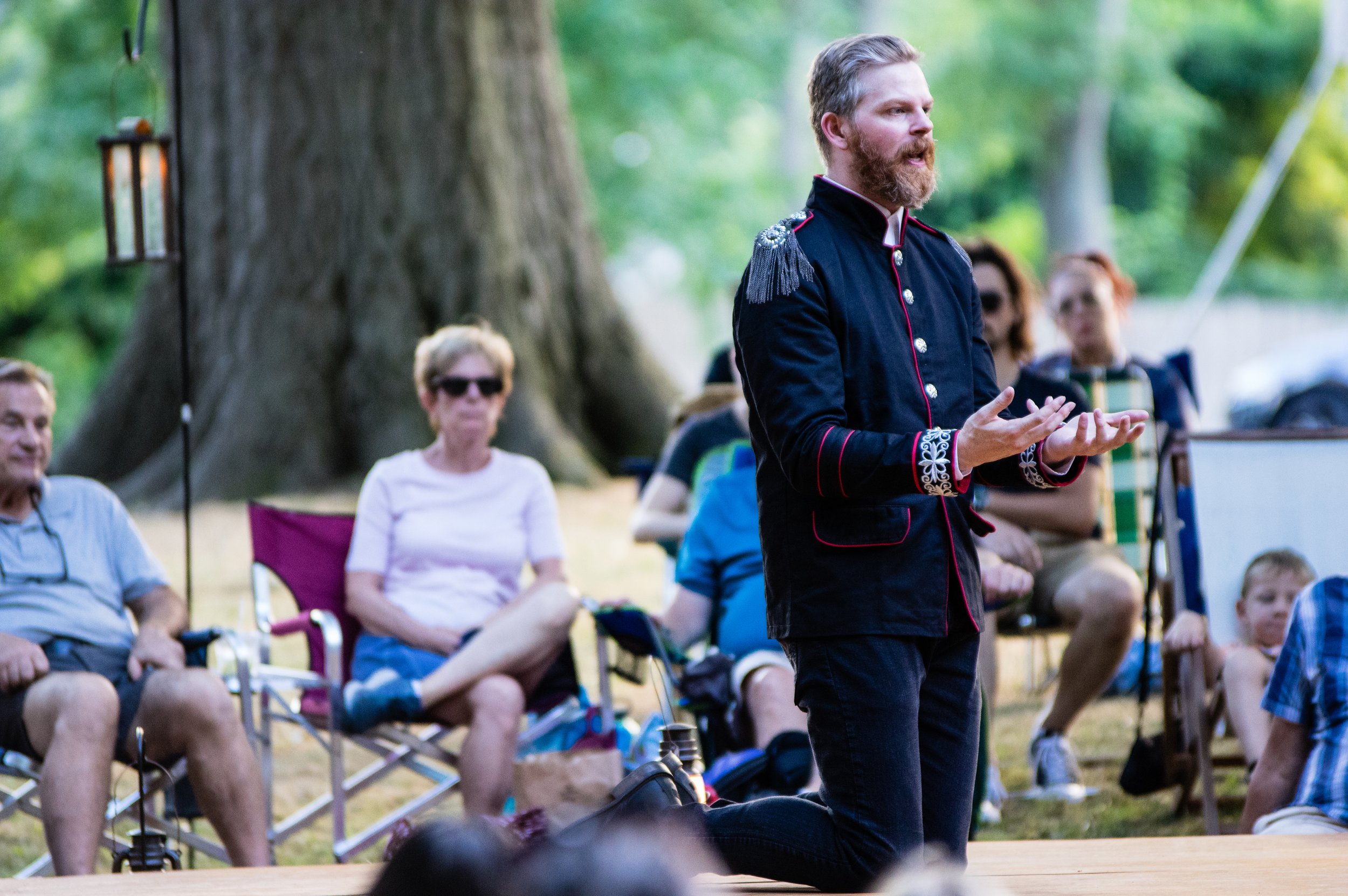
(from outdoors, to candle and lamplight, and more) as well as explorations of space and how to best use it to transfer the narrative of the story. How do we respond to physical space around us and not apologize for it? Embrace the space.
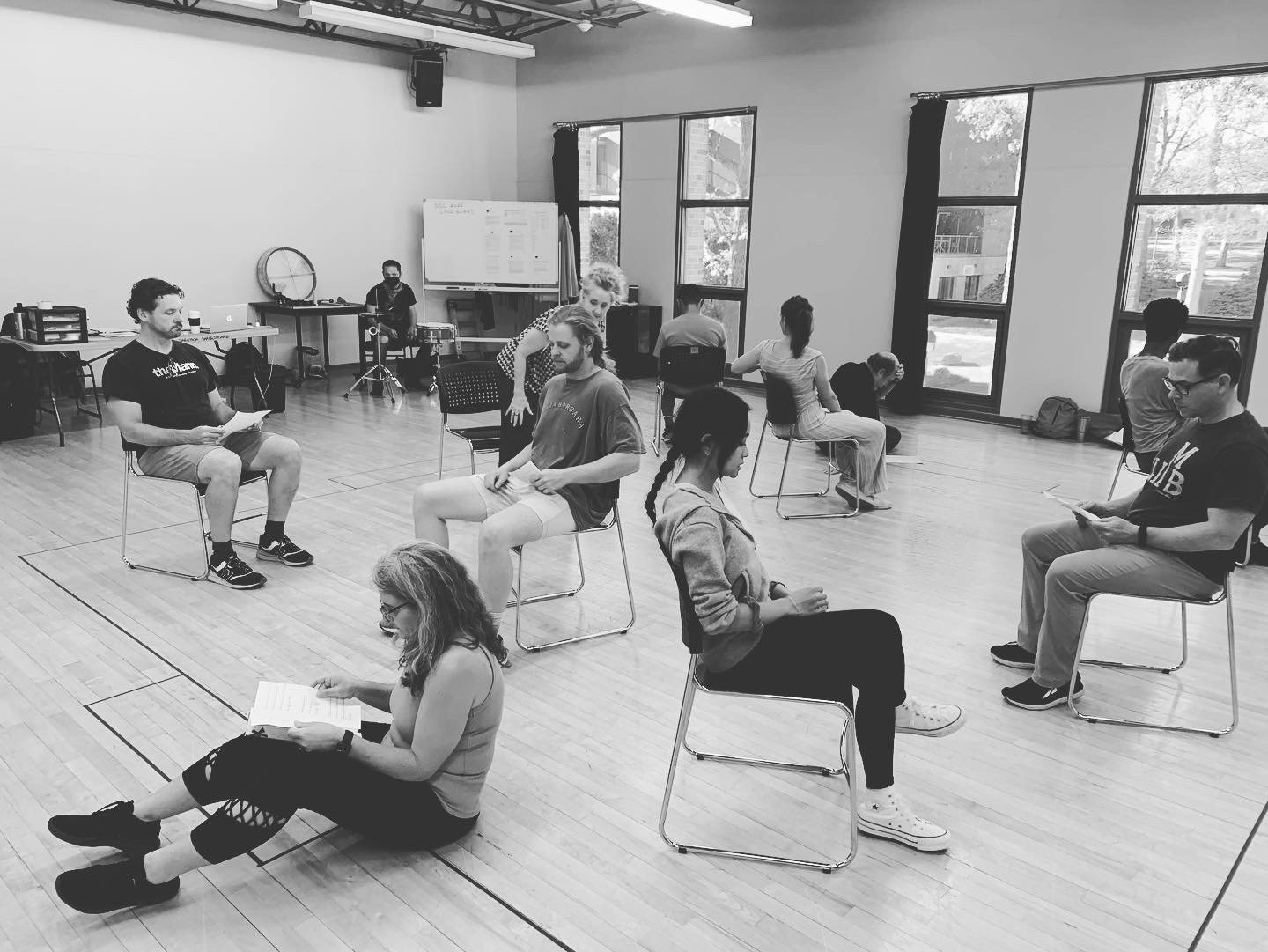
My work has also led me into deep exploration with the ensemble. How can we find the most low tech solution to highest tech problems? I believe in performer forward work and returning the theatre to its most elemental form: Body, Breath, and Imagination.
Right now I am deeply engaged in adaptation. Some projects I am currently in the research phases of are: a Punk-Pop Reimagining of Edith Wharton’s Age of Innocence, A solo version of 1984 involving live looping, an adaption the Witch of Blackbird Pond, and Eastern European Folktales and Short Stories. Page-to-stage is a particular area of interest.
As I find myself working in found spaces, community spaces and more I have come to a few ideas: some artists have dubbed these philosophies, the “Human Landmarks” way of working. This work is essential to moving “beyond the proscenium.”
Human Landmarks
The "Human Landmarks" philosophy represents a sophisticated bridge between classical ensemble training and contemporary site-specific practice. At its core, it rejects the idea of a "neutral" space, positing instead that every location—whether a public park, art gallery, or historic building—is already thick with invisible narratives.
Much of my work draws from my training with Complicite, Moises Kaufman and Tectonic Theatre Project, Punch Drunk, Aretha Sills in the work of Viola Spolin, Michael Chekhov Technique, and my studies at Shakespeare’s Globe/Globe Education.
VIDEO SAMPLES
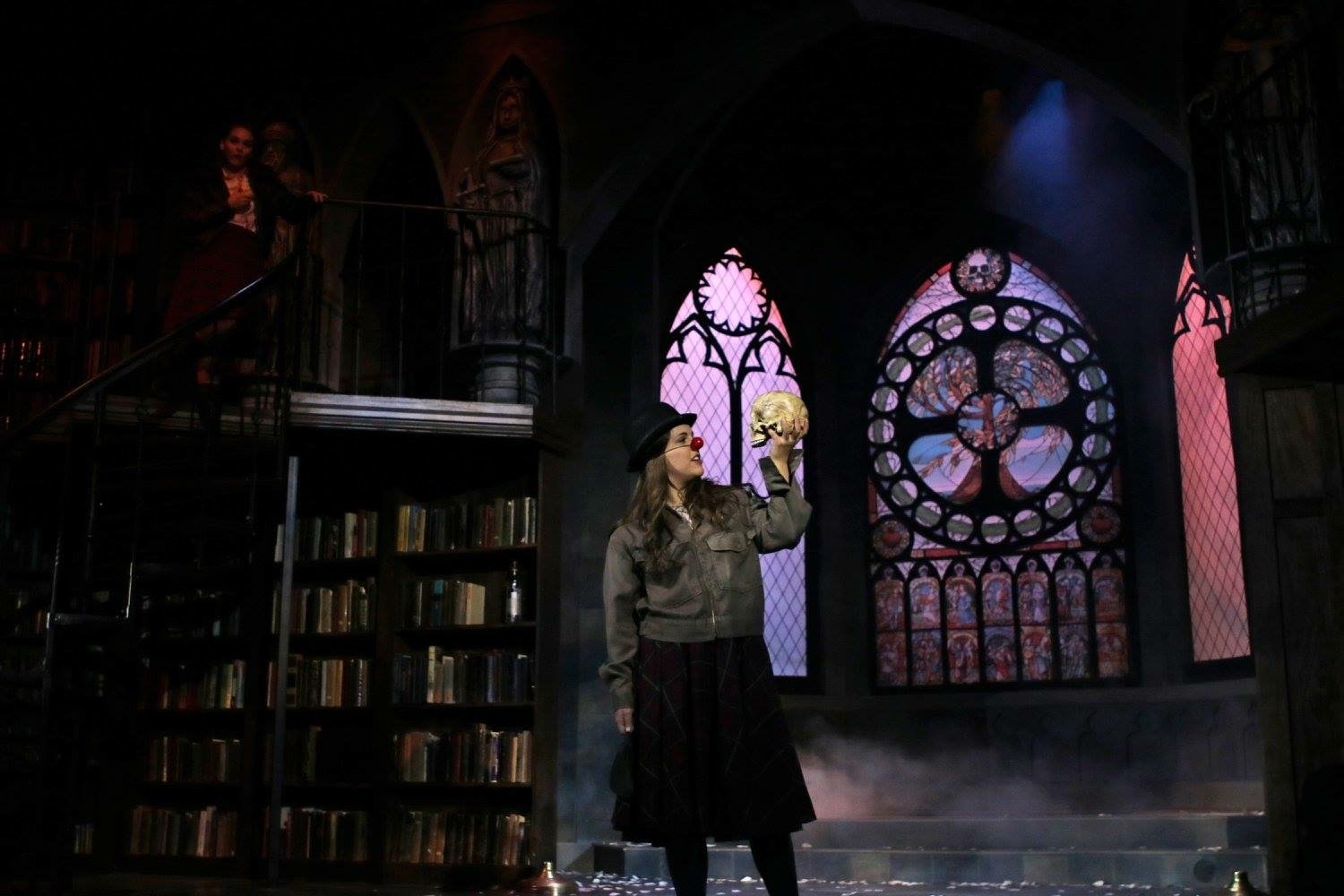
Hamlet opening sequence
https://www.youtube.com/watch?v=gMcTiR-Wutg
Ophelia's Death Knell
https://www.youtube.com/watch?v=2lDO2QzDiWc
CLICK THE LINKS BELOW FOR PHOTOS OF WORK
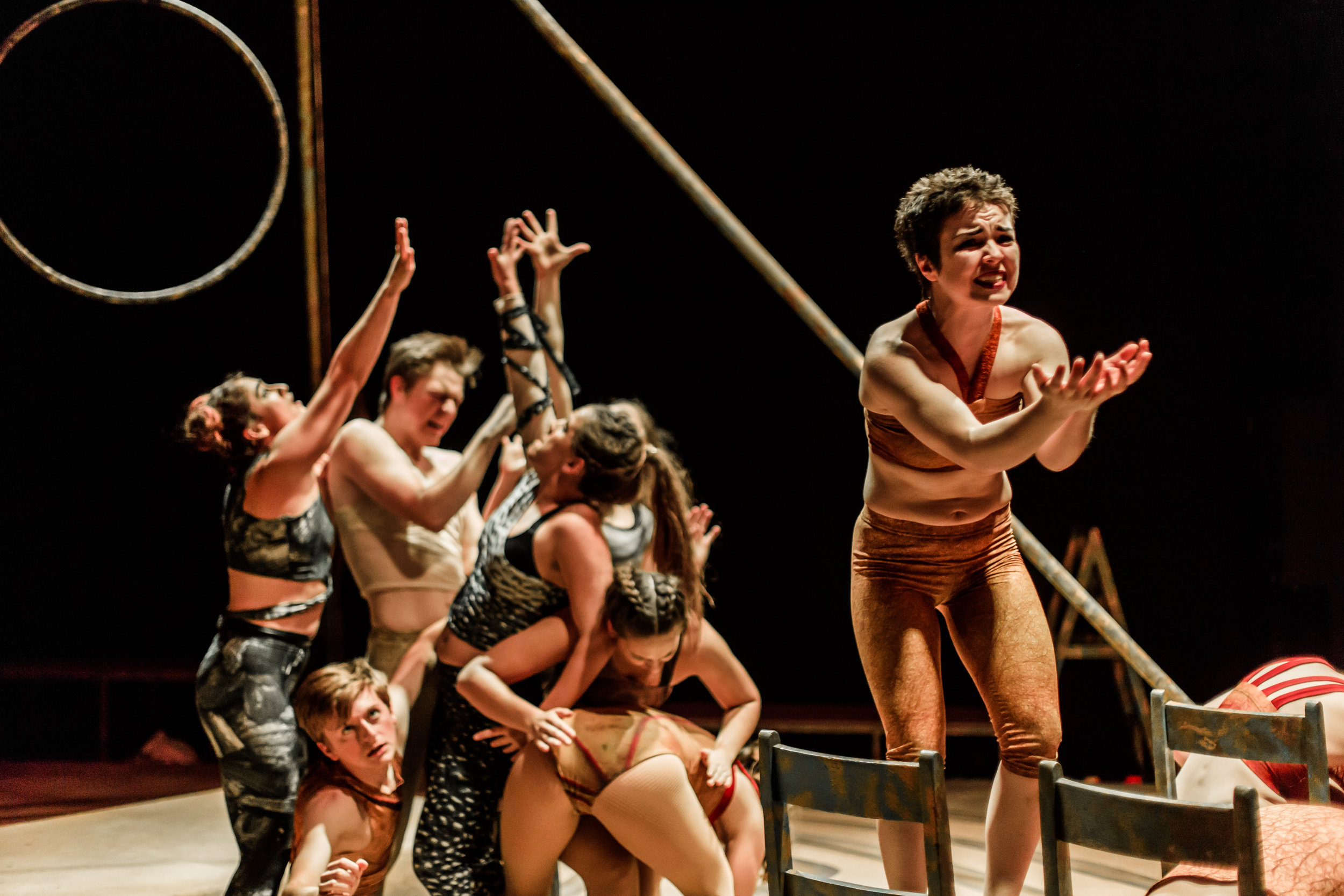
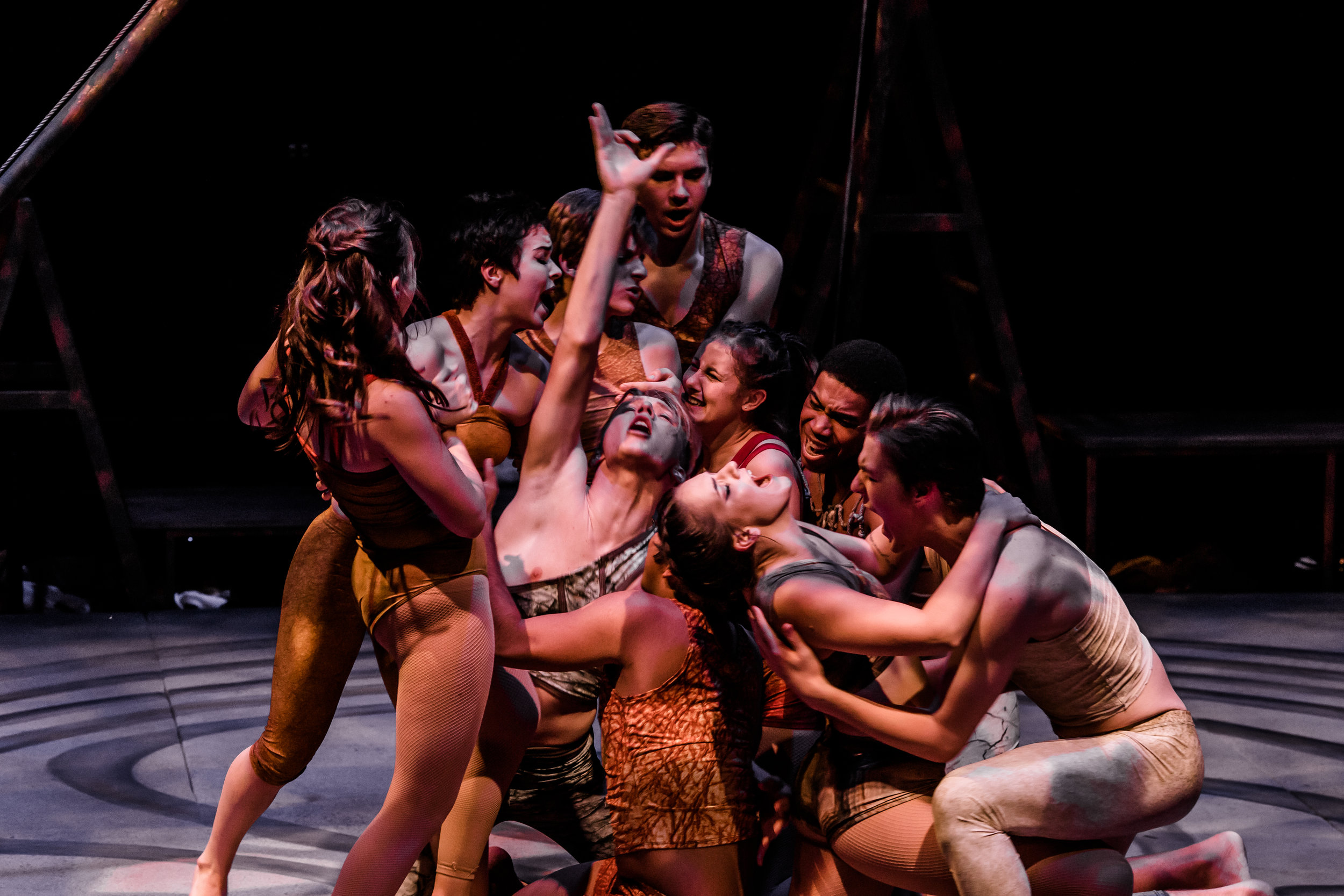
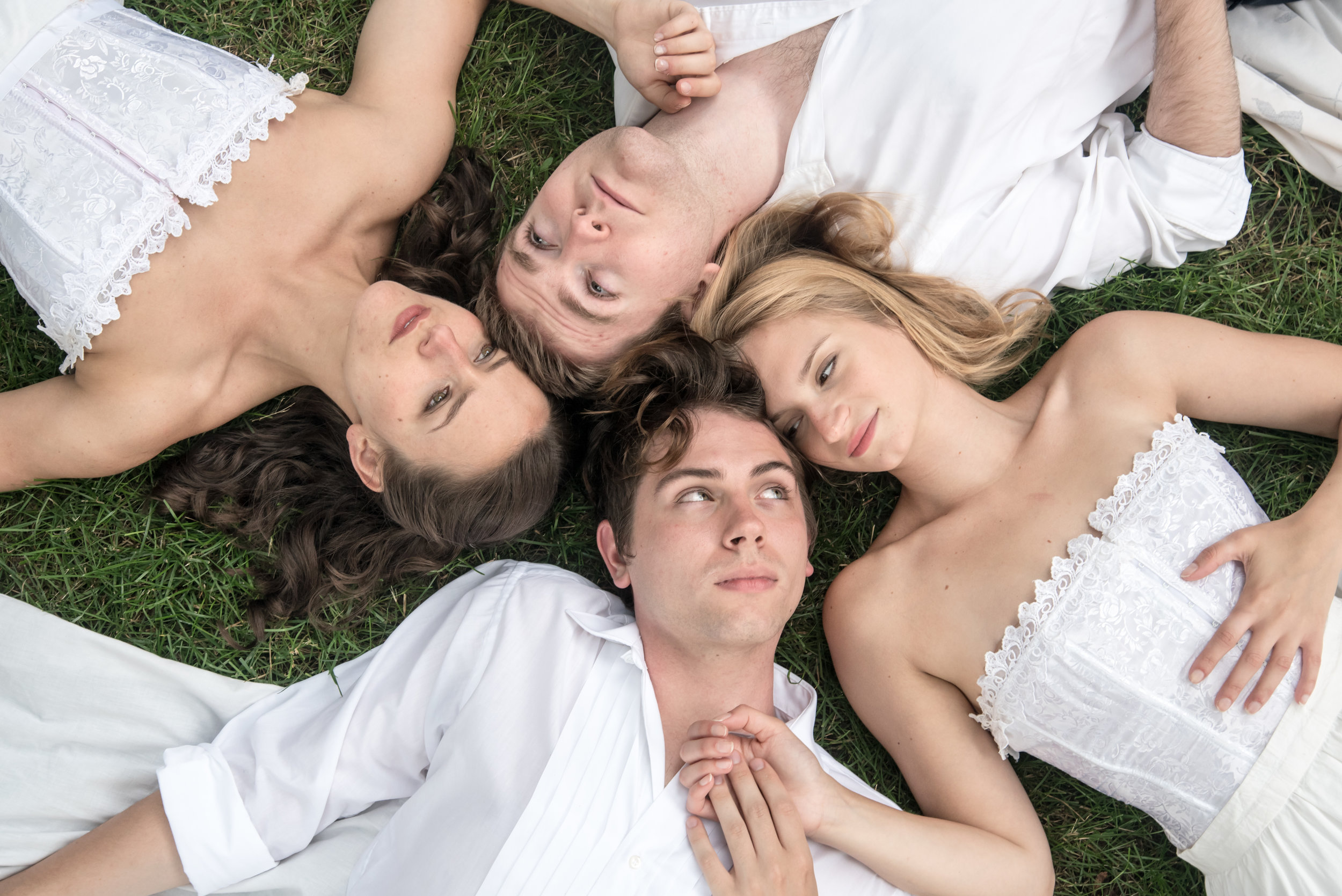
THE SERPENT by Jean-Claude van Itallie at Nebraska Repertory Theatre
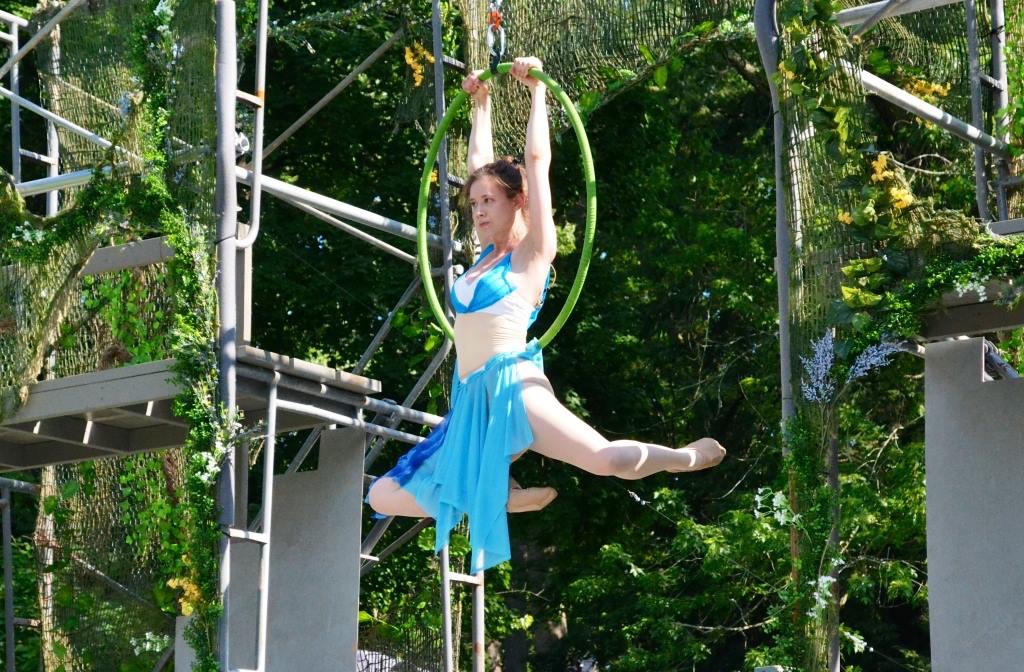
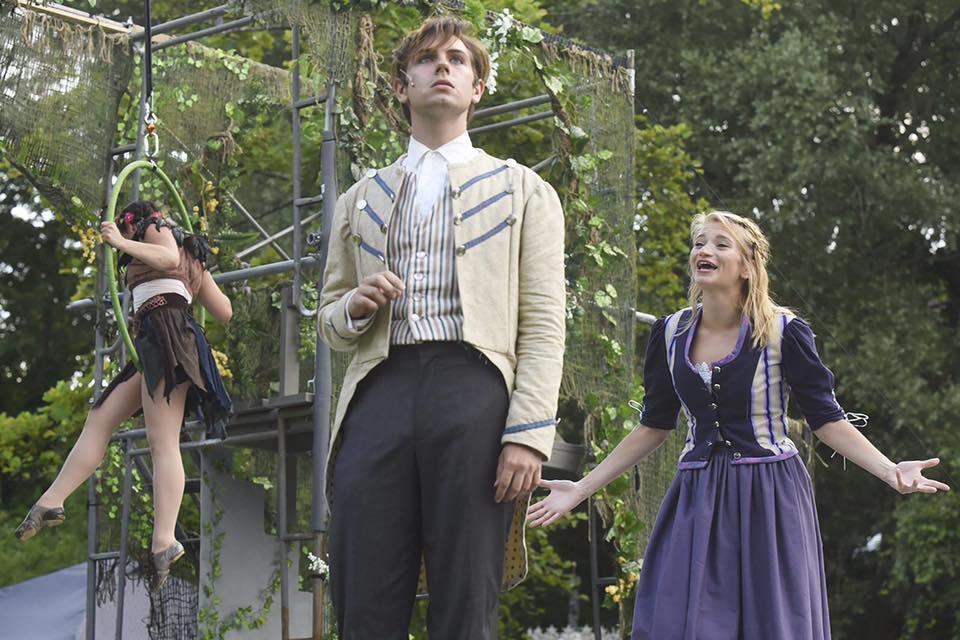
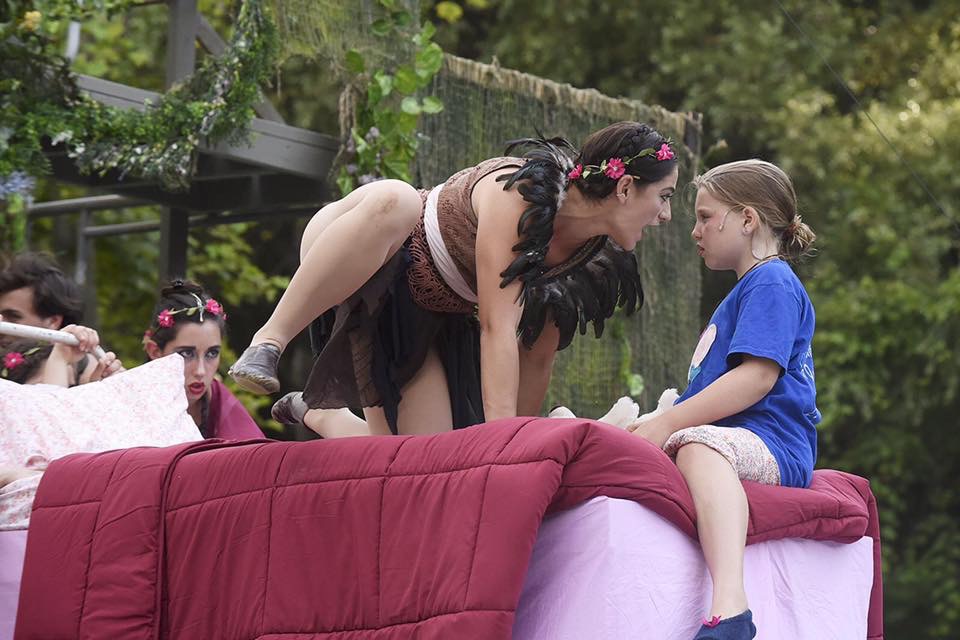
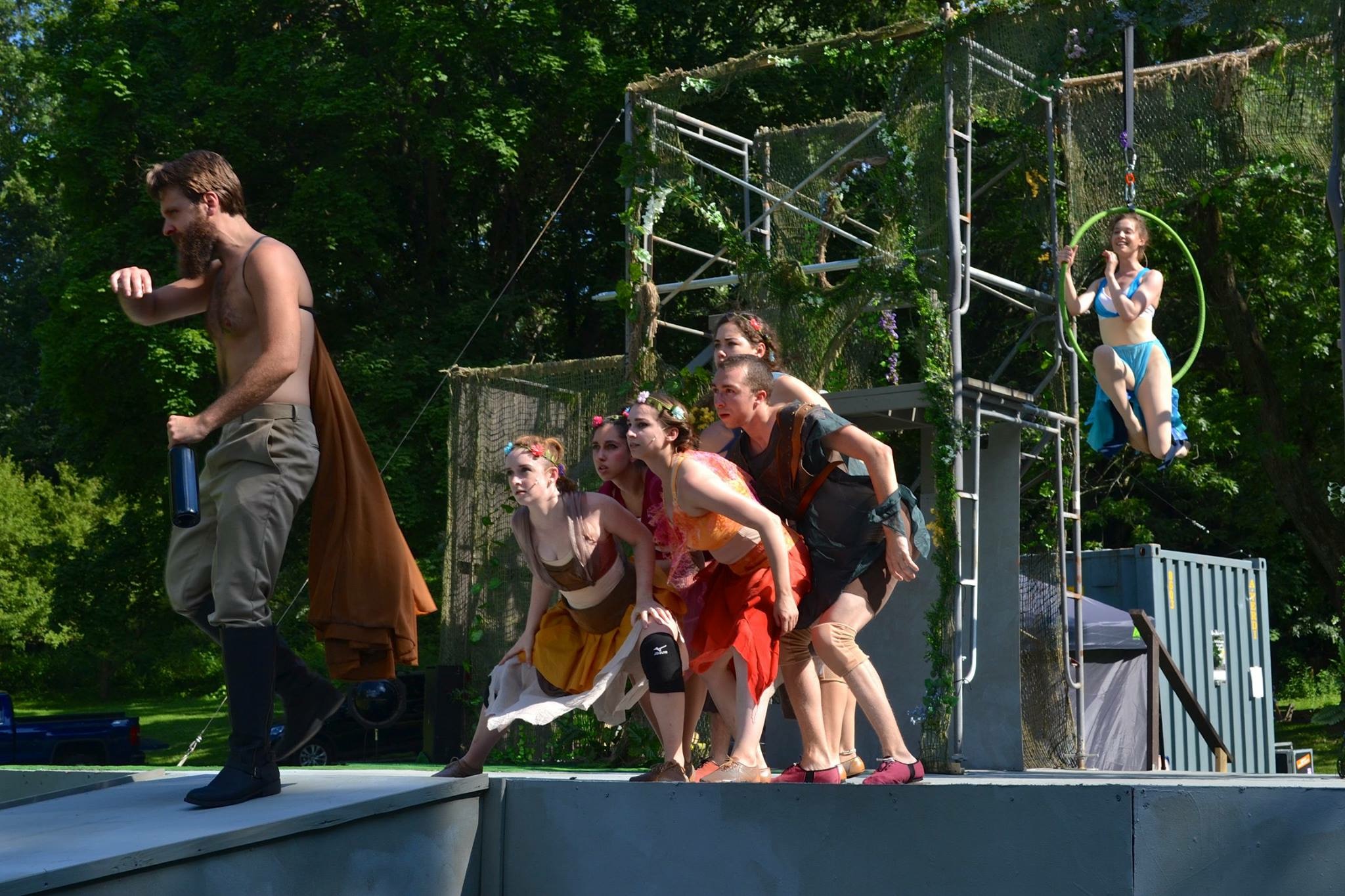
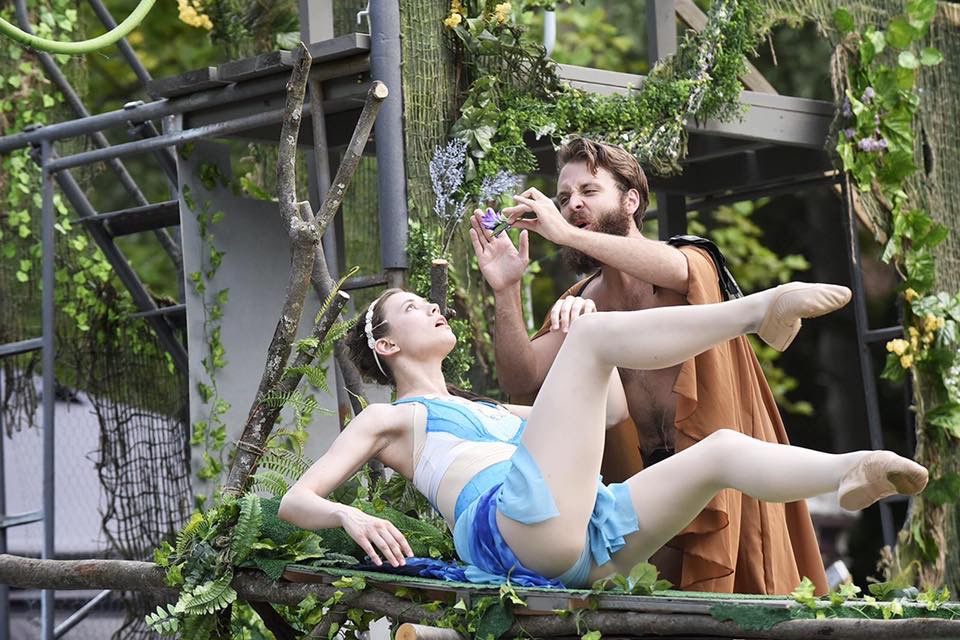
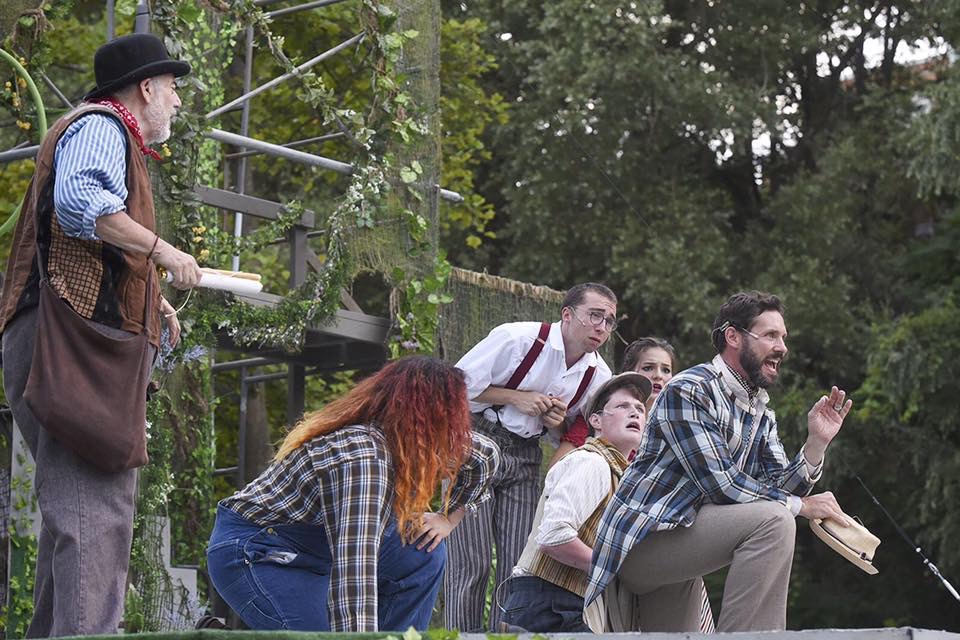
A MIDSUMMER NIGHT’S DREAM by William Shakespeare at Saratoga Shakespeare Company
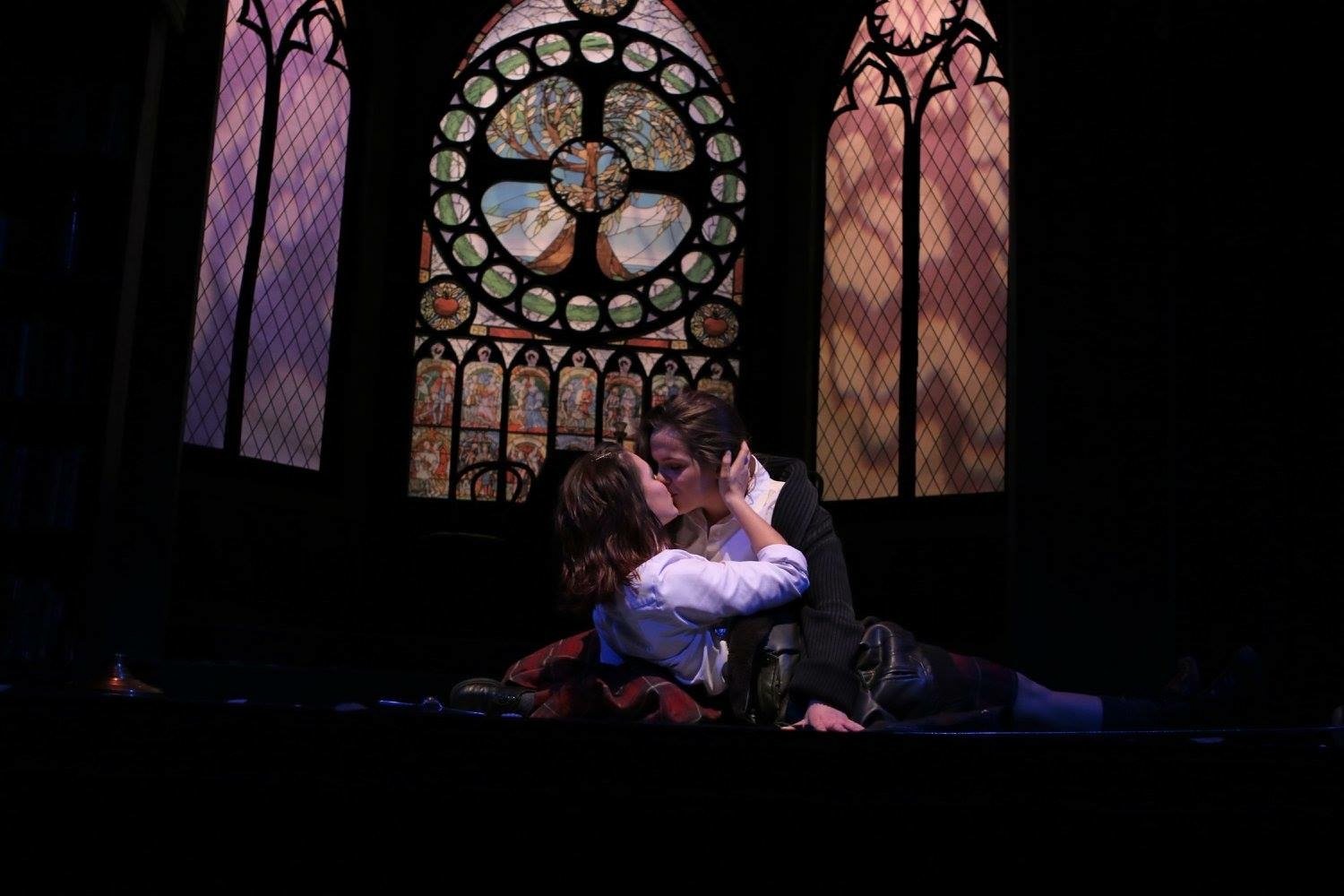
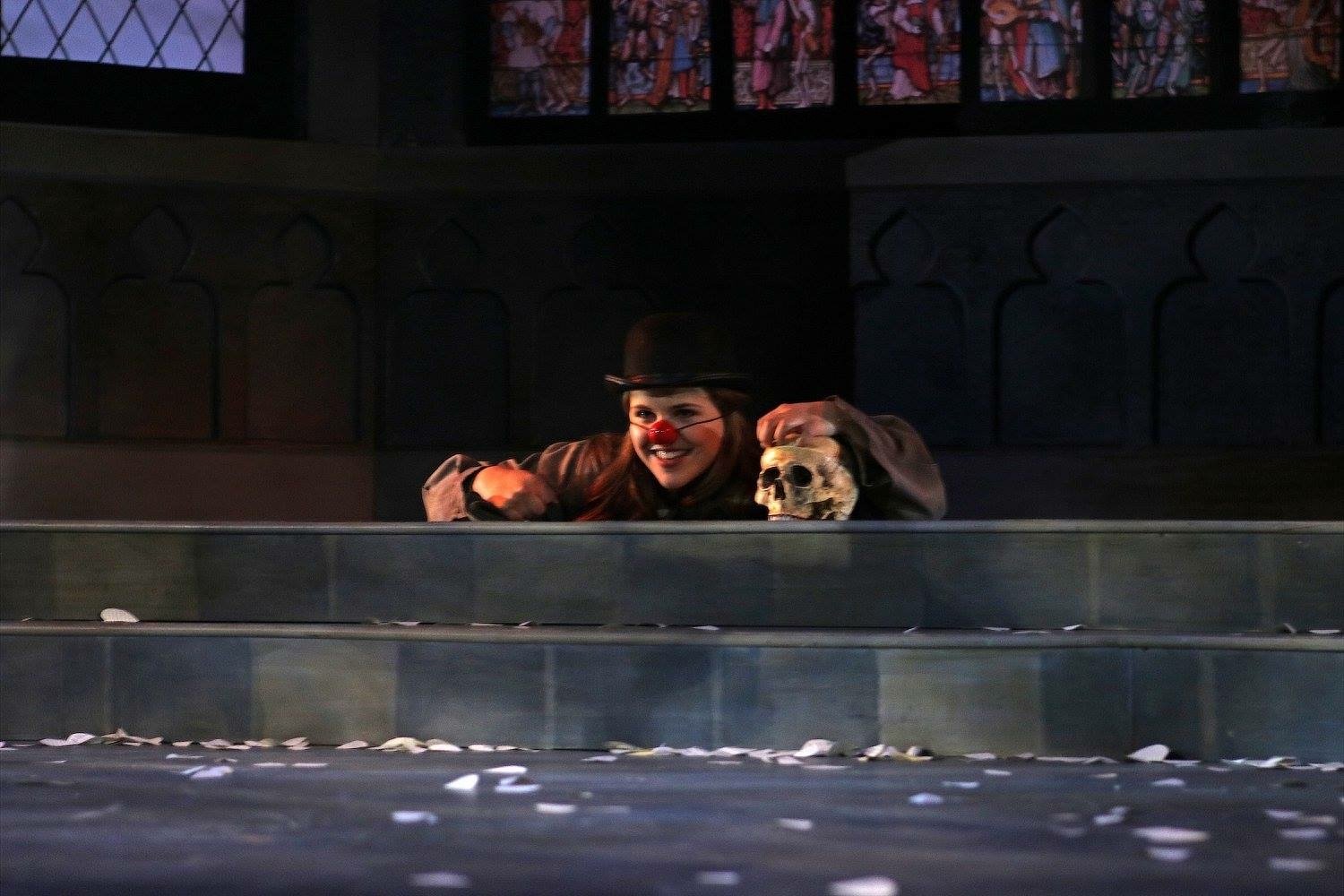
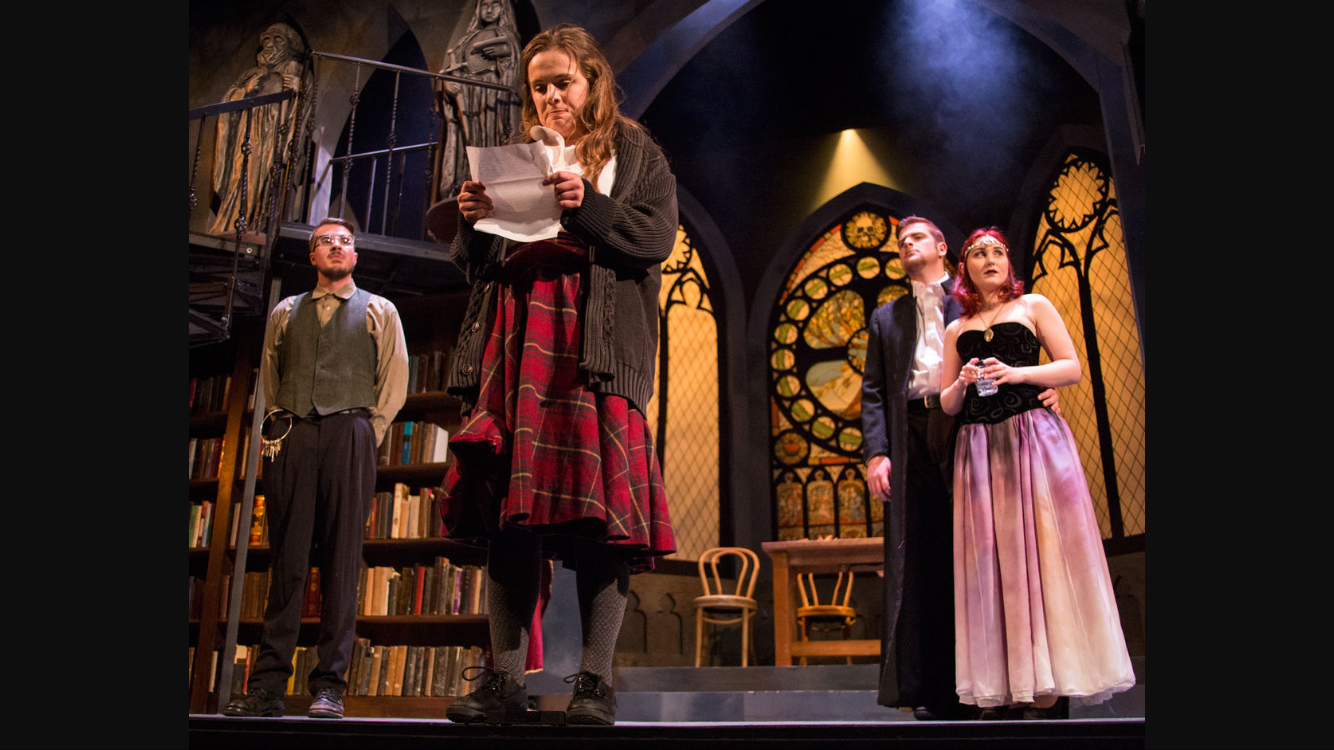
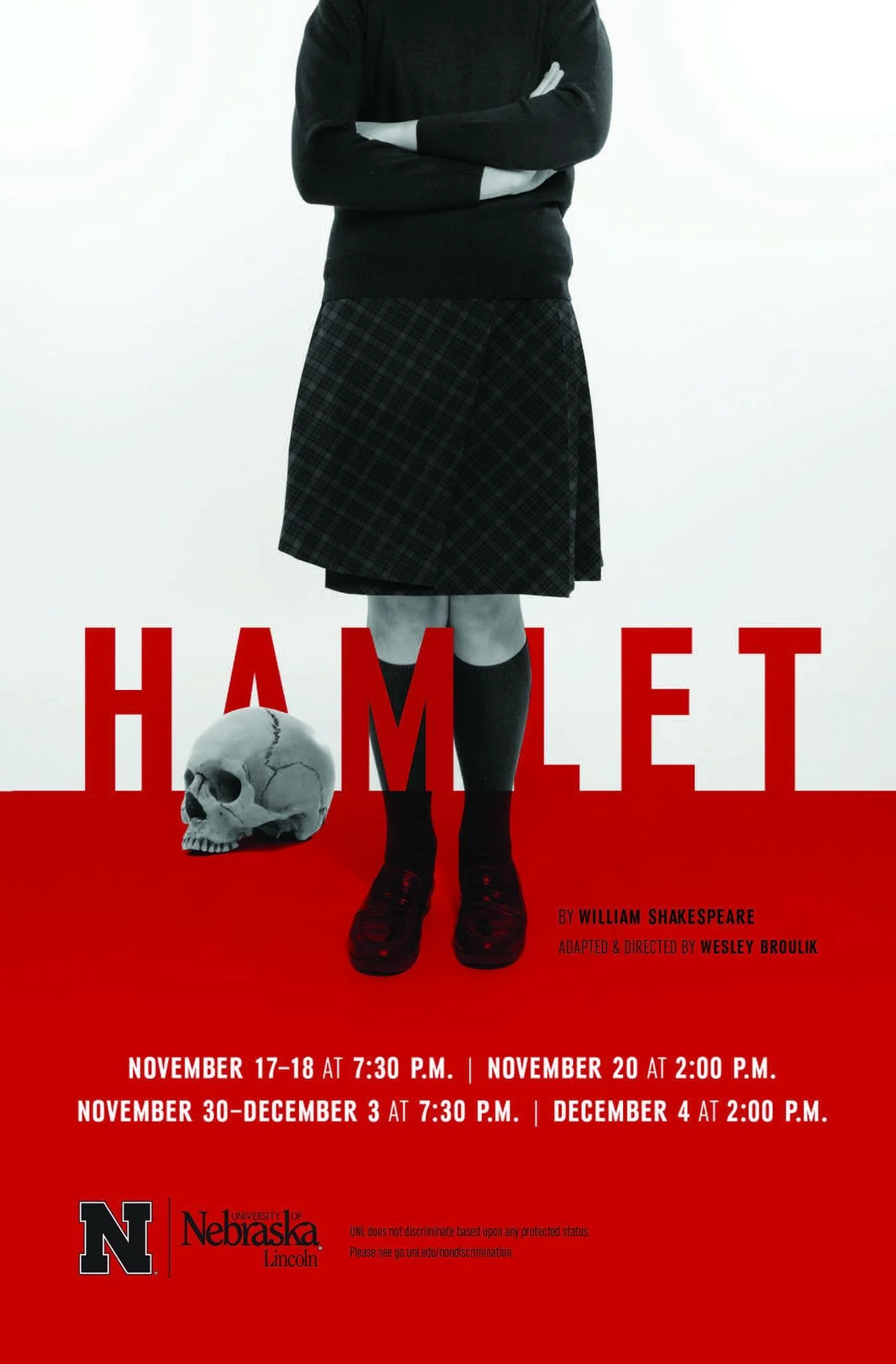
HAMLET by William Shakespeare at the Johnny Carson School of Theatre & Film
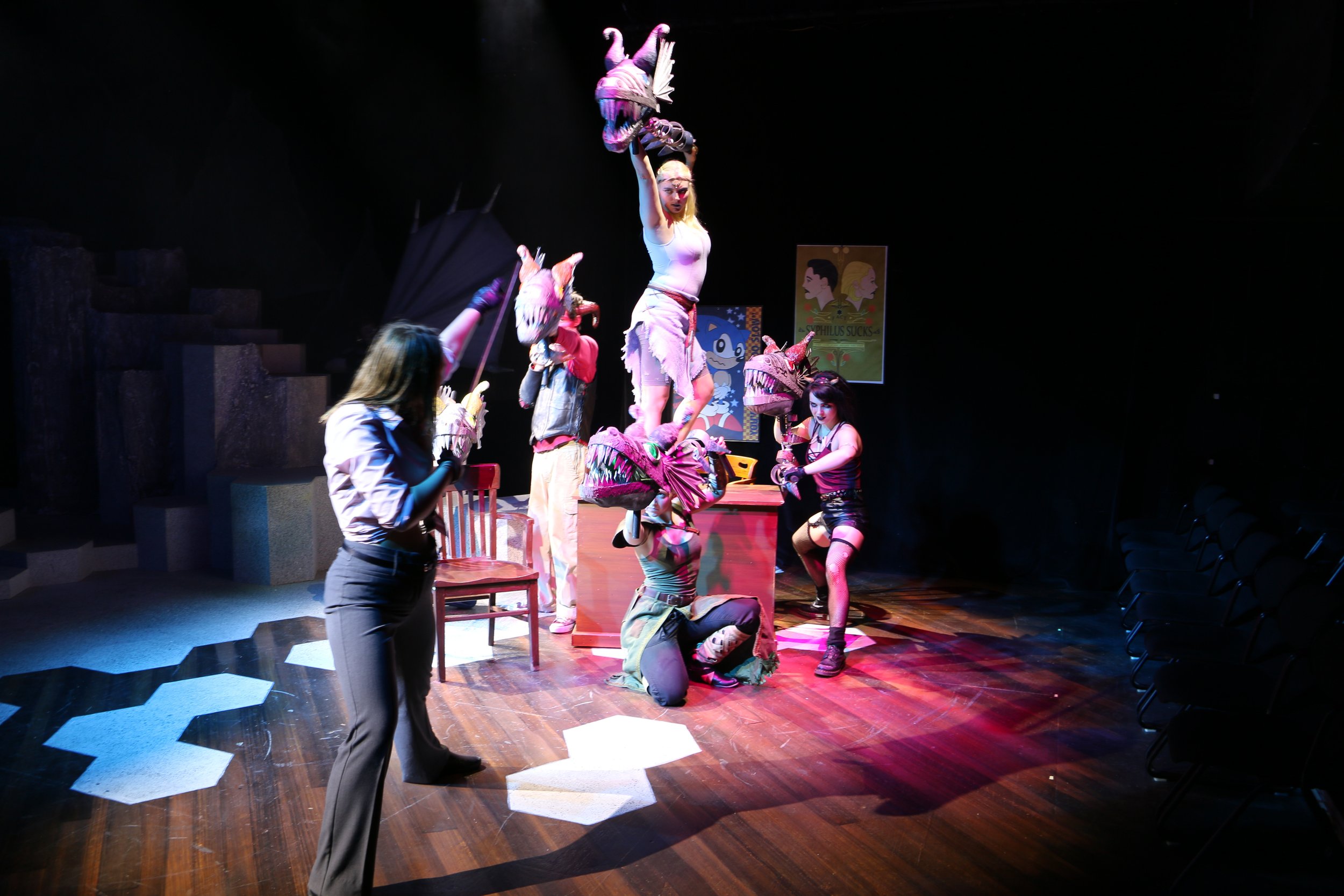
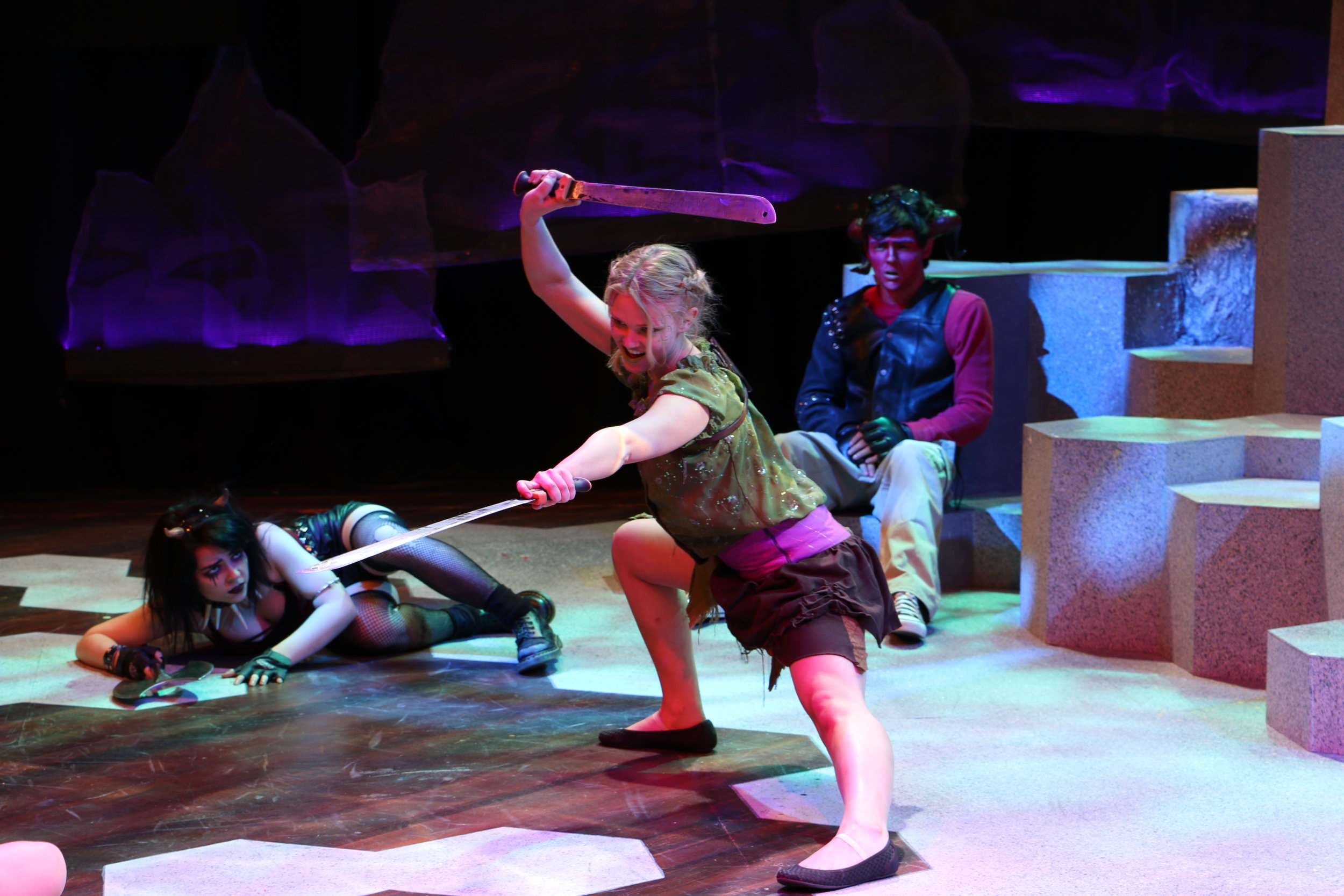
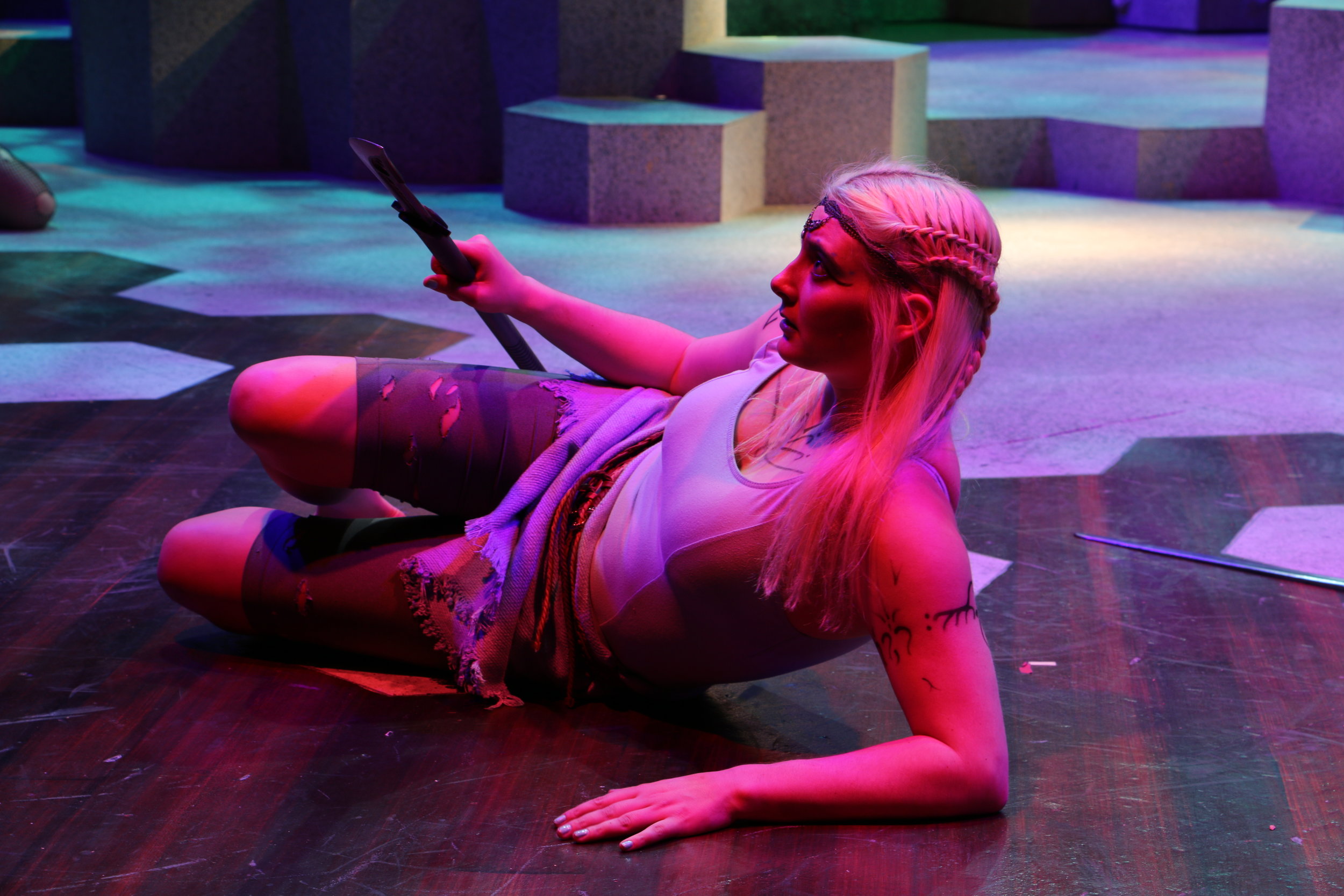
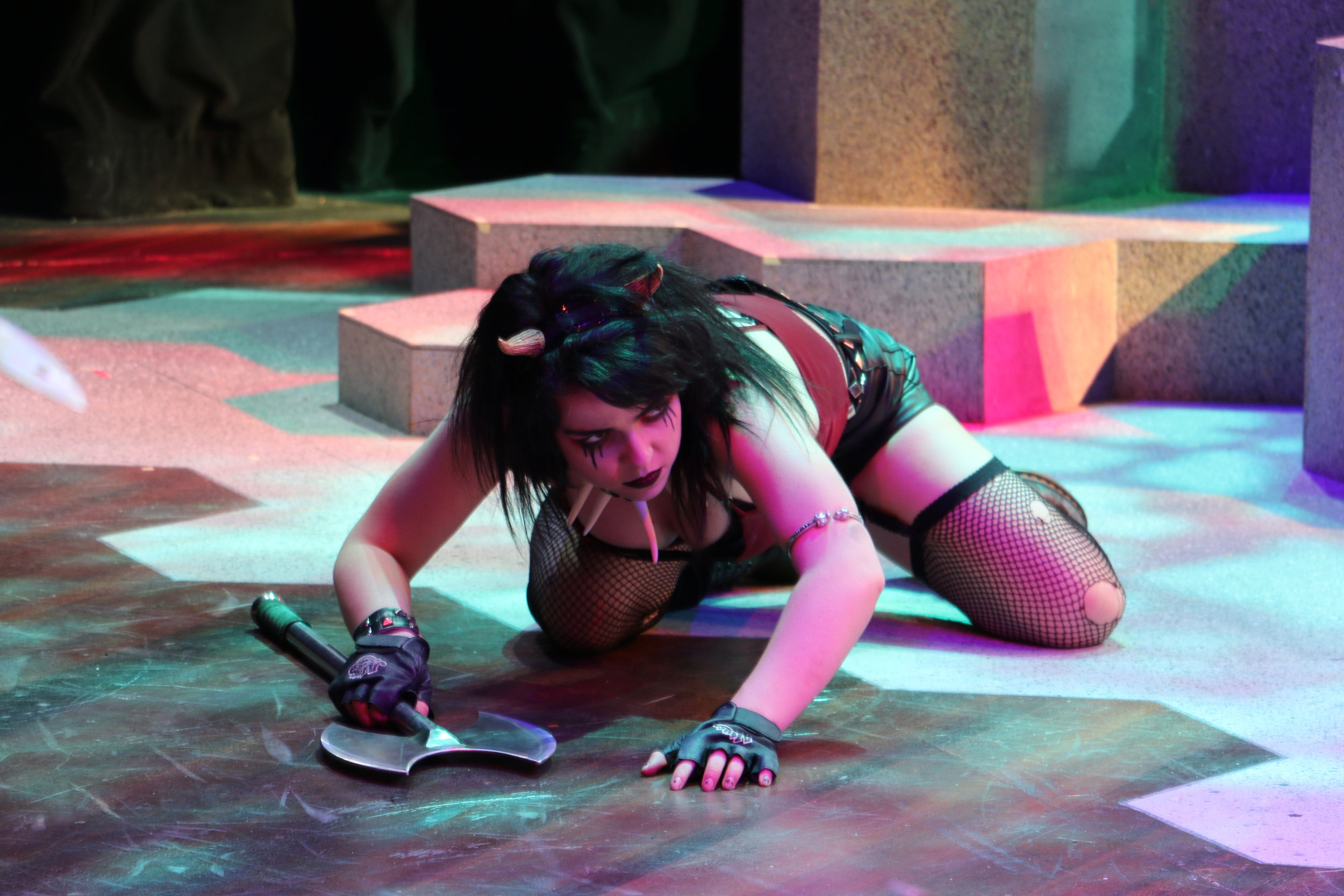
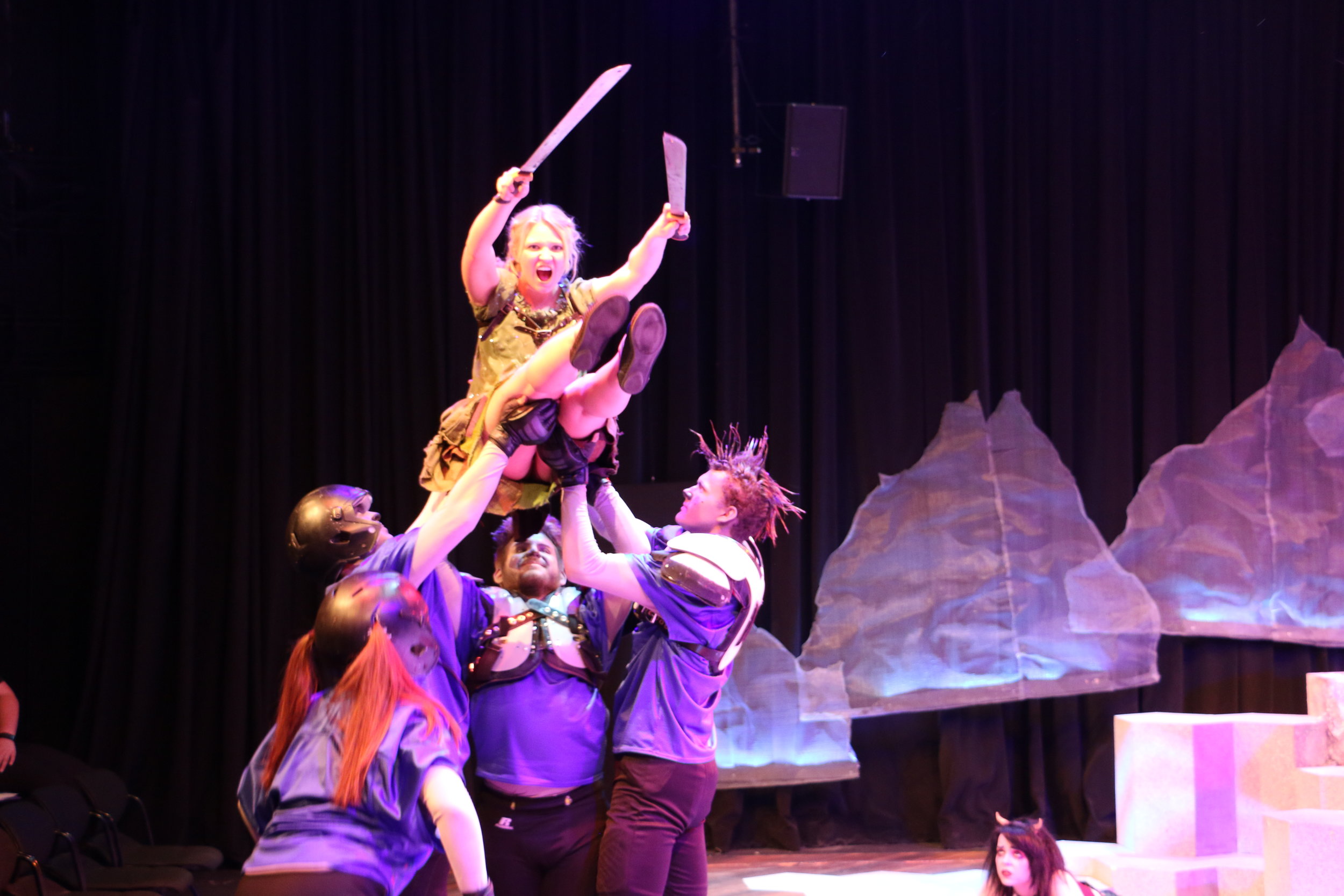
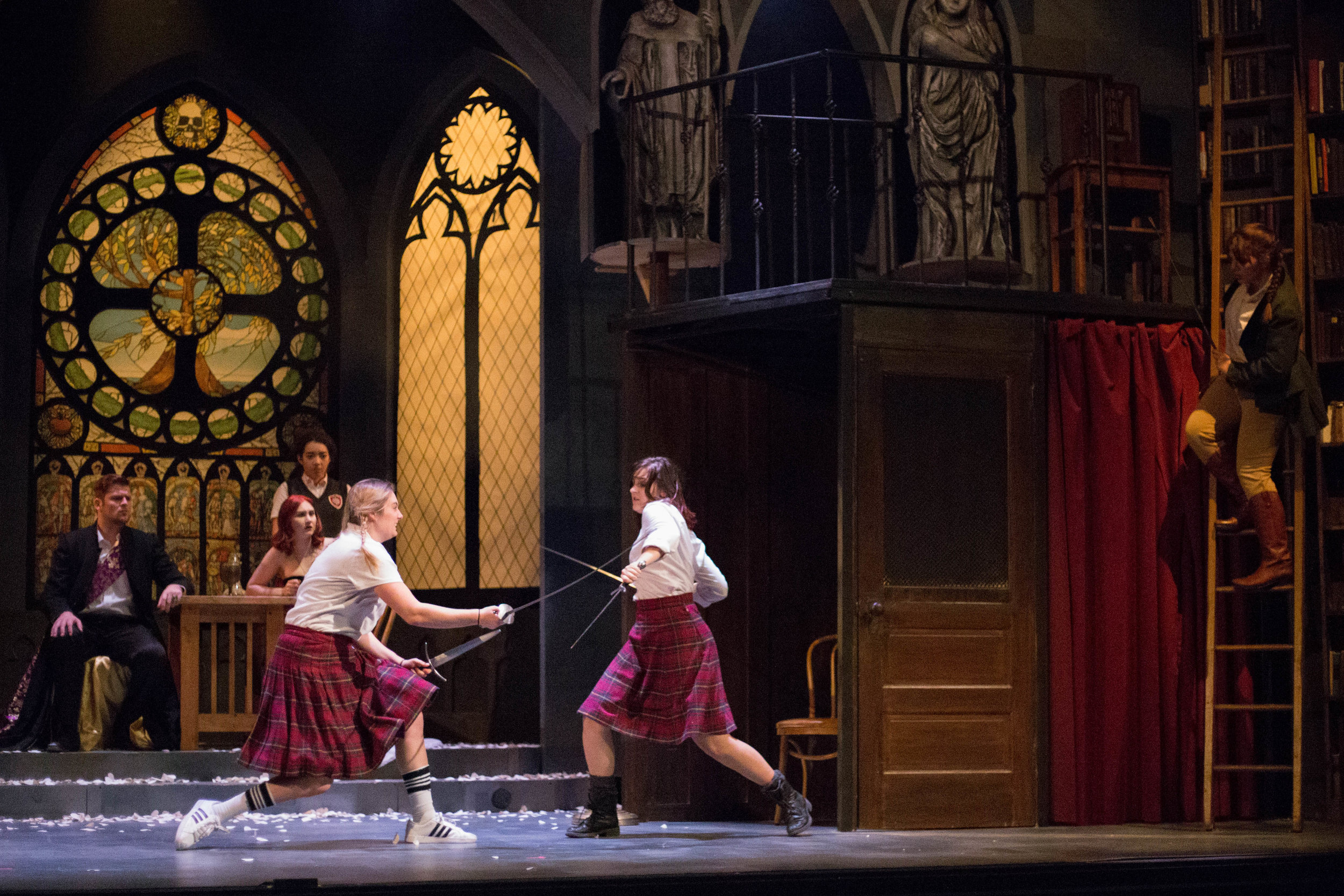
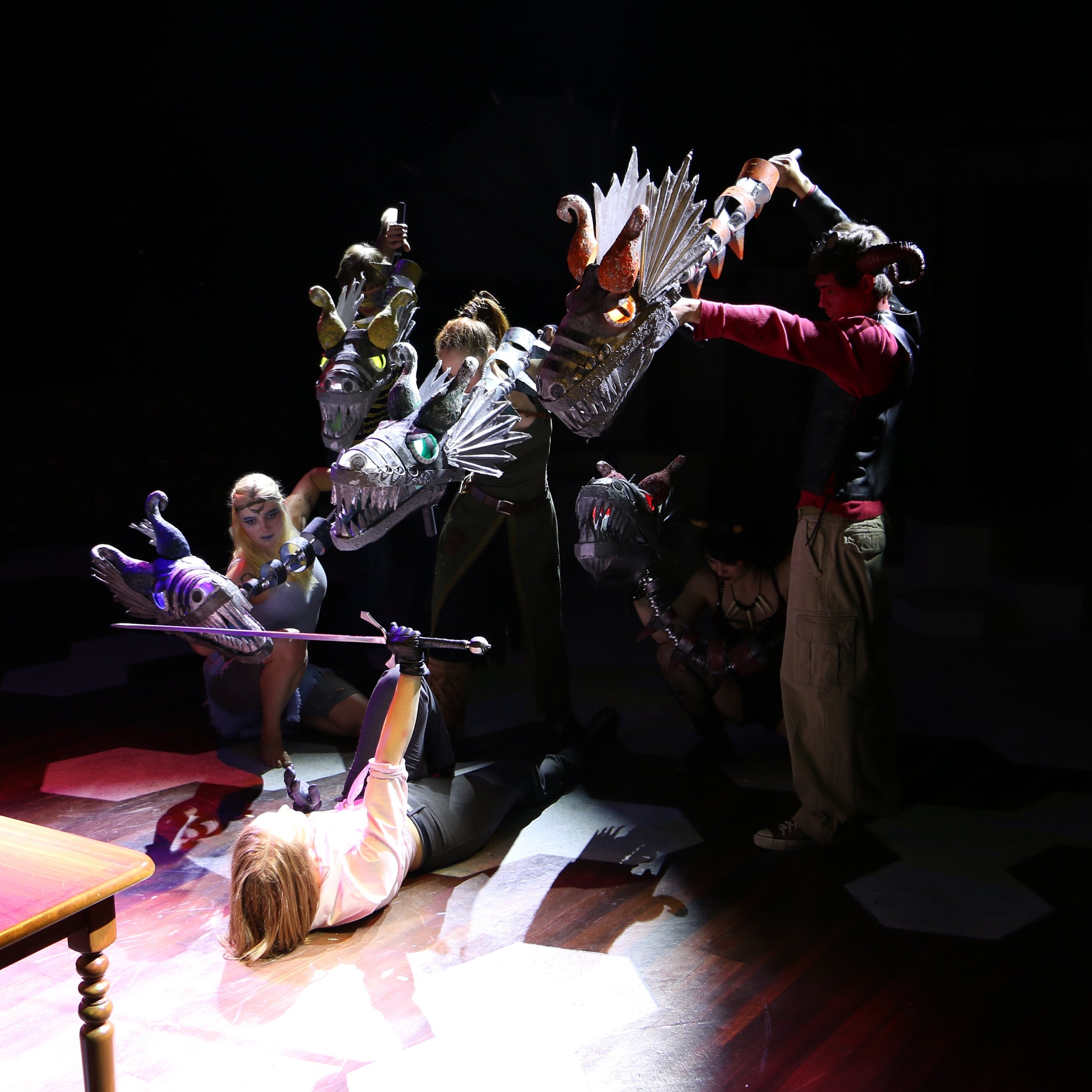
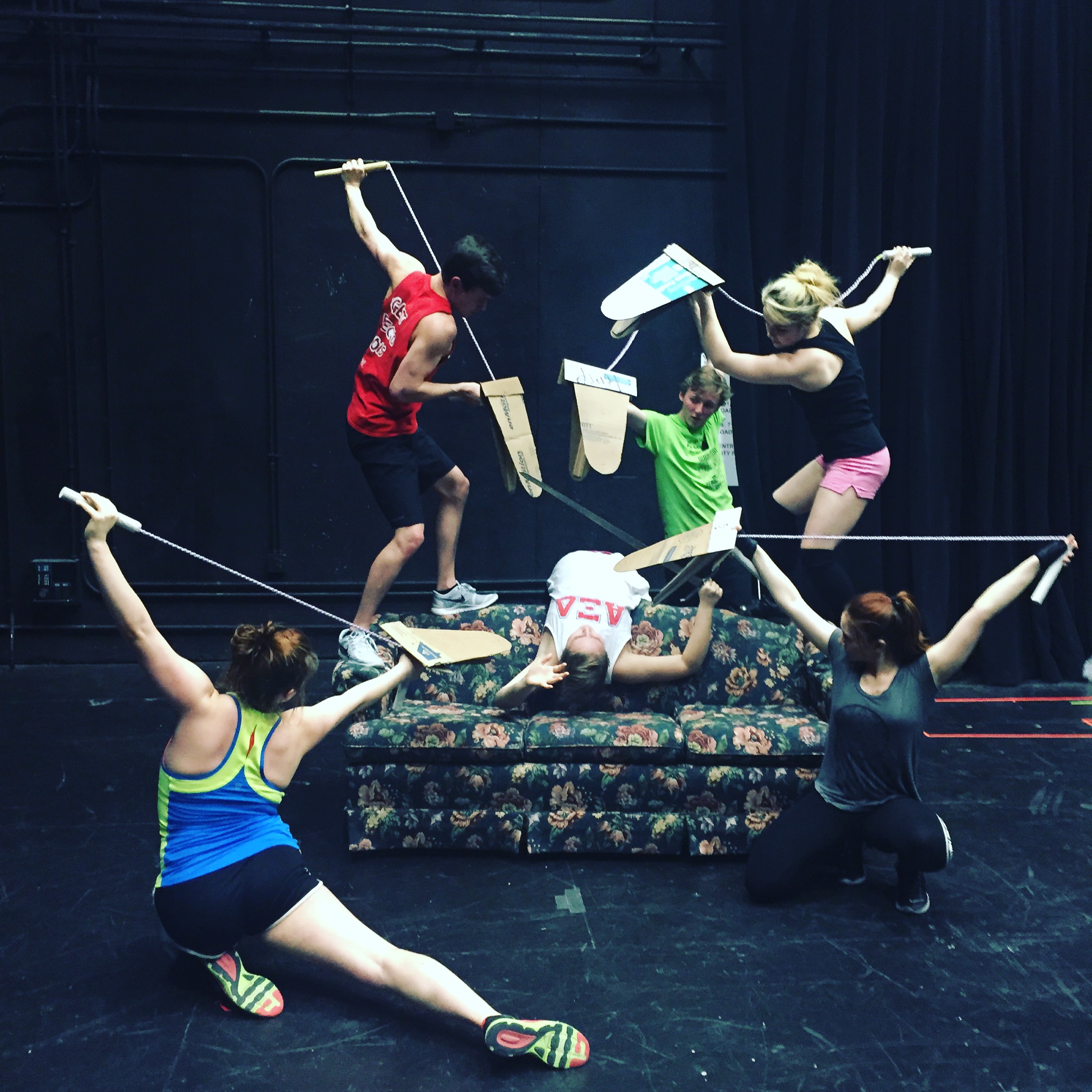
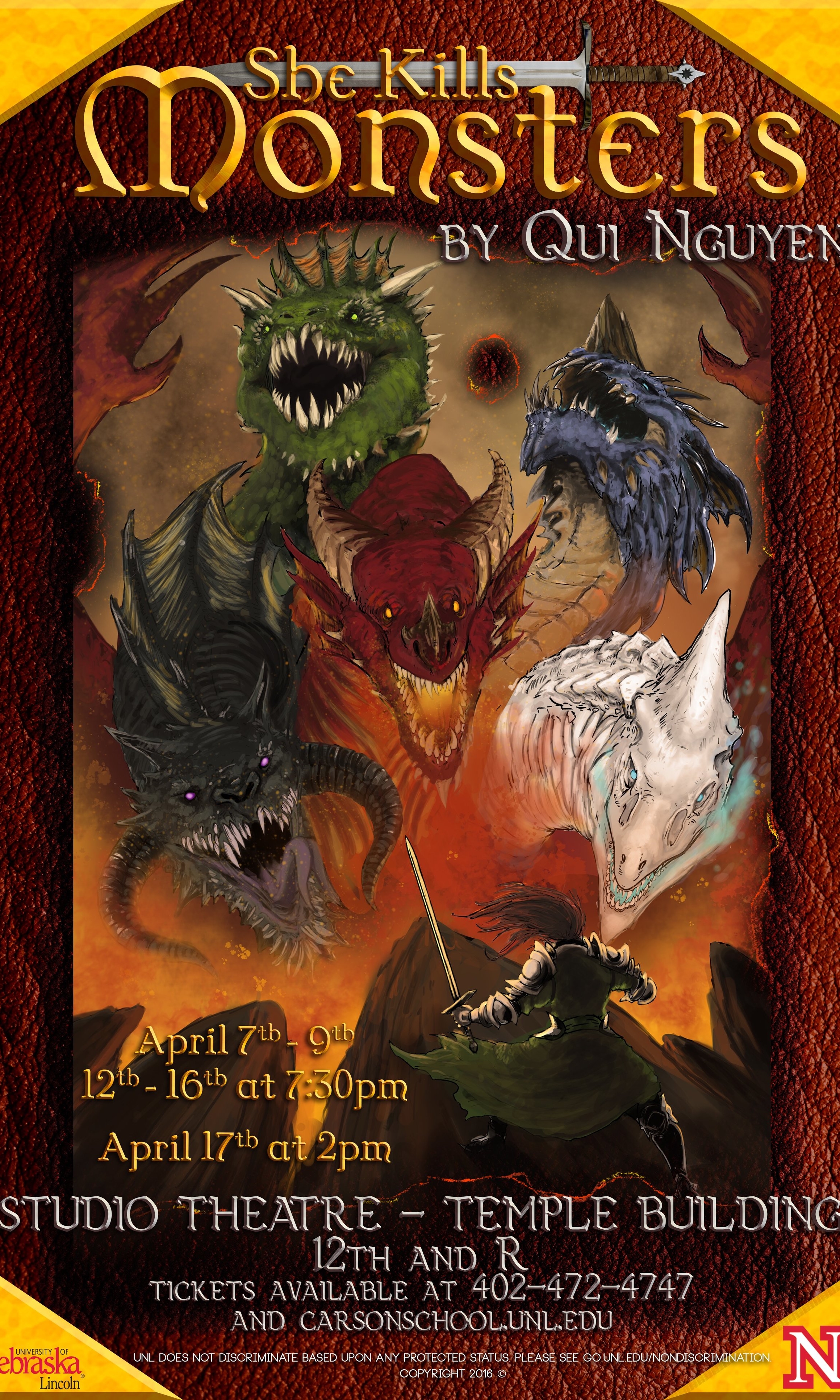
SHE KILLS MONSTERS by Qui Nguyen at the Johnny Carson School of Theatre & Film
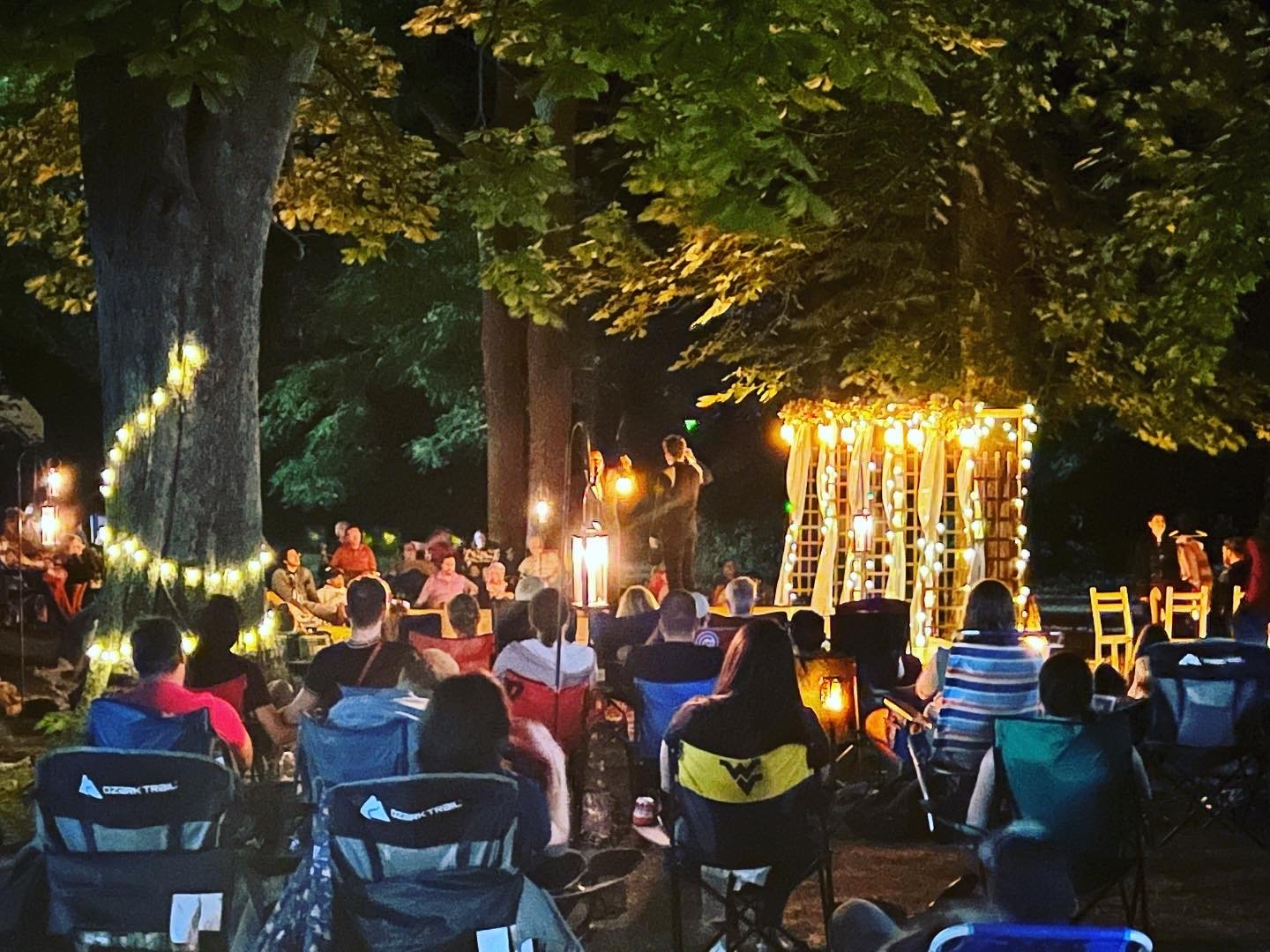
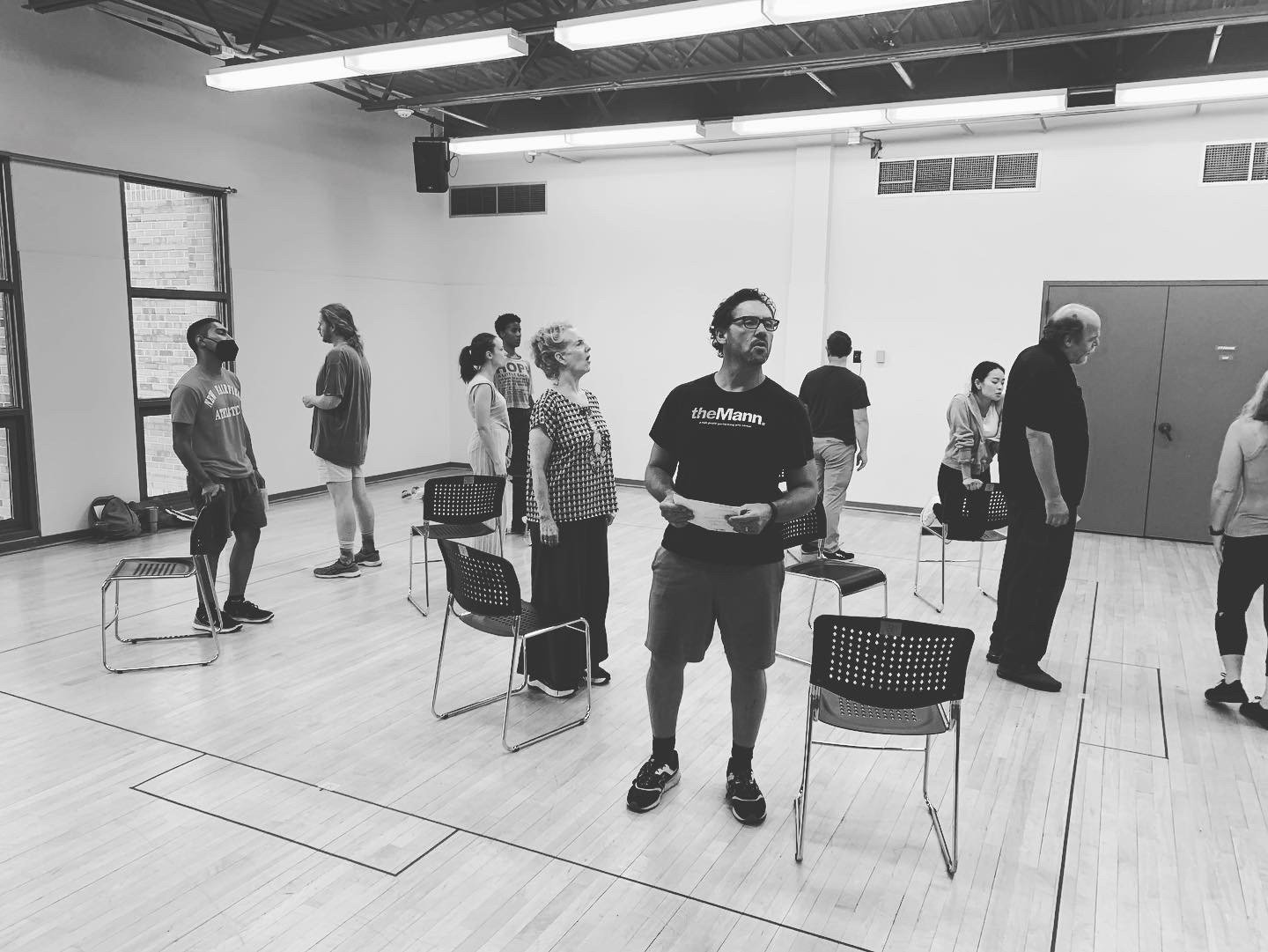
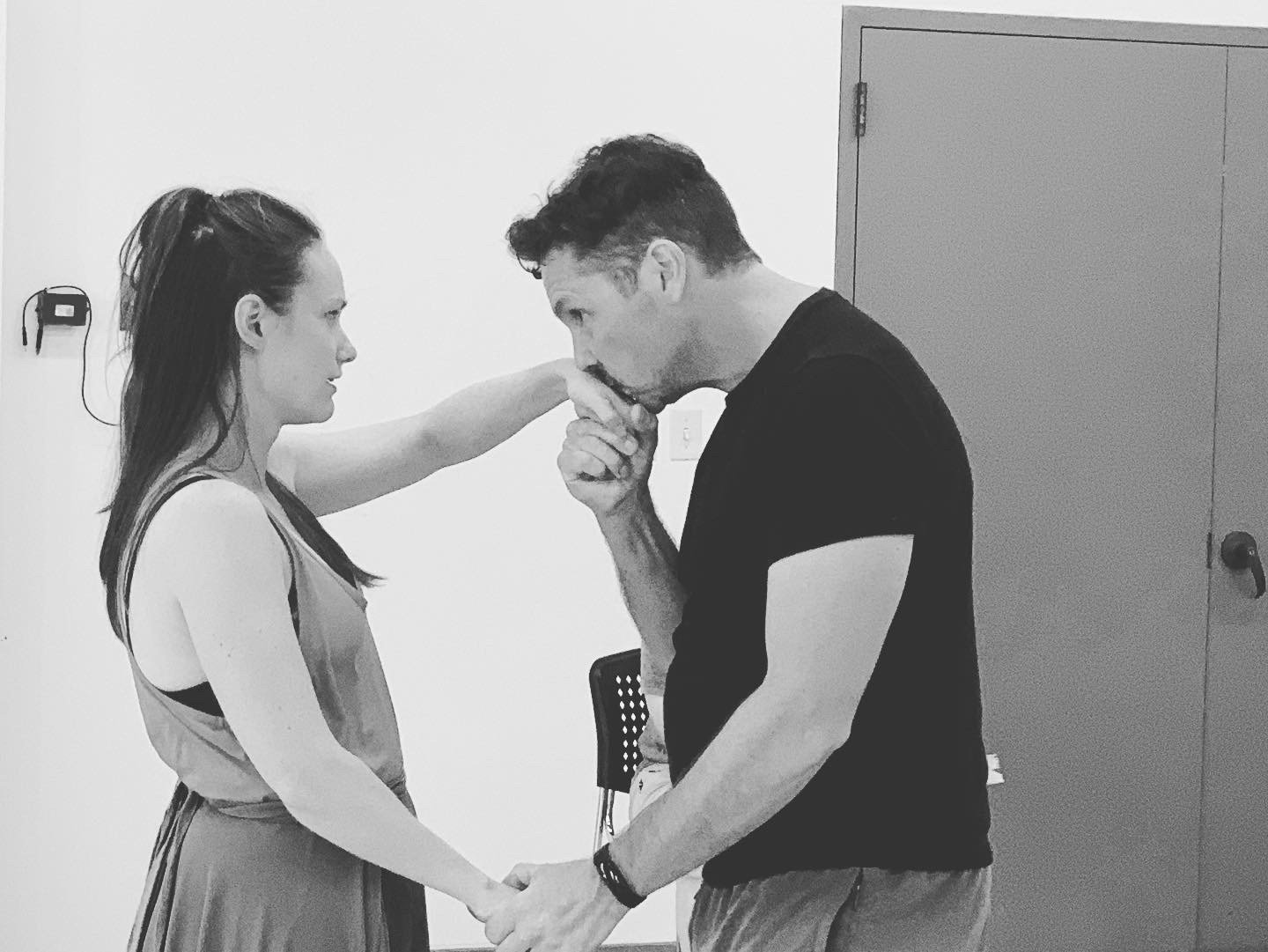
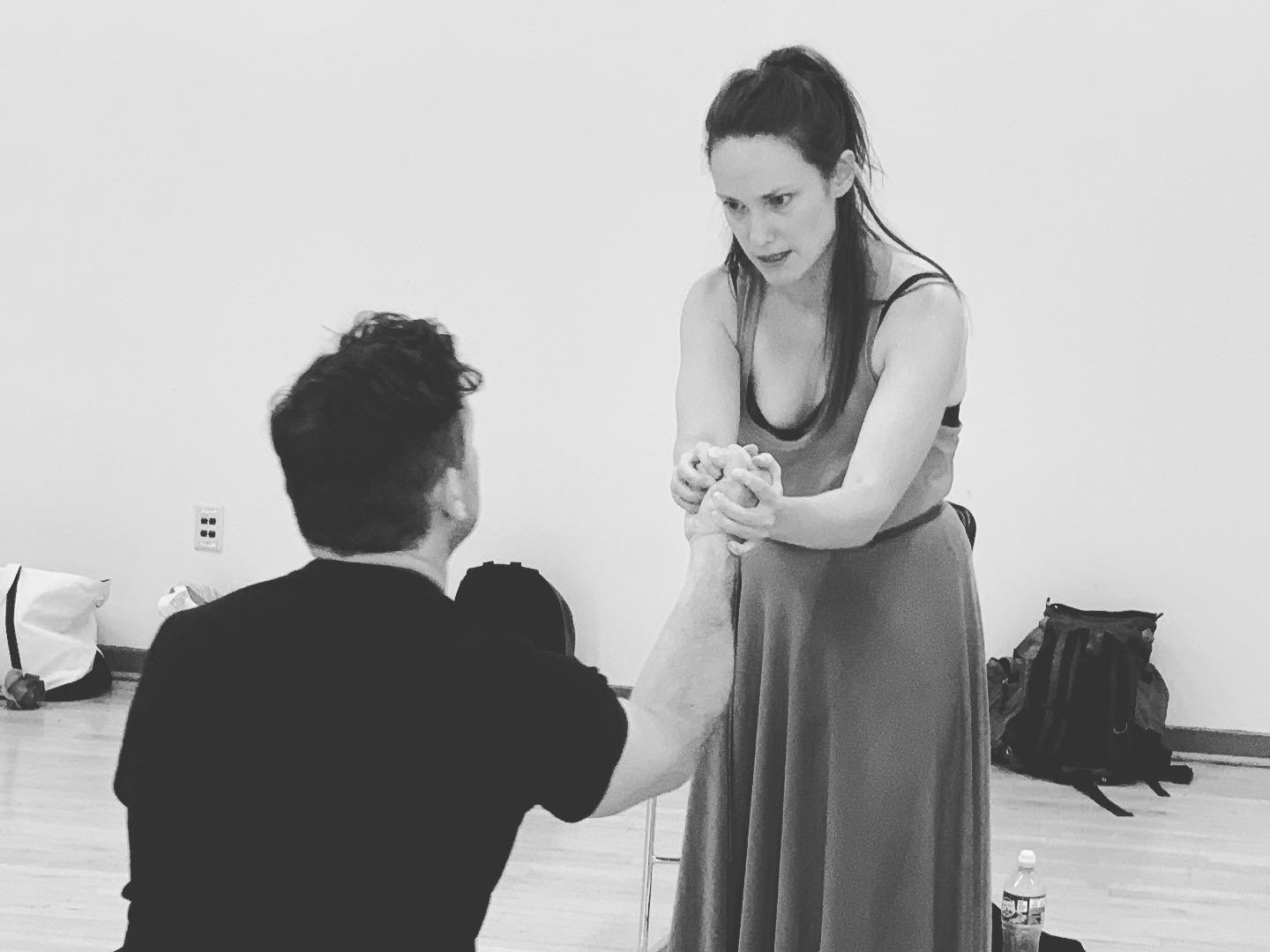
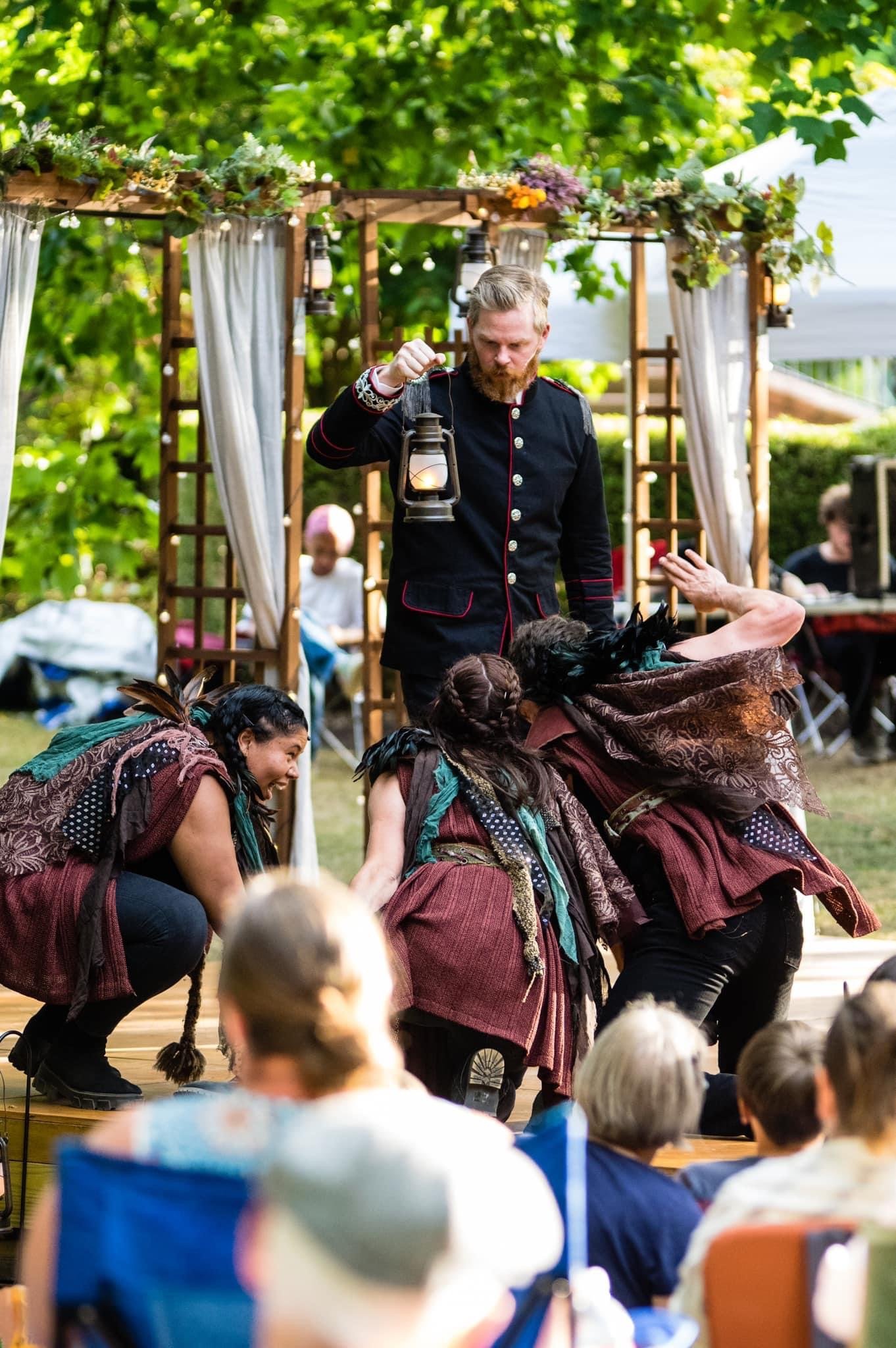
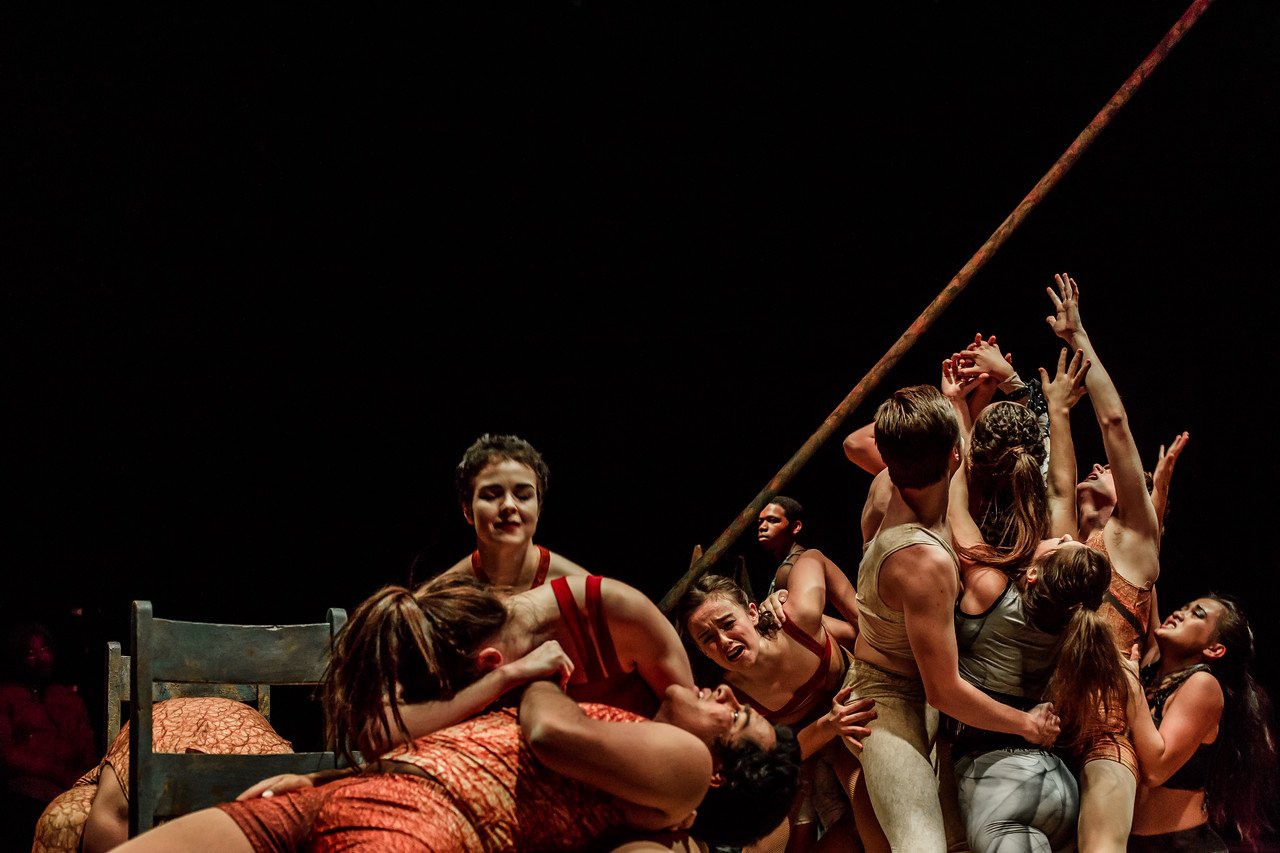
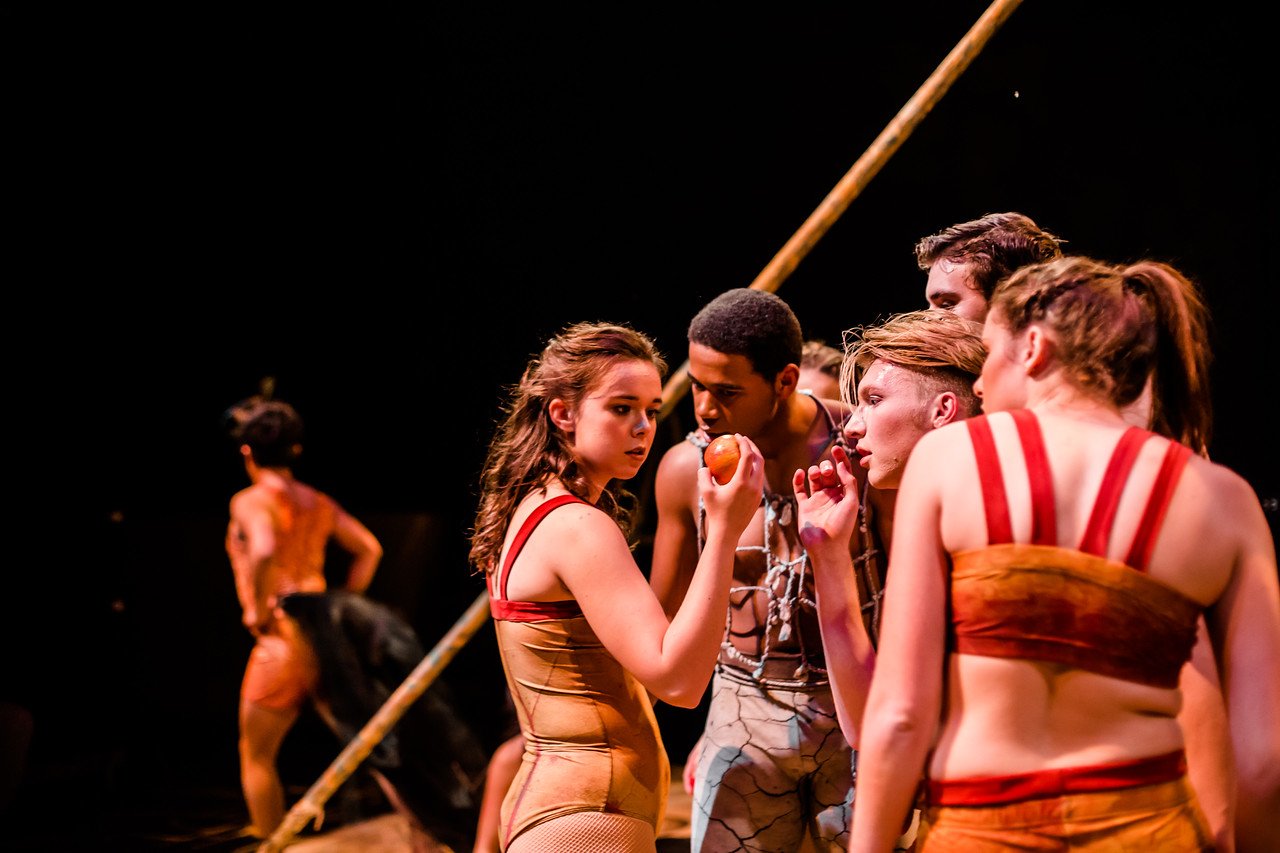
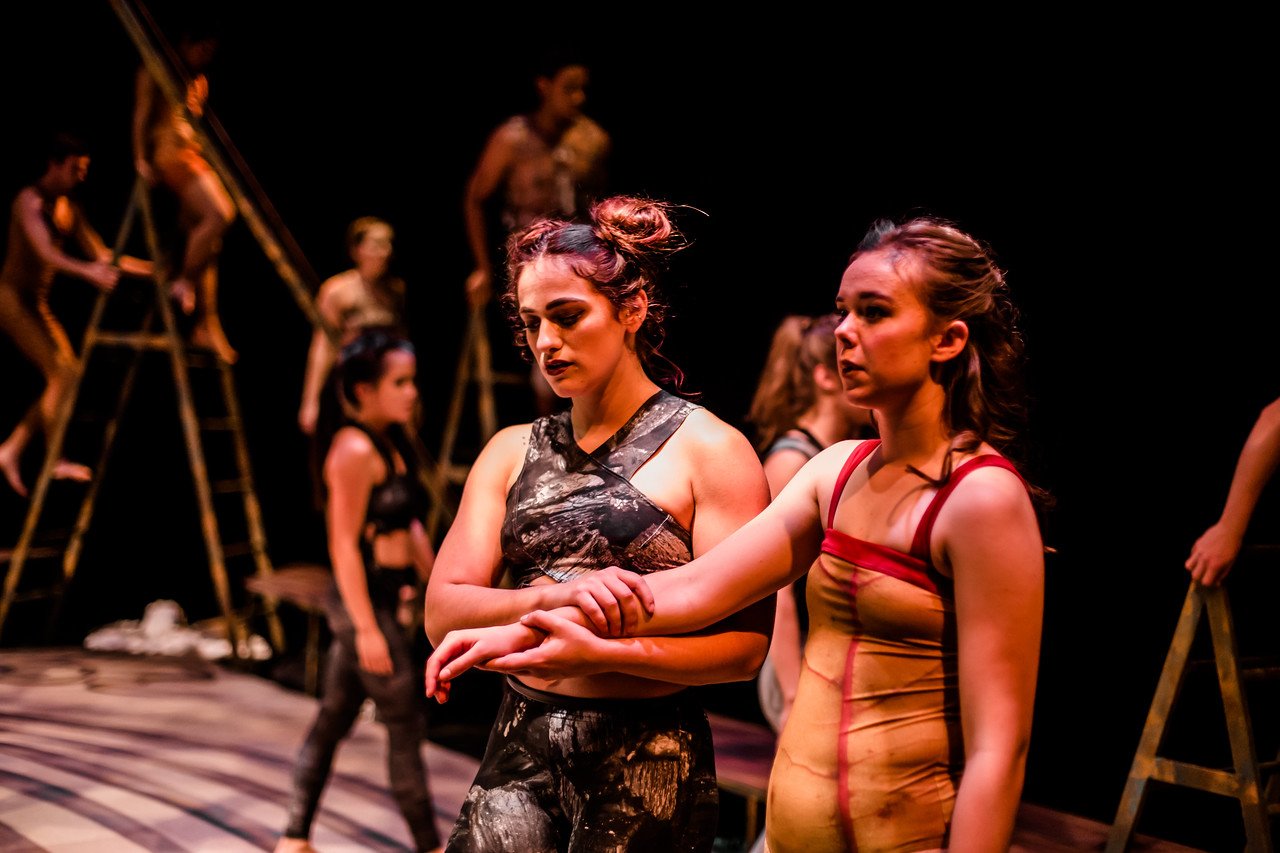
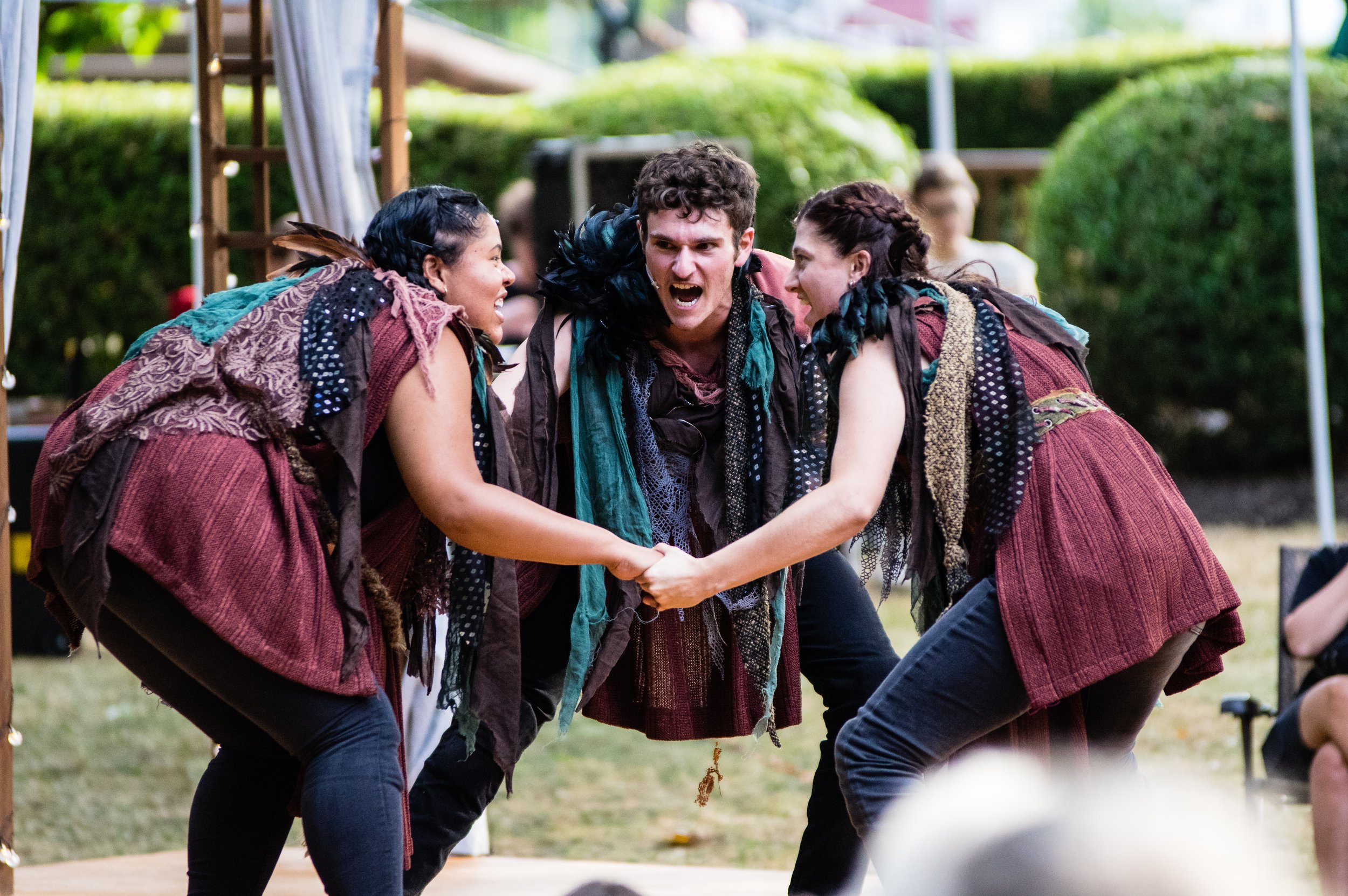
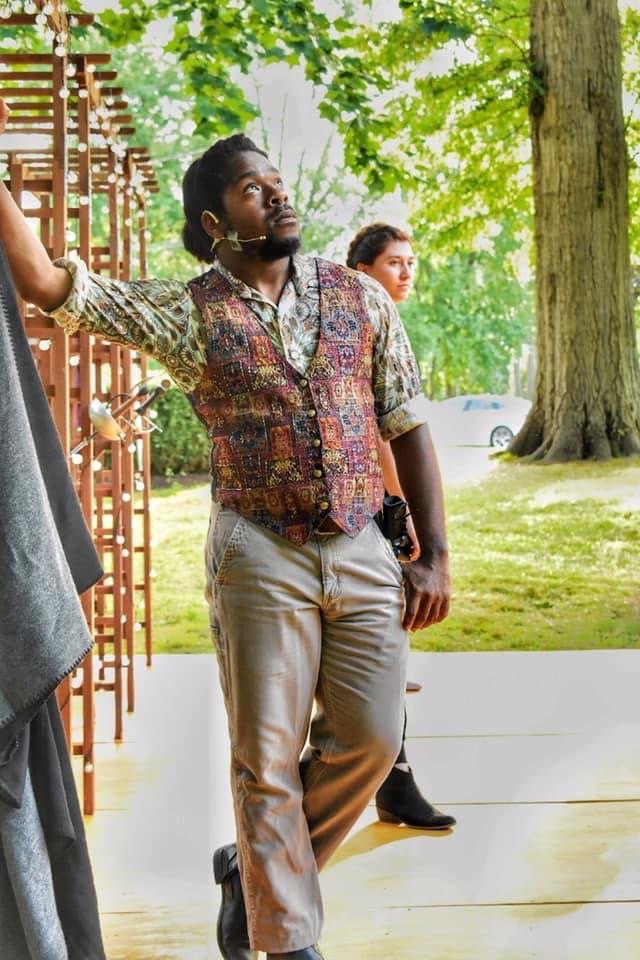
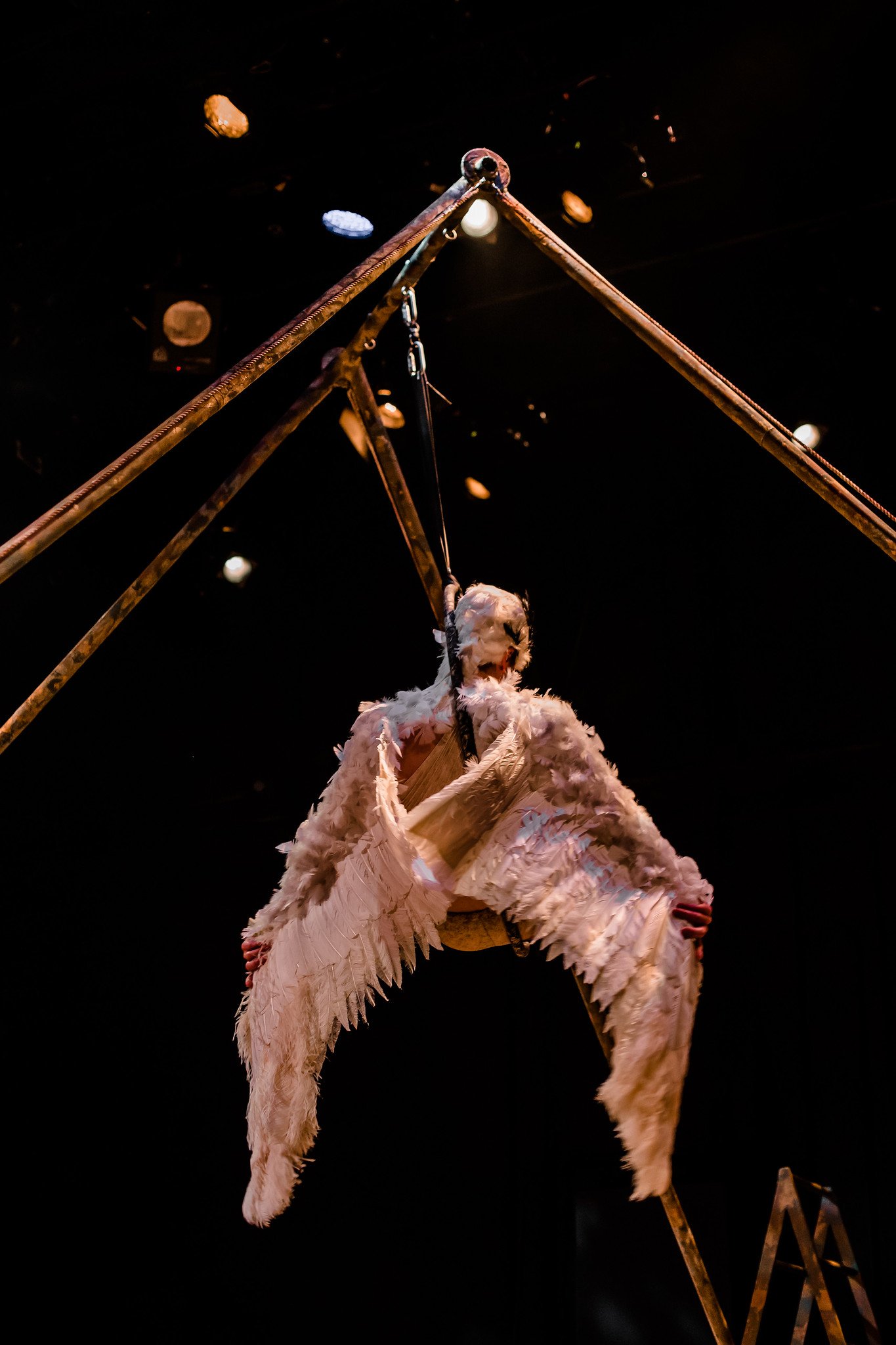
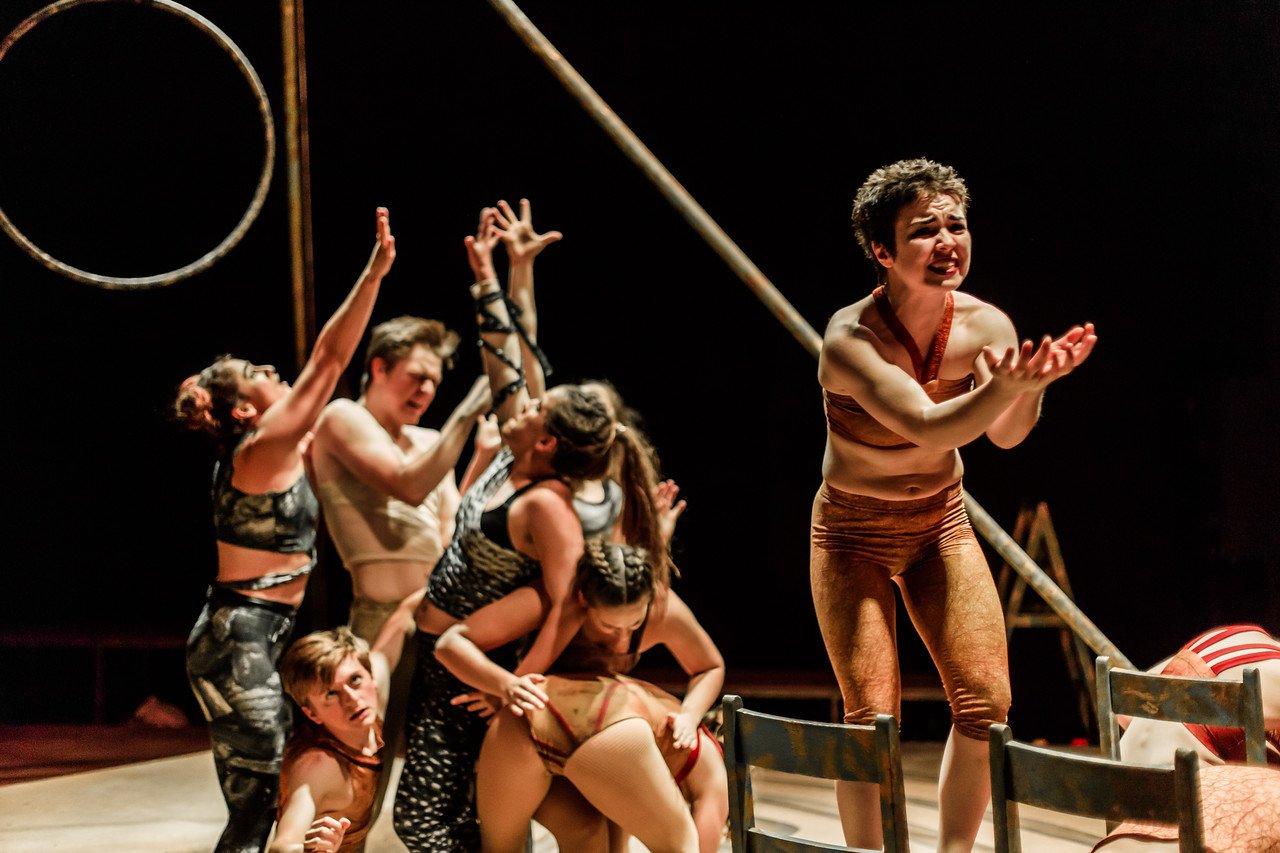
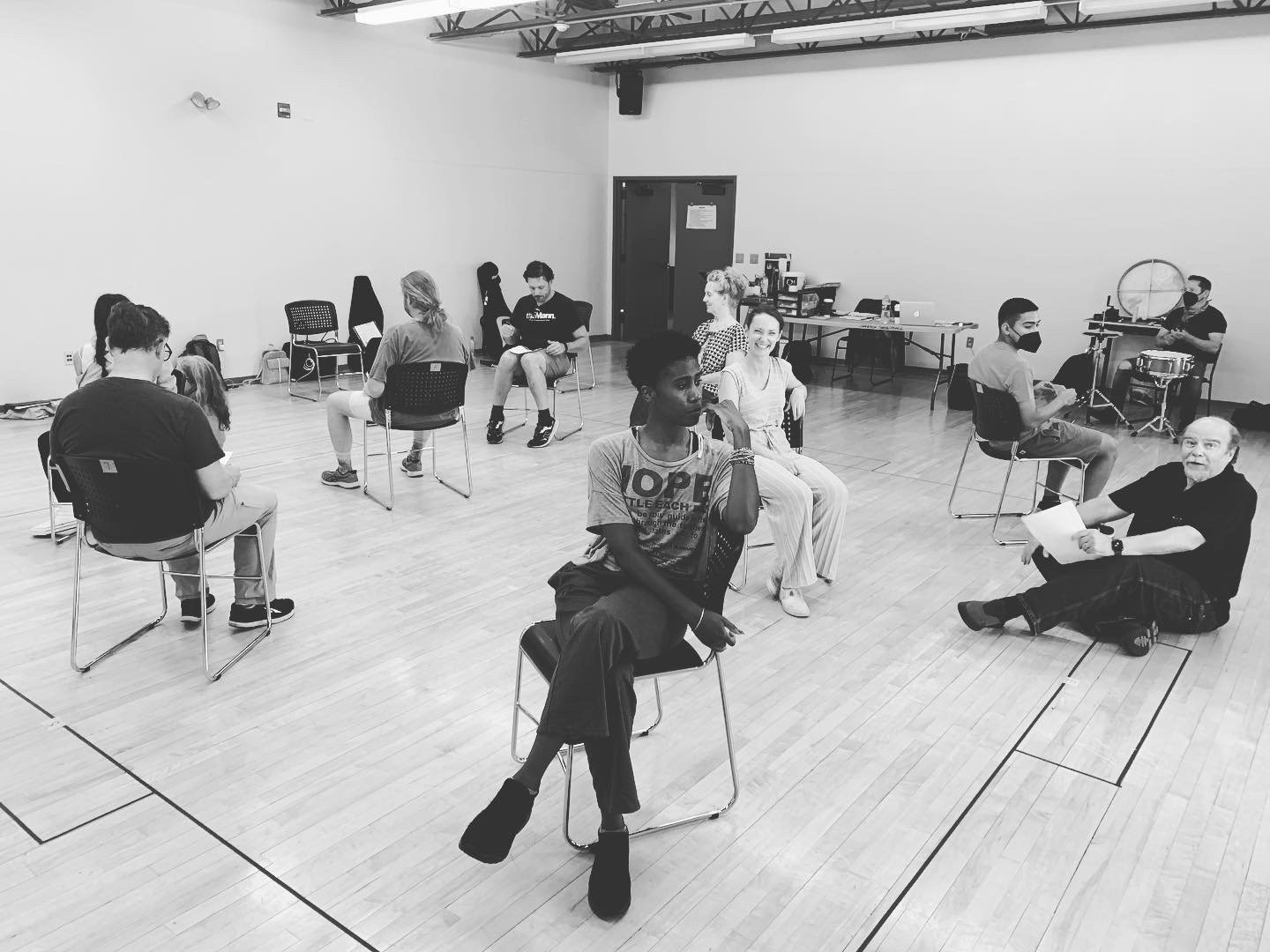
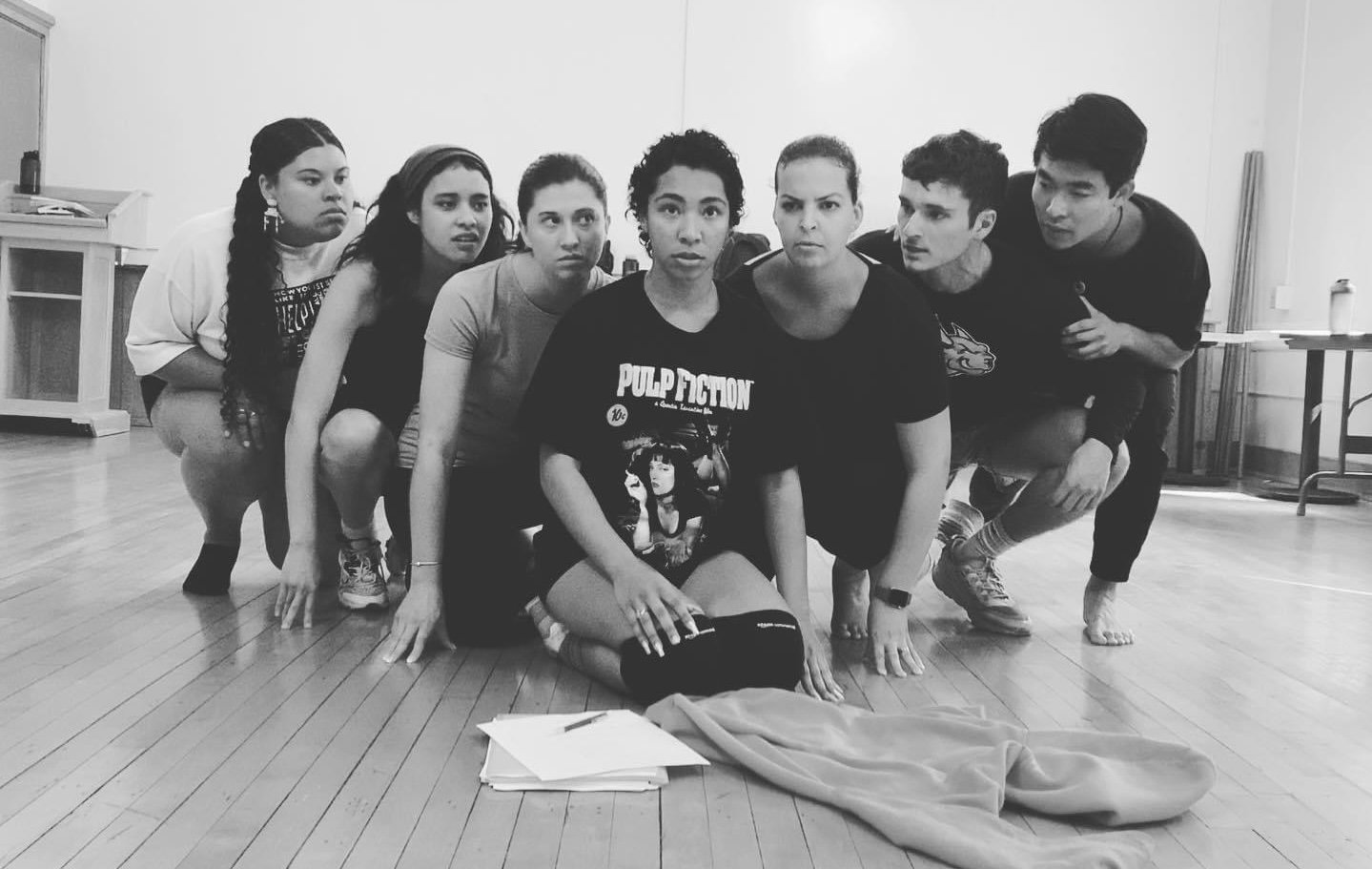
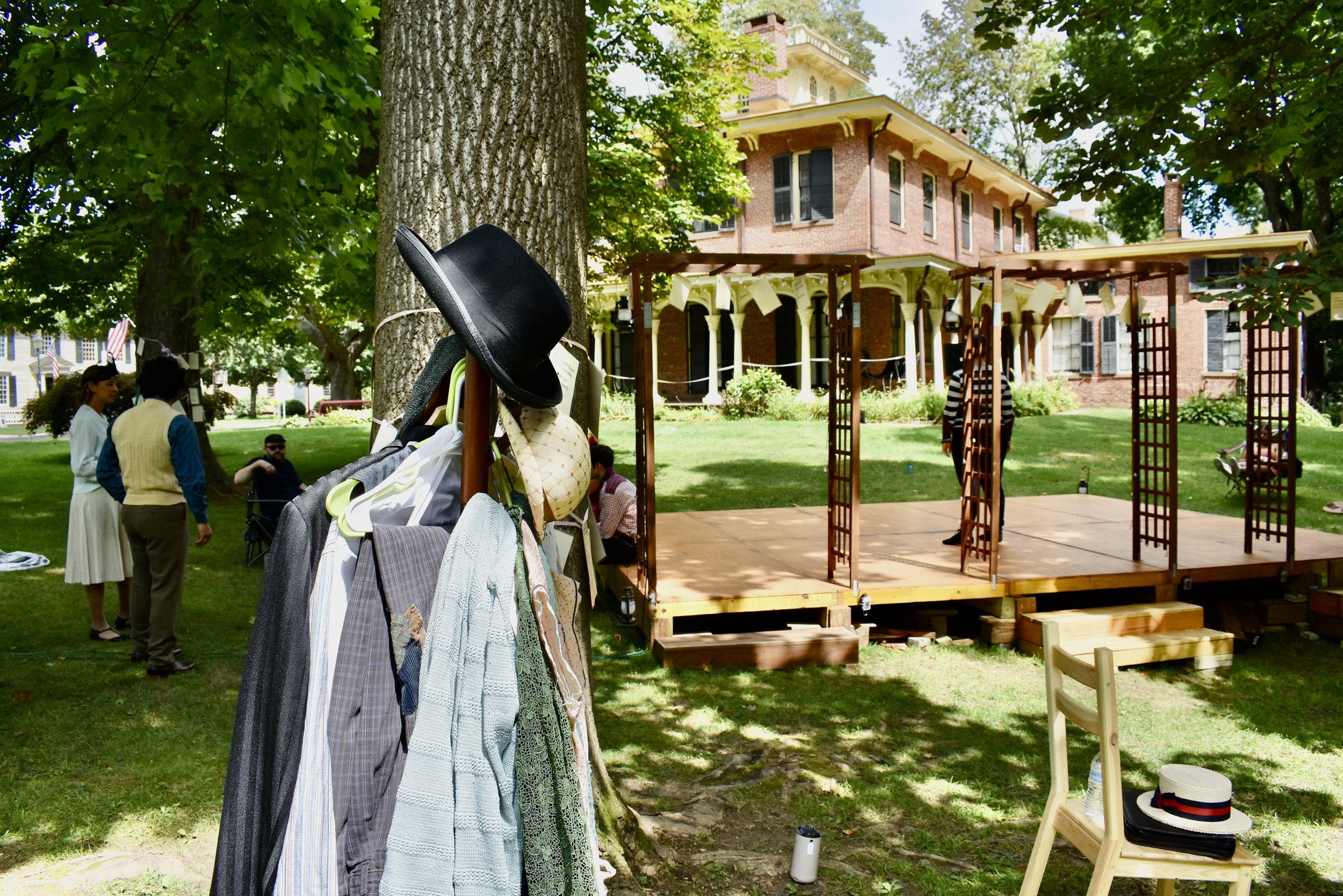
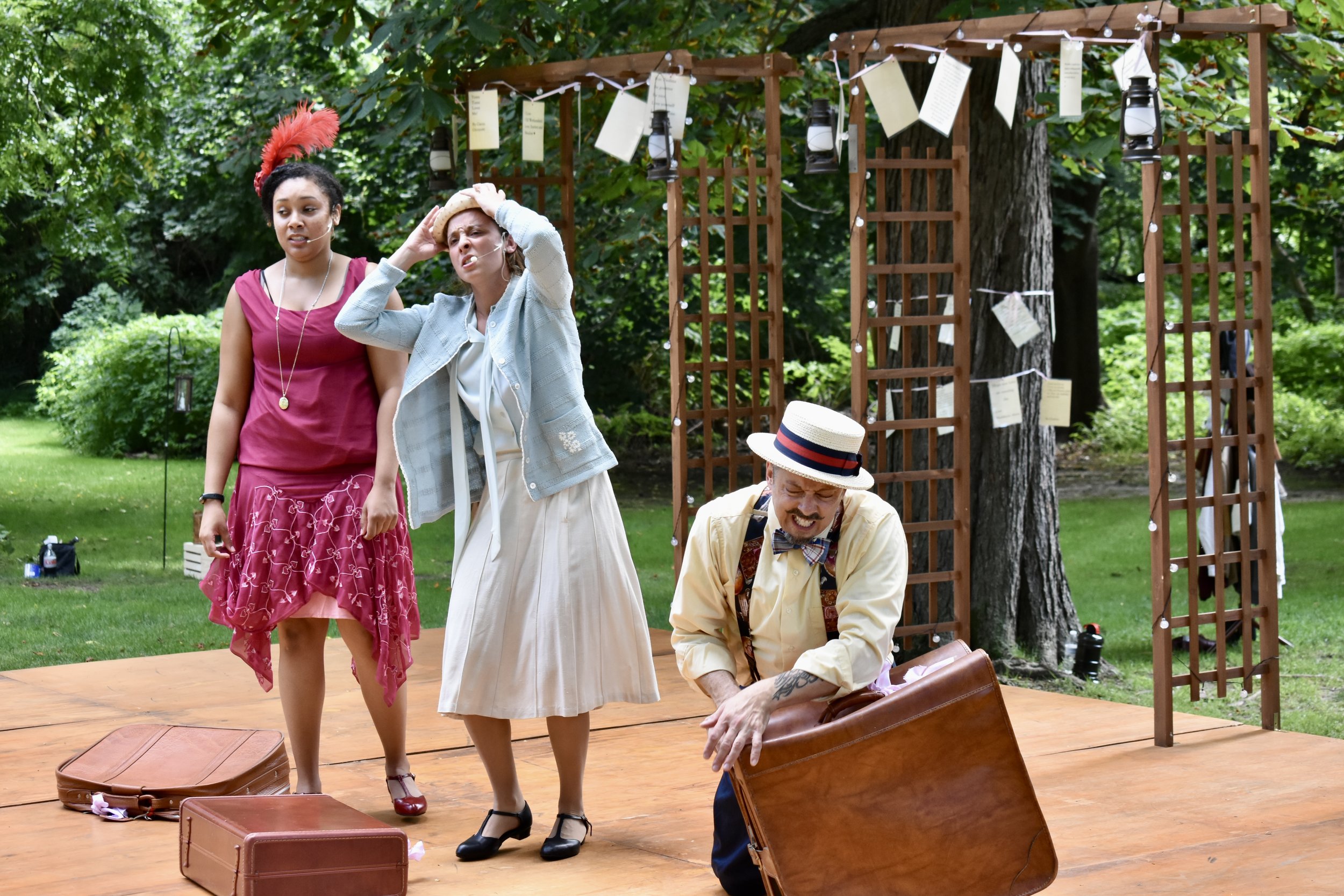
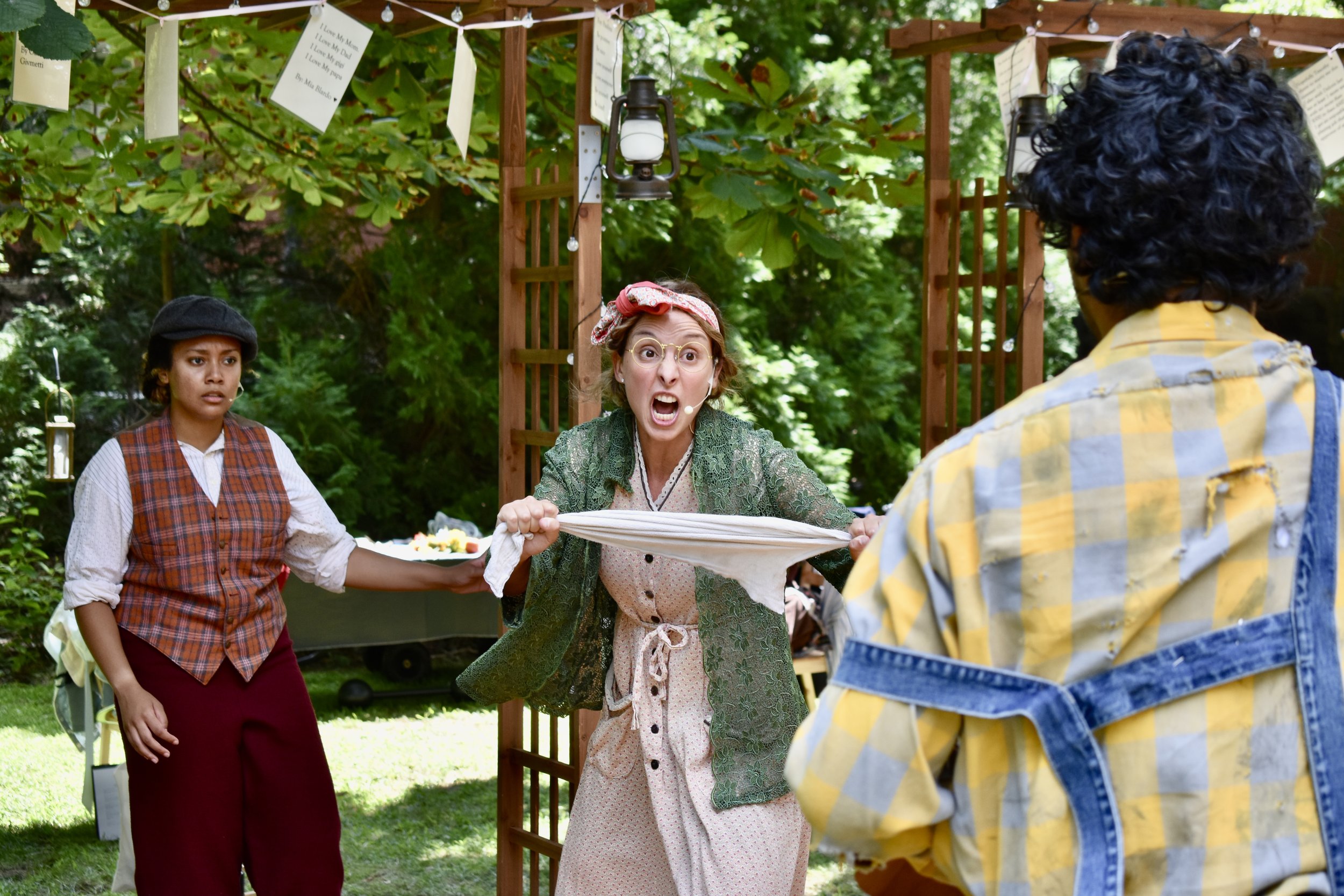
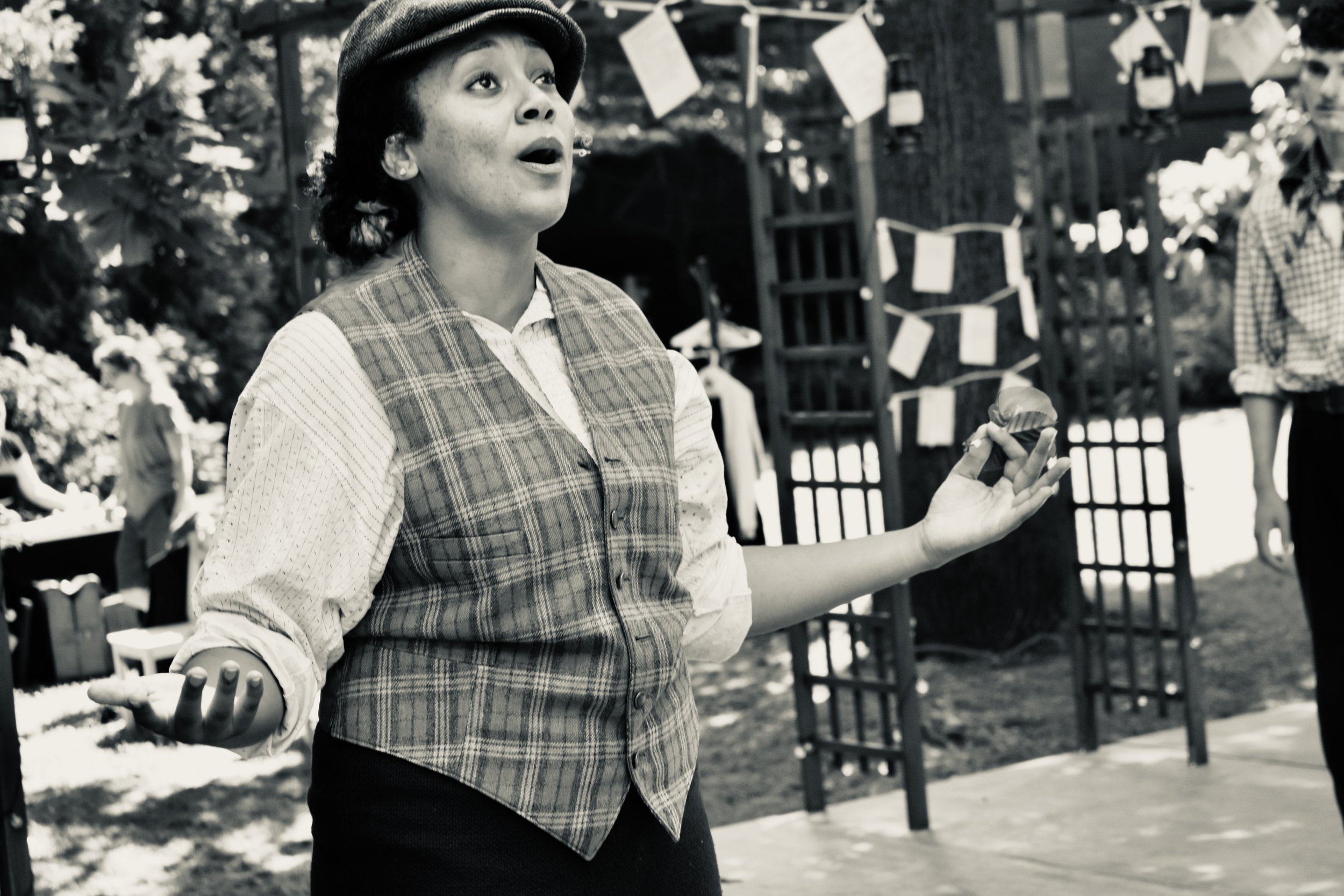
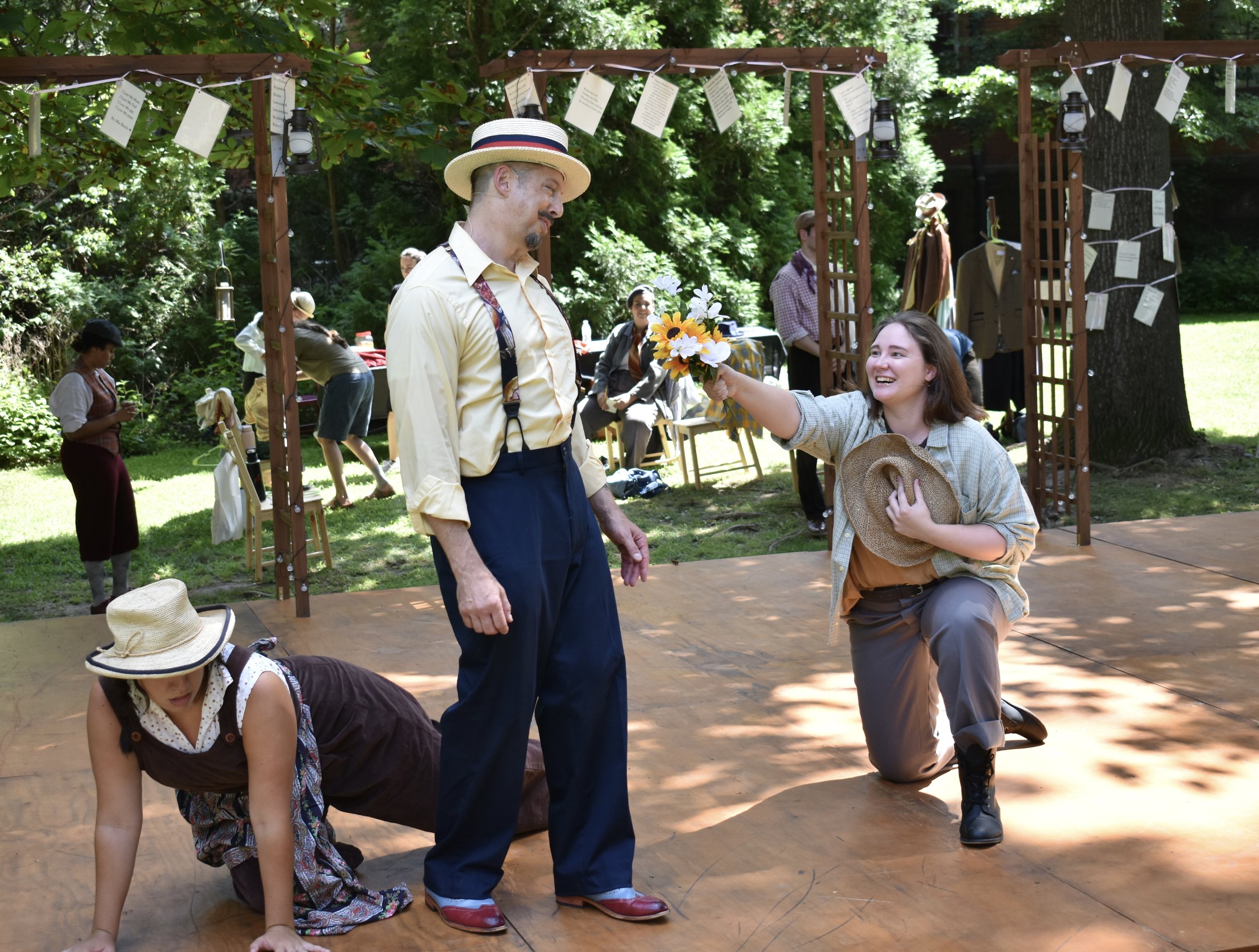
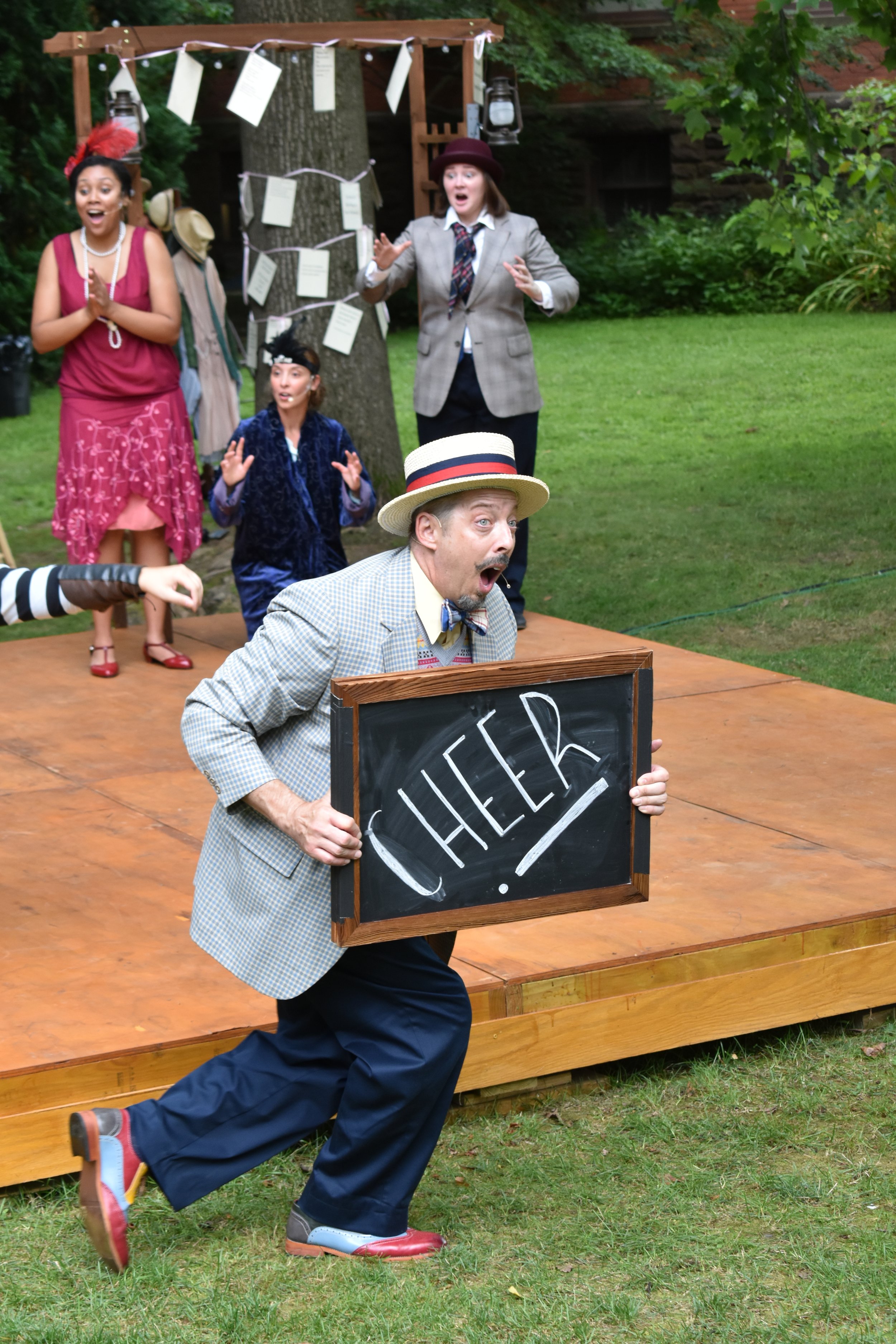
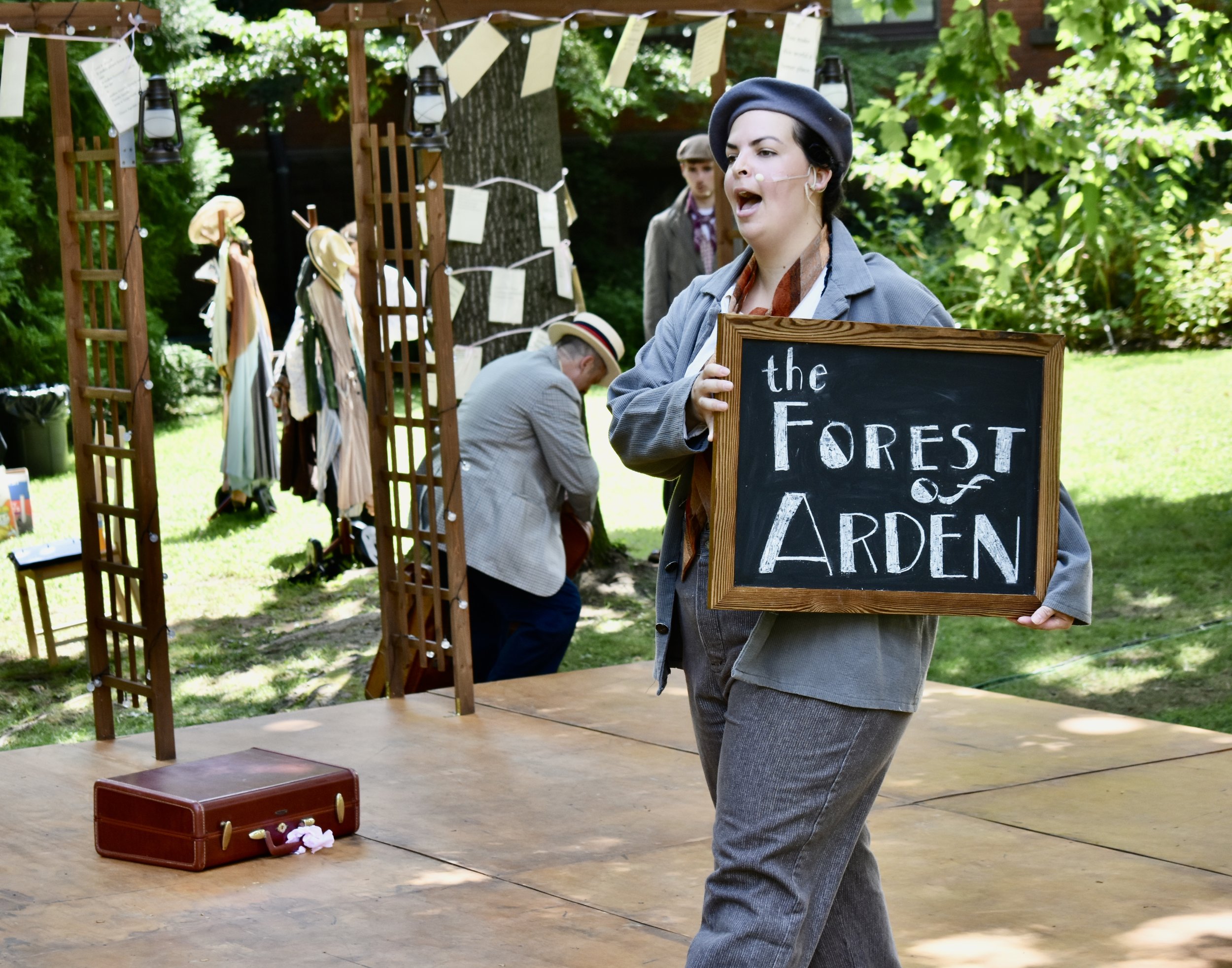

The Witches rehearsing for MACBETH with Time’s Fool Company. Featured Sarah Oschmann, Breauna Jurkowski, Quinn Spivey, and Katrina Guzman watching in the background.
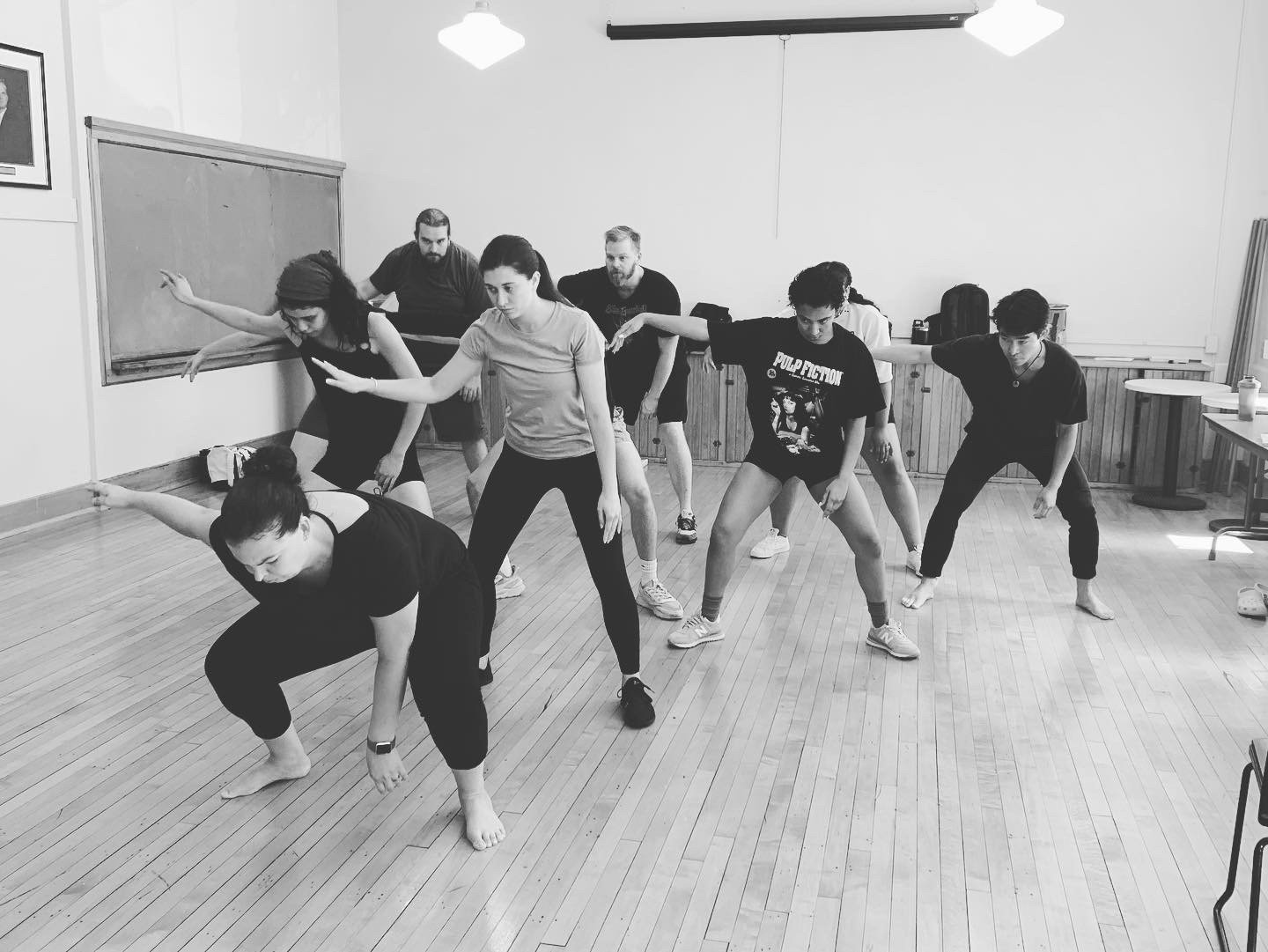
Rehearsal photo from MACBETH with Time’s Fool Company featuring Katrina Guzman, Sarah Oschmann, Andre Chan, Kiera Prusmack, Breauna Jurkowski, Maria Franco, Quinn Spivey, Tim Diebolt, Blake Prentiss

Rehearsal photo from MACBETH with Time’s Fool Company featuring Katrina Guzman, Sarah Oschman, Andre Chan, Kiera Prusmack, Breauna Jurkowski, Maria Franco, Quinn Spivey, Tim Diebolt, Blake Prentiss




![wes 137pssmall[1].JPG](https://images.squarespace-cdn.com/content/v1/582a413b20099eab9d4de7d1/1480458025645-FIJ888HHL9BNXWUZNV6K/wes+137pssmall%5B1%5D.JPG)